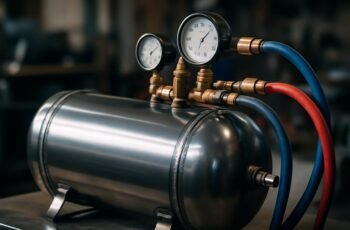
When selecting an oil-free air compressor, understanding the technical nuances and industry standards is vital for ensuring peak performance and compliance. We recognize that choosing the right model involves evaluating multiple factors—such as type, capacity, and maintenance—while balancing cost and reliability. As we explore these aspects together, you’ll discover how to align your specific application needs with the most suitable, cost-effective solution, making it necessary to examine each detail carefully before making a decision.
Key Takeaways
- Assess your airflow requirements and choose the compressor type (reciprocating, rotary screw, centrifugal) accordingly.
- Prioritize low noise levels, energy efficiency, and ease of maintenance for long-term operational savings.
- Ensure the compressor meets industry standards for air purity and hygiene, especially for food, medical, or electronics use.
- Compare initial costs with total ownership expenses, including maintenance, energy consumption, and potential downtime.
- Select reputable brands with reliable after-sales support to guarantee durability and compliance with safety regulations.
What Are Oil-Free Air Compressors and How Do They Work?
Oil-free air compressors are designed to generate compressed air without the use of oil lubrication, making them ideal for applications requiring contaminant-free air. Their environmental impact is particularly lower, as they eliminate oil emissions and reduce disposal concerns. Historically, the development of oil-free technology evolved from the need for cleaner, more sustainable compressed air sources, especially in sensitive industries. These compressors utilize alternative sealing and compression methods—such as piston or diaphragm designs—that do not rely on oil to lubricate moving parts. This evolution reflects a shift toward environmentally conscious engineering, emphasizing reduced contamination and emissions. As a result, oil-free compressors are increasingly preferred for medical, food, and electronics applications, where air purity and environmental considerations are paramount.
Key Factors to Consider When Choosing an Oil-Free Air Compressor
When selecting an oil-free air compressor, evaluating noise levels is essential to guarantee compatibility with your work environment. Additionally, understanding maintenance requirements helps determine long-term operational costs and reliability. By analyzing these factors, we can identify the most suitable compressor for your specific needs.
Noise Level Considerations
Have you considered how noise levels might impact your workspace or operation environment? Excessive noise can diminish productivity and compromise safety. When evaluating oil-free air compressors, focus on sound insulation features designed for noise reduction. Critical factors include:
- Decibel Ratings: Select models with lower decibel levels; ideal compressors operate below 70 dB for minimal disturbance.
- Sound Insulation Design: Opt for units with built-in soundproof enclosures or sound-absorbing materials to enhance noise reduction.
- Operational Environment: Consider the compressor’s placement; installing it in sound-insulated rooms or using barriers can further mitigate noise impact.
Prioritizing these aspects guarantees a quieter workspace, promoting safety, comfort, and efficiency through effective noise level management.
Maintenance Requirements
Maintenance requirements considerably influence the long-term performance and operational costs of an air compressor. Regular upkeep, such as oil change and filter replacement, guarantees peak efficiency and longevity. Neglecting these tasks can lead to increased wear, higher energy consumption, and costly repairs. Key maintenance activities include monitoring oil levels, replacing filters at recommended intervals, and inspecting components for wear. To visualize, consider the following:
| Maintenance Aspect | Impact on Performance |
|---|---|
| Oil Change | Prevents internal wear, maintains lubrication |
| Filter Replacement | Ensures clean airflow, reduces contamination |
| Inspection | Detects early signs of component fatigue |
| Scheduled Service | Maintains compressor efficiency over time |
Adhering to a strict maintenance schedule minimizes downtime and maximizes reliability.
Comparing Different Types and Sizes of Oil-Free Compressors
Understanding the differences between various types and sizes of oil-free compressors is essential for selecting the right equipment for specific applications. These differences influence energy efficiency, portability advantages, and suitability for various tasks.
- Reciprocating compressors offer high energy efficiency and are ideal for low to medium volume demands, but tend to be less portable due to their size and weight.
- Rotary screw compressors excel in continuous operation, providing consistent airflow with notable energy efficiency, and are often designed with portability in mind for mobile applications.
- Centrifugal compressors are suited for high-volume, industrial settings, emphasizing energy efficiency at large scales, but are generally less portable, requiring substantial space.
Selecting the proper type and size directly impacts operational efficiency and ease of mobility, aligning with specific workflow needs.
How to Maintain and Troubleshoot Your Oil-Free Air Compressor
Proper maintenance and troubleshooting are critical to ensuring the reliable operation and longevity of your oil-free air compressor. Regular inspections of filters, valves, and gauges help sustain peak energy efficiency, reducing operational costs and minimizing environmental impact. Monitoring pressure levels and compressor temperature can identify early signs of inefficiency or component wear, preventing unnecessary downtime. Troubleshooting common issues like pressure drops or unusual noises involves checking for blockages, leaks, or misalignments, which can compromise performance and increase energy consumption. Maintaining precise calibration and adhering to manufacturer guidelines enhances overall efficiency, directly influencing the compressor’s environmental footprint. Consistent upkeep ensures the compressor operates at peak performance, conserving energy, reducing emissions, and extending service life.
Best Applications for Oil-Free Air Compressors and Which Is Right for You
Understanding the ideal applications for oil-free air compressors helps us match equipment to specific operational requirements. They excel in environments demanding contaminant-free air, such as medical facilities, food processing, and certain industrial processes. Analyzing these use cases allows us to select the most suitable compressor design for your needs.
Ideal Industrial Uses
Have you ever considered how vital air quality is in specific industrial applications? Oil-free air compressors are essential in sectors where contamination must be minimized, reflecting their historical development driven by stricter environmental standards and quality demands. These compressors excel in:
- Food and beverage manufacturing, where purity standards prevent contamination.
- Electronics production, where clean, oil-free air ensures product integrity.
- Pharmaceuticals, where the environmental impact of oil-based lubricants is a concern.
Their design reduces environmental impact by eliminating oil emissions, supporting sustainable practices. The evolution from traditional oil-lubricated systems to modern oil-free models emphasizes hygiene, safety, and environmental responsibility—factors indispensable for industries with rigorous quality and regulatory requirements. Selecting the right compressor hinges on understanding these applications’ specific demands and the environmental implications involved.
Suitable for Medical Settings
Why are oil-free air compressors so indispensable in medical settings? They minimize the risk of contamination, aligning with strict sterilization standards critical for patient safety. Oil-free compressors eliminate the possibility of oil carryover, which can compromise medical safety and compromise sensitive equipment. This guarantees that the compressed air remains pure and free from impurities that could interfere with clinical procedures or sterilization processes. These compressors are designed to meet rigorous standards, providing consistent, contaminant-free airflow essential for applications like dental tools, respiratory devices, and surgical instruments. Their reliability and compliance with healthcare regulations make them indispensable in medical environments where safety, cleanliness, and sterilization are paramount. Choosing the right oil-free compressor directly supports maintaining high standards of patient care and operational integrity.
Best for Food Industry
What makes oil-free air compressors particularly essential in the food industry is their ability to deliver contaminant-free air that meets strict safety standards. In food processing and beverage packaging, even minor oil contamination can compromise product safety and quality.
Consider these key applications:
- Food processing – ensuring clean, oil-free air prevents microbial growth and cross-contamination.
- Beverage packaging – providing inert, oil-free air reduces the risk of spoilage and maintains product integrity.
- Packaging machinery operation – delivering consistent, contaminant-free compressed air enhances operational hygiene and compliance.
Choosing the right oil-free compressor for these applications involves evaluating airflow requirements, cleanliness standards, and operational reliability to safeguard product safety and meet industry regulations efficiently.
Budgeting and Finding the Best Value in Oil-Free Air Compressors
When selecting an oil-free air compressor, establishing a clear budget is essential to balance cost with performance and longevity. Effective pricing strategies involve evaluating not just initial costs but also long-term expenses, such as maintenance and energy consumption. While lower-priced units may seem attractive, they often compromise durability and efficiency, reducing overall value. To find the best fit, consider the brand reputation, as reputable manufacturers typically deliver higher quality, reliable components, and better after-sales support. Comparing specifications within your budget allows for an analytical assessment of features versus costs. Ultimately, a well-informed investment aligns with operational demands, ensuring peak performance without overspending. Prioritizing value over mere price guarantees a more sustainable and cost-effective choice in the long run.
Frequently Asked Questions
How Long Do Oil-Free Air Compressors Typically Last?
Oil-free air compressors typically last 5 to 10 years with proper maintenance, including regular maintenance schedules. Noise levels can impact longevity, so choosing quieter models and maintaining seals and filters helps extend operational life effectively.
Are Oil-Free Compressors More Energy-Efficient Than Oil-Lubricated Ones?
Oil-free compressors generally offer better energy savings due to reduced friction and heat, leading to lower operational costs. Additionally, they tend to have lower maintenance costs, making them more cost-effective over their lifespan compared to oil-lubricated models.
Can I Use an Oil-Free Compressor for Industrial Applications?
Absolutely, we can use oil-free compressors for industrial applications; they minimize maintenance schedules and noise levels, making them suitable for sensitive environments. Their efficiency and reliability support continuous, clean airflow essential for demanding industrial tasks.
What Safety Precautions Should I Follow With Oil-Free Air Compressors?
We prioritize safety by monitoring lubrication concerns to prevent contamination and ensuring noise levels remain within acceptable limits, reducing operator fatigue. Regular maintenance and proper ventilation further safeguard against mechanical issues and airborne hazards, ensuring safe compressor operation.
How Often Should I Replace Filters in an Oil-Free Compressor?
We recommend following the manufacturer’s maintenance schedule, typically replacing filters every 1,000 to 2,000 hours of operation. Filter importance is critical in preventing dust buildup, ensuring ideal compressor performance, and extending equipment lifespan through consistent maintenance.
Conclusion
Choosing the right oil-free air compressor is like fine-tuning a precision instrument; it requires careful analysis of your specific needs, industry standards, and long-term costs. By understanding the mechanics, evaluating key factors, and considering maintenance, you’ll guarantee your investment performs reliably and efficiently. With the right model, you’re not just acquiring equipment—you’re orchestrating a symphony of clean, consistent air that drives your operations forward with unwavering clarity and control.