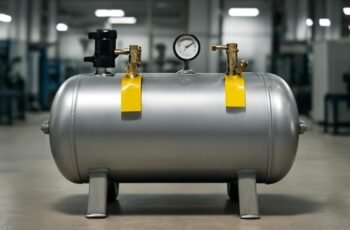
Using a garage air compressor safely is essential to prevent accidents and damage. Proper setup and regular maintenance can go a long way in keeping you safe, but knowing the right safety practices is equally important. Are you aware of the potential hazards and how to minimize them? Staying informed can make all the difference, especially when working with powerful tools that require careful handling. Let’s explore how to keep your workspace safe and your equipment in top shape.
How to Properly Set Up and Maintain Your Garage Air Compressor
Setting up and maintaining your garage air compressor correctly is essential for safe and efficient operation.
First, choose a dry, well-ventilated space away from heat sources and flammable materials. Make sure the compressor sits on a level surface to prevent vibrations and leaks.
Connect the hoses securely, avoiding kinks or sharp bends that could restrict airflow.
Regularly check the oil level if your compressor requires oil, and change it as recommended by the manufacturer.
Keep the air filter clean to ensure optimal performance.
Drain moisture from the tank frequently to prevent rust and corrosion.
Lastly, inspect all safety valves and pressure gauges regularly to ensure they’re working properly.
Proper setup and maintenance prolong your compressor’s life and keep you safe during use.
Identify and Avoid Common Safety Hazards When Using an Air Compressor
While air compressors are valuable tools, they can pose serious safety hazards if not used carefully. One common risk is over-pressurizing the tank, which can cause it to rupture or explode. Always check the pressure limits and never exceed the manufacturer’s recommendations.
Leaks are another hazard; escaping compressed air can cause injury or damage nearby objects. Regularly inspect hoses and fittings for signs of wear or damage, and replace any compromised parts immediately.
Noise levels can also be dangerous; prolonged exposure can damage your hearing.
Keep the work area clear of clutter to prevent trips and falls, especially around hoses and cords.
Being aware of these hazards helps you operate your compressor safely and reduces the risk of accidents.
Wear the Right PPE to Protect Yourself During Operation
Wearing the right personal protective equipment (PPE) is essential to safeguard yourself during air compressor operation. Always put on safety goggles or glasses to protect your eyes from flying debris or sudden releases of compressed air.
Ear protection, like earplugs or earmuffs, is crucial because compressors can be loud and cause hearing damage over time. Wear sturdy gloves to shield your hands from sharp edges or hot surfaces, especially when handling hoses or fittings.
Long sleeves and pants can prevent skin irritation or injury from accidental sprays or sparks. Additionally, ensure you wear a dust mask if you’re working in dusty environments.
Proper PPE creates a barrier against potential hazards, allowing you to operate the compressor confidently and safely.
Safe Practices for Operating Pneumatic Tools Like Nailers and Spray Guns
To operate pneumatic tools like nailers and spray guns safely, you must follow proper handling procedures and operate them with care. Always read the manufacturer’s instructions before use, and ensure the tool is in good working condition.
Wear your PPE, such as eye protection and hearing guards, to prevent injuries. Keep your hands clear of the tool’s moving parts and avoid any loose clothing that could get caught.
Before connecting to the compressor, check for leaks and damage. Use the correct pressure setting specified for each tool to prevent accidents.
Never bypass safety features or modify the equipment, and disconnect the tool from the air supply when not in use or during maintenance.
Following these practices helps prevent injuries and ensures safe operation.
Emergency Response Steps for Air Compressor Malfunctions and Accidents
In the event of an air compressor malfunction or accident, quick and effective response can prevent serious injuries and minimize equipment damage. First, immediately shut off the compressor using the emergency stop or power switch to halt operation.
If there’s a leak or rupture, carefully move away from the area to avoid injury from flying debris or compressed air. Don’t attempt to fix the issue while the compressor is still pressurized; release pressure safely by opening the drain valve or relief valve.
If someone is injured, seek medical help immediately and provide first aid if necessary. Once the situation is under control, inspect the equipment thoroughly before resuming use.
Taking these steps helps protect you and prolongs your compressor’s lifespan.
Conclusion
By following these safety tips, you can ensure your garage air compressor operates smoothly and safely. Always set it up in a dry, ventilated space, check for damage regularly, and wear the proper PPE. Use tools carefully, and know the emergency procedures. Staying vigilant and maintaining your compressor properly helps prevent accidents and keeps your workspace safe. Prioritize safety, and you’ll enjoy the benefits of your compressor without unnecessary risks.