Maintaining an air compressor requires a systematic approach to ensure safety, efficiency, and longevity. We understand that regular inspections and proper adjustments are essential, but the specifics can be complex. By following a detailed maintenance routine, you can prevent costly repairs and operational downtime. Let’s explore the key steps involved, starting with identifying potential issues before they escalate and guaranteeing your equipment operates at peak performance—something that’s vital for any professional setting.
Key Takeaways
- Regularly inspect for leaks, wear, and damage on hoses, fittings, belts, pistons, and valves to prevent failures.
- Change air filters monthly and drain condensate to maintain optimal airflow and prevent rust.
- Lubricate moving parts and adjust pressure using precise tools to ensure efficient and safe operation.
- Keep the compressor area clean and secure to promote safety, reduce contamination, and improve performance.
- Troubleshoot issues like abnormal noise or vibration, and seek professional help if problems persist.
How to Inspect Your Air Compressor for Leaks and Wear
Regularly inspecting your air compressor for leaks and wear is essential to guarantee peak performance and prevent costly repairs. Effective leak detection involves systematically examining all connection points, hoses, and fittings for audible hissing sounds or visual signs of escaping air. Use soap solution to pinpoint invisible leaks by observing bubbling at joints or seams. Wear assessment requires checking critical components such as belts, pistons, and valves for signs of deterioration, cracks, or excessive vibration. Monitoring these elements ensures early detection of potential failures. Maintaining a detailed inspection schedule enables prompt intervention, reducing downtime and extending equipment lifespan. Precise leak detection combined with thorough wear assessment forms the foundation of a robust maintenance routine, ensuring your compressor operates efficiently and reliably over time.
Changing and Replacing Air Filters for Optimal Performance
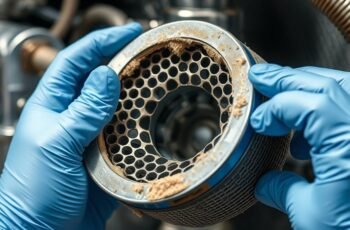
To guarantee your air compressor operates at peak efficiency, it’s essential to change and replace its air filters regularly. Proper air filter maintenance prevents dirt and debris from entering the system, reducing wear on internal components and maintaining ideal airflow. Establishing a strict filter replacement schedule is critical; typically, filters should be checked monthly and replaced every 3 to 6 months, depending on usage and environmental conditions. Neglecting timely filter replacement can lead to decreased performance, increased energy consumption, and potential damage to the compressor. Always inspect filters for visible dirt, clogging, or damage, and replace them promptly to ensure consistent, reliable operation. Maintaining an effective filter replacement schedule maximizes compressor lifespan and operational efficiency.
How to Drain Condensate and Moisture From the Tank
To prevent corrosion and maintain ideal compressor function, we regularly open the drain valve to remove accumulated moisture. It’s crucial to check for signs of moisture buildup inside the tank, especially after extended operation. Consistent drainage ensures the compressor operates efficiently and prolongs its service life.
Regularly Open Drain Valve
Have you ever wondered why draining the tank is essential for maintaining an air compressor’s performance? Regularly opening the drain valve guarantees the removal of accumulated condensate and moisture, which if left unchecked, can impair compressor efficiency. Proper drainage enhances air compressor safety by preventing corrosion inside the tank, which could lead to failure or leaks. Additionally, managing moisture reduces compressor noise by minimizing internal rust and debris that contribute to operational vibrations. Consistent draining also helps maintain ideal pressure levels and prolongs equipment lifespan. To guarantee effective maintenance, open the drain valve fully and regularly during operation or at scheduled intervals. This simple yet critical step supports reliable performance, improves safety, and keeps noise levels down, ensuring your compressor operates smoothly and efficiently.
Check for Moisture Buildup
How can we determine if moisture has accumulated inside the tank? We identify moisture buildup through visual inspection and by listening for audible signs of condensation. Water droplets or a cloudy, milky appearance inside the tank indicate excess moisture. Regularly checking for moisture is essential for effective moisture prevention and condensation control. To drain condensate and moisture, we open the drain valve, ensuring any accumulated water is expelled. This process helps prevent rust formation and compressor failure caused by water contamination. Using a moisture trap or separator can further enhance moisture prevention strategies. Consistent checks and draining are critical to maintaining ideal compressor operation, extending equipment lifespan, and ensuring consistent air quality. Proper moisture management is crucial for reliable and efficient compressor performance.
Inspecting and Maintaining Hoses, Valves, and Connections
Regular inspection of hoses, valves, and connections is essential to guarantee the air compressor operates safely and efficiently. We focus on evaluating hose durability to prevent cracks, leaks, or deterioration that could compromise performance. Check hoses for signs of wear, brittleness, or swelling, which indicate the need for replacement. Connection stability is equally critical; ensure fittings are tight and secure without leaks. Loose or damaged connections can lead to pressure drops and inefficiencies. We also verify that valves function correctly, opening and closing smoothly, with no obstructions or corrosion. Maintaining proper hose condition and connection integrity minimizes downtime and extends equipment lifespan. Consistent, precise inspections help identify potential issues early, ensuring reliable compressor operation and safety in the workplace.
Lubricating Moving Parts to Reduce Friction and Wear
Lubricating moving parts is crucial for reducing friction and minimizing wear, thereby guaranteeing excellent compressor performance and extending lifespan. Proper lubrication techniques involve applying the correct type and amount of oil to critical components, such as pistons, bearings, and crankshafts. Oil selection is essential; we recommend using high-quality, compressor-specific lubricants that meet manufacturer specifications to prevent degradation and buildup. Regularly checking oil levels and replacing or topping off oil as needed ensures consistent lubrication. Applying lubricant evenly, avoiding over- or under-lubrication, maintains smooth operation and reduces operational noise. Adhering to precise lubrication practices minimizes mechanical stress, prevents overheating, and supports the compressor’s longevity and efficiency.
Monitoring and Adjusting Pressure Settings Properly
We regularly verify pressure levels using calibrated gauges to guarantee accuracy. It’s essential to set the compressor to manufacturer-recommended pressure ranges, avoiding both under- and over-pressurization. When adjustments are necessary, we employ precise tools to modify pressure settings accurately and maintain ideal performance.
Regularly Check Pressure Levels
How often should you verify your air compressor’s pressure levels to guarantee peak performance? Regularly checking pressure levels is crucial for maintaining air compressor safety and optimizing energy efficiency tips. We recommend inspecting pressure gauges at least once daily in high-use environments and more frequently during intensive operations. Consistent monitoring ensures the compressor operates within specified parameters, preventing over-pressurization that could compromise safety. Accurate pressure readings help identify leaks or pressure drops early, reducing energy waste and extending equipment lifespan. Always verify that pressure settings align with manufacturer recommendations. Properly maintaining the correct pressure not only enhances safety but also improves energy efficiency, minimizing unnecessary power consumption. Routine checks are a fundamental part of effective compressor maintenance and reliable operation.
Use Correct Pressure Settings
Ensuring your air compressor operates at the correct pressure settings is essential for safe and efficient performance. Proper pressure management maximizes air compressor efficiency by preventing overworking the unit and reducing energy consumption. Set the pressure according to the manufacturer’s specifications, avoiding excessive pressure that can cause wear or damage. Regularly monitor the pressure gauge to maintain consistency during operation. Additionally, correct pressure settings contribute to noise reduction techniques by minimizing vibrations and airflow turbulence, which can generate excess noise. Maintaining ideal pressure not only prolongs the lifespan of the compressor but also ensures consistent performance. By precisely managing pressure levels, we improve operational safety, enhance efficiency, and create a quieter work environment.
Adjust With Precise Tools
To maintain accurate pressure settings, it’s essential to use precise monitoring and adjustment tools designed for compressor calibration. Digital pressure gauges and calibrated regulators provide reliable readings, guaranteeing peak performance. Regularly check the pressure with these tools to prevent over-pressurization, which can damage components or compromise safety. During adjustments, verify that the air filter is clean, as clogged filters can cause pressure inconsistencies and increase compressor noise. Proper calibration not only maintains consistent pressure but also contributes to noise reduction by preventing strain on moving parts. Consistent monitoring and fine-tuning help extend the compressor’s lifespan, maximize efficiency, and guarantee safe operation. Accurate adjustments are vital for maintaining system integrity and minimizing operational disruptions.
Regularly Checking and Replacing Safety Devices and Sensors
Regularly inspecting safety devices and sensors is vital to maintaining ideal compressor operation and guaranteeing safety compliance. Proper checks help verify that safety protocols are in place and that sensors are functioning accurately. Regular calibration of sensors ensures precise readings, preventing malfunctions that could lead to hazards or equipment damage. When inspecting, look for signs of wear, corrosion, or damage that could impair sensor performance. Replace faulty safety devices promptly to uphold safety standards. The following table summarizes key safety components:
| Safety Device | Purpose | Inspection/Replacement Frequency |
|---|---|---|
| Pressure Relief Valve | Releases excess pressure | Annually or after activation |
| Safety Sensors | Detect unsafe conditions | During routine maintenance |
| Emergency Shutoff | Stops compressor in emergencies | Quarterly or as specified |
Adhering to these practices guarantees reliable operation and safety compliance.
Keeping the Compressor Area Clean and Free of Debris
Why is maintaining a clean compressor area essential for peak performance and safety? A tidy environment directly impacts air quality and noise reduction, ensuring ideal operation. Debris accumulation can hinder airflow, increasing heat and risking damage. To maintain a safe, efficient workspace, we recommend:
- Regularly sweeping or vacuuming the area to remove dust and debris.
- Ensuring ventilation is unobstructed to promote air quality.
- Securing cables and tools to prevent tripping hazards and noise issues.
- Inspecting for and removing any accumulated dirt or lubricant spills that could impair compressor components.
Keeping the area free of debris minimizes contamination risks, enhances air quality, and reduces noise levels, contributing to reliable compressor performance and operator safety.
Troubleshooting Common Compressor Issues and When to Call a Professional
While many minor compressor issues can be addressed through routine troubleshooting, recognizing when a problem exceeds basic maintenance is essential for safety and equipment longevity. Excessive air compressor noise often indicates underlying issues such as worn bearings or misaligned pulleys, which require professional inspection. Similarly, abnormal vibrations or inconsistent pressure output may signal component failures or improper compressor size selection for your application. If troubleshooting reveals persistent problems like overheating, excessive noise, or reduced airflow, it’s time to call a professional. Proper diagnosis ensures that complex repairs, such as replacing valves or adjusting pressure controls, are handled securely and correctly. Knowing when to escalate maintenance prevents costly damage and extends the compressor’s lifespan, safeguarding your investment and operational efficiency.
Frequently Asked Questions
How Often Should I Schedule Professional Maintenance for My Air Compressor?
We recommend scheduling professional maintenance every 6 to 12 months, focusing on lubricant selection and inspection of components, which helps optimize power consumption and guarantees the compressor functions efficiently, reducing downtime and costly repairs.
What Are the Signs of Internal Component Failure in an Air Compressor?
Internal wear and component fatigue act like silent alarm bells, signaling potential failure. Look for unusual noises, decreased efficiency, or rising pressure fluctuations, indicating internal component failure that requires immediate inspection and maintenance to prevent costly breakdowns.
Can I Use Aftermarket Parts for Repairs and Replacements?
We can use aftermarket parts for repairs, but we must consider warranty implications. While they often offer cost savings, using non-OEM components may void warranties or affect compressor performance, so it’s crucial to evaluate compatibility and manufacturer guidelines carefully.
How Does Ambient Temperature Affect Compressor Performance?
Temperature regulation is crucial; high ambient humidity and extreme temperatures can hinder compressor performance. We notice that colder temperatures improve efficiency, while warmer, humid conditions may cause condensation issues, emphasizing the importance of maintaining ideal ambient conditions for peak operation.
What Safety Precautions Should I Take During Compressor Maintenance?
We recommend wearing appropriate safety gear, including eye and ear protection, before starting maintenance. Always follow emergency procedures, guarantee power is disconnected, and verify pressure release to prevent accidents during compressor servicing.
Conclusion
Regular maintenance is essential for peak air compressor performance and longevity. Studies show that improperly maintained compressors can experience up to 50% more downtime due to avoidable issues. By performing routine inspections, replacing filters, and guaranteeing safety devices are functional, we reduce the risk of costly repairs and extend equipment lifespan. Staying diligent with these practices ensures reliability, safety, and efficiency, ultimately saving time and resources while maximizing your compressor’s operational life.