Makita AF506 Review: Quick Overview
Finding a compact 18G pneumatic brad nailer that can handle both delicate trim and longer brads is harder than it sounds. The Makita AF506 is designed for that middle ground: a straight-magazine air nailer for finish carpentry, trim work, cabinetry, panelling, and general woodworking. Its broad stated fastener range makes it worth considering for workshop users, but the listed price of £99 needs careful checking before anyone treats it as a genuine checkout offer.
The supplied specification identifies an 18G nailer accepting 15mm to 50mm brads, operating from to psi, with a 100-nail magazine. That combination should appeal to buyers who already own a suitable compressor and regularly switch between thin trim and thicker woodworking components. It is a weaker fit for anyone wanting cordless portability or a complete kit containing the air equipment needed to operate it.
For buyers, we should separate what is confirmed from what still requires checking. The fastener range, straight magazine, pressure range, and capacity come from the supplied product description.

Makita AF506 Specifications and What They Mean in Practice
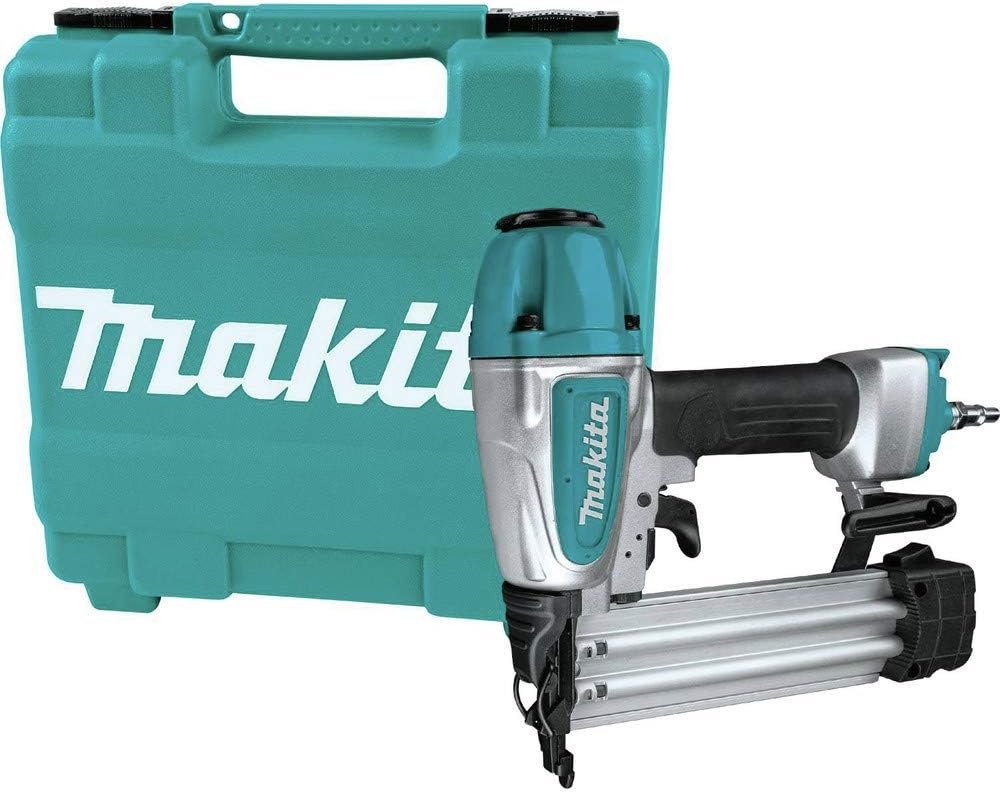
The core specification is straightforward, and it explains where this tool fits. An 18G brad is a practical finish-work fastener: it leaves a relatively small entry hole while offering more holding strength than a finer pin nail. That makes the format useful when adhesive alone is not enough, but a larger finish nail would leave an unnecessarily obvious mark.
| Specification | Makita AF506 | Practical meaning |
|---|---|---|
| Nail gauge | 18G | Suitable for many trim and light assembly tasks |
| Nail length | 15mm to 50mm | Supports thin decorative pieces through thicker joinery |
| Magazine style | Straight magazine | Simple inline format, but potentially less convenient in tight corners |
| Magazine capacity | 100 nails | Fewer reloads during small and medium projects |
| Operating pressure | 70 to psi | Requires a regulated, compatible compressed-air supply |
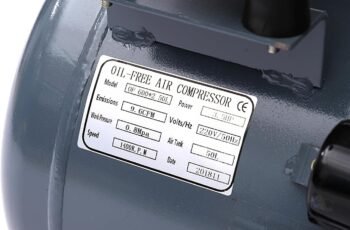
| Power source | Pneumatic | Needs an air compressor, hose, and suitable fittings |
The 15mm to 50mm span is unusually useful for one general-purpose brad nailer because it covers both short fastening jobs and longer penetration into a base material. The straight magazine may offer a familiar loading arrangement, although an angled design can be easier to position around some corners and narrow spaces. The 100-nail capacity is enough to reduce interruptions on picture frames, small cabinet work, and short trim runs, but longer jobs will still require regular monitoring of the strip.
The pressure figure is a working range rather than a promise that every compressor will perform equally well. The regulator must be set correctly, the hose and fittings must suit the tool, and the compressor must provide enough airflow to recover during repeated firing. A small tank may reach the required pressure yet struggle to maintain consistent driving depth when the trigger is used continuously.
Key Features Deep-Dive: Nail Range, Magazine, and Air Requirements
The broad fastener range gives the Makita AF506 a useful place in a mixed workshop. Short brads can suit thin decorative trim, picture frames, and narrow moulding, while intermediate lengths can help with cabinet components, panelling, and furniture repairs. The longest compatible brads are more relevant to thicker moulding and light woodworking assemblies than to fragile veneer or very narrow stock.
There is a trade-off with 18G fastening. The brad offers useful holding power, but narrow timber can still split if the fastener is too long, placed too close to an edge, or driven into difficult grain. We recommend testing the intended brad and material combination on scrap first. A clean test result is more useful than assuming that one pressure setting will suit every species and thickness.
Setup should be deliberate:
- Select a brad length that passes through the attached piece and grips the base without protruding.
- Connect the air hose and start at a conservative setting within the stated operating range.
- Load a small number of compatible brads and test on scrap.
- Adjust pressure only enough to achieve the required seating depth.
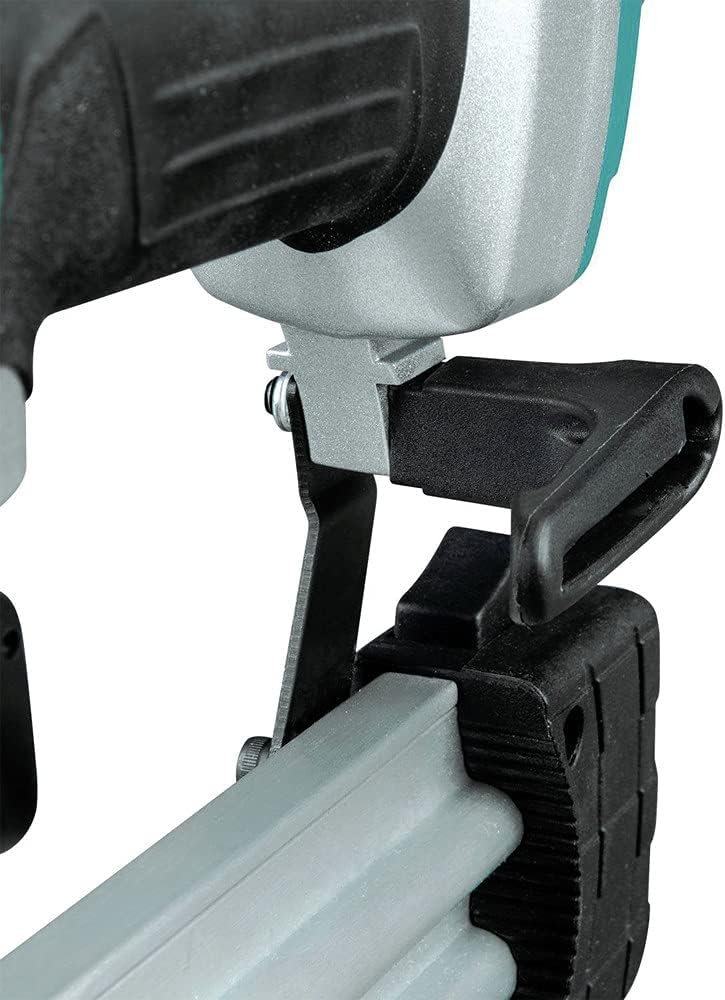
Keep the nose firmly against the workpiece, wear eye protection, and disconnect the air supply before attempting to clear a jam. The supplied information does not confirm whether this exact configuration has depth adjustment, dry-fire protection, a particular trigger arrangement, or included accessories. Those details should be checked in the current manual or seller listing rather than assumed from another Makita nailer.

How the Makita AF506 Performs for Common Projects
Based on its 18G format and stated fastener coverage, the Makita AF506 should be considered for trim installation, cabinet assembly, panelling, furniture repair, picture frames, and other light-to-medium finish applications. It is not a substitute for a framing nailer, and it should not be treated as the best choice for extremely delicate work where a 23G pin nailer would leave a smaller mark.
Fastener selection matters more than many first-time users expect. The brad needs to travel through the attached piece and hold in the supporting material without exiting the rear, splitting the substrate, or becoming too short to provide dependable grip. Harder timber may require a different length or pressure setting from softwood of the same visible thickness.
Before working on visible trim, we would use three test stages:
- Fire several nails into scrap made from the same materials.
- Try the planned brad length and one nearby length if the joint allows it.
- Check the head depth, back-side penetration, edge splitting, and surface marking before proceeding.
Inconsistent results do not automatically indicate a defective nailer. Incorrect pressure, unsuitable brads, poor contact with the surface, or insufficient compressor airflow can all affect depth. Buyers should also plan around the pneumatic design: the tool is only one part of the system, so an air hose and compressor are necessary rather than optional extras.
What Customers Are Saying About the Makita AF506
No current rating, review total, verified-buyer record, or dated review extract was included in the supplied product data. We therefore cannot honestly state that buyers praise reliable firing, clean results, easy loading, or compressor compatibility as established customer-review patterns. Likewise, there is no evidence here to support a claim that misfires, jams, air leaks, depth inconsistency, missing accessories, or unclear instructions are widespread problems.
That missing evidence matters because similar pneumatic nailers are often sold in several configurations. Older reviews may relate to a different seller, bundle, market, or accessory package, while a review attached to a nearby model may not describe the exact AF506. Before purchase, check that the reviews belong to the precise model and current listing rather than relying on a shared product-family page.
When the live review record is available, we would give the greatest weight to detailed reports that name the brad size, material, compressor pressure, and project type. Photographs of nail depth and long-term ownership comments are more informative than an unexplained one-line star rating.
For a sound assessment, readers should record four things from the current listing: the displayed rating, the number of reviews, the latest review date, and whether recent complaints repeat a specific fault. A single jam during incorrect setup means something different from several independent reports describing the same issue with compatible brads and stable air pressure.
Who Should Buy the Makita AF506?
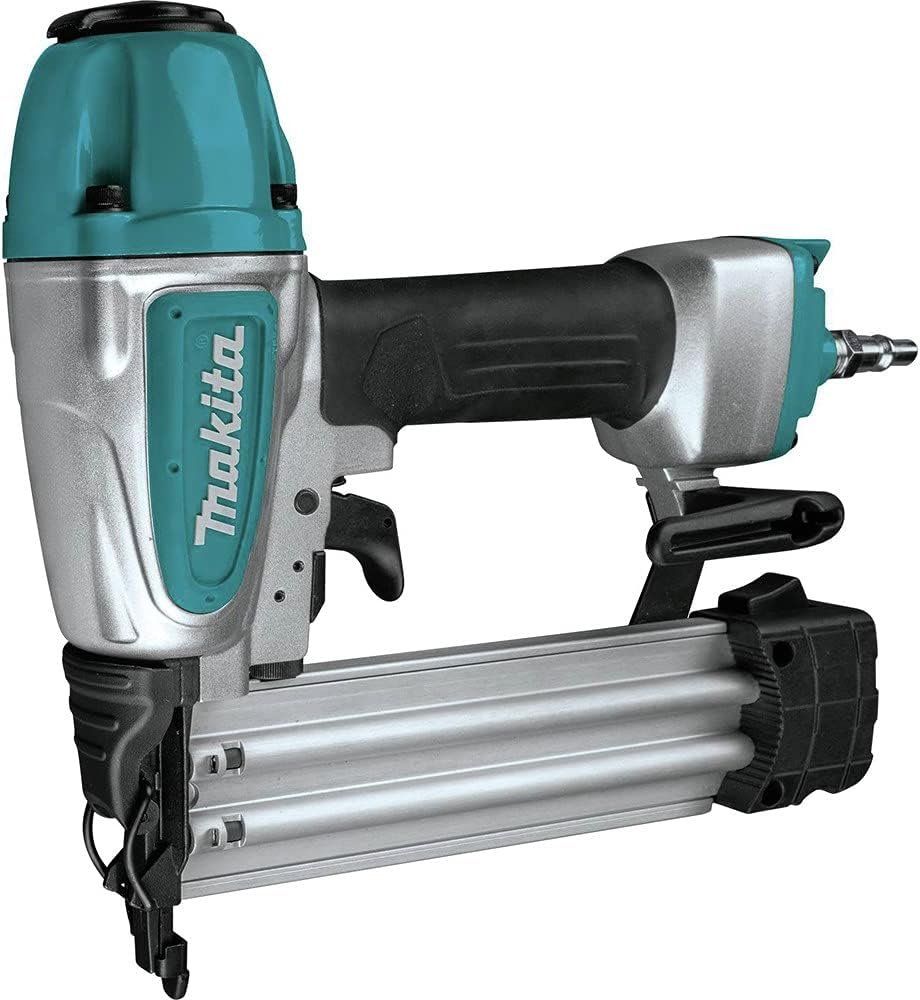
The best match is a DIY woodworker, trim installer, cabinet maker, furniture hobbyist, or tradesperson who already has a compressor and wants one 18G tool for several finish tasks. The stated range is especially useful when a user moves between thin decorative pieces, cabinet components, and thicker moulding instead of repeating one specialised operation.
For occasional users, the economics depend almost entirely on existing equipment. If a suitable compressor, hose, regulator, and fittings are already in the workshop, a pneumatic nailer can be a sensible way to avoid battery ownership. If none of that equipment is available, the tool price alone gives a misleading picture of the total setup cost.
We would steer other buyers toward a different format if they need to work on a roof, in a remote room, or anywhere without compressed air. A cordless 18G nailer is easier to carry, although its battery and charger add cost and weight. Buyers working mainly with very delicate materials may also be better served by a pin nailer.
Our decision process is simple: identify the material thickness, choose the required brad length, confirm the compressor’s ability to supply stable air, and compare the complete system cost with a cordless alternative. Professionals should additionally confirm service support, replacement parts, warranty terms, and the availability of compatible 18G brads before making it a regular-work tool.
How to Set Up and Use the Makita AF506 Correctly
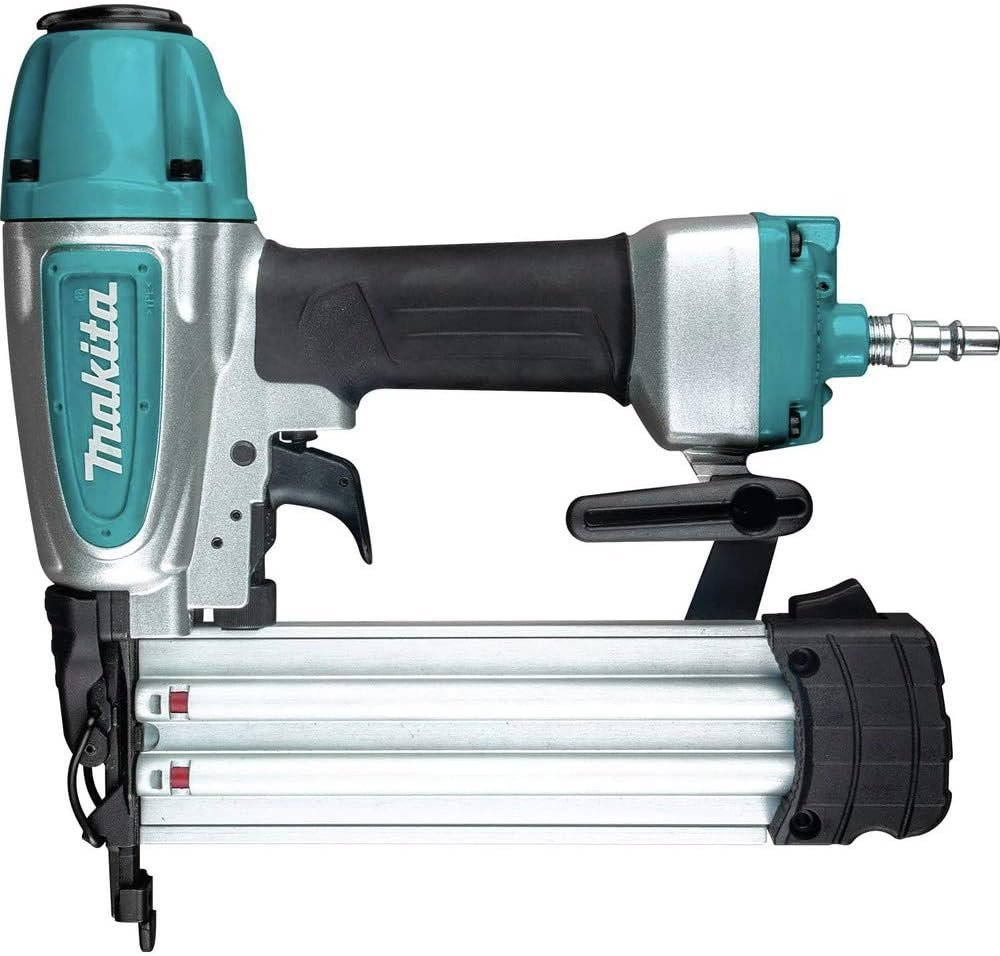
Correct setup starts with matching the brad to the joint rather than choosing the longest available fastener. A 15mm brad may suit thin attached trim, an intermediate length may fit ordinary cabinet or moulding work, and the longest option is for thicker assemblies where the base material can safely accept it. Hardness, grain direction, and edge distance should all influence the choice.
- Inspect the tool, magazine, nose, hose, and fittings for damage or loose parts.
- Choose compatible 18G brads for the material and joint.
- Load the magazine according to the current manual and keep fingers clear of the firing area.
- Connect the air supply and set the regulator conservatively within the specified working range.
- Fire several test brads into scrap made from the same materials.
- Check the head depth and the rear of the joint before moving to the finished workpiece.
Proud brads can result from low pressure, unsuitable fasteners, poor nose contact, or a depth-control setting if the particular configuration provides one. Overdriven heads may point to excessive pressure or soft material. Keep the nailer perpendicular to the surface, maintain firm contact, and avoid firing too close to an edge or end grain.
Maintenance details should be confirmed against the manual, especially air-line lubrication requirements. Sensible routine care includes cleaning the magazine, checking fasteners and fittings, and storing the nailer disconnected from air. If a jam occurs, disconnect the air supply first, remove remaining brads, inspect the nose and magazine, clear the obstruction with the correct tool, and test again on scrap.
Final Buying Guidance for the Makita AF506
Our buying decision comes down to three questions. Do we need an 18G finish nailer rather than a pin or larger finish nailer? Can the available compressor provide stable air across the tool’s working requirements? And is the verified total price competitive once the rest of the pneumatic setup is included?
The Makita AF506 is most compelling when its broad fastener coverage, straight magazine, 100-nail loading capacity, and workshop air supply solve a real recurring need. Those attributes are useful for mixed trim and woodworking tasks, but they do not make the tool automatically better than a competitor or a cordless alternative.
The evidence quality is currently incomplete. The supplied listing gives the main specifications and a price of USD0.00, but it does not provide a live rating, review count, customer-review patterns, competitor pricing, or confirmed accessories. We would verify those points on the current product page and read recent detailed reviews before committing.
Best use case: workshop-based finish carpentry and mixed woodworking for someone who already owns compatible compressed-air equipment. Main limitation: pneumatic operation reduces portability and makes the zero-dollar listing impossible to assess as final value without checkout verification. Order checks: confirm the exact model, real USD price, seller and return terms, included equipment, current review record, and support for compatible 18G brads.
Pros and Cons
Pros
- Broad stated 15mm to 50mm fastener range for varied finish and woodworking applications
- Common 18G format balances relatively small holes with useful holding strength
- 100-nail magazine can reduce reload interruptions on small and medium projects
- Pneumatic design may suit workshop users who already own a compatible compressor
Cons
- Requires an air compressor, hose, and fittings, so it is not cordless or immediately portable
- The supplied data does not confirm depth adjustment, dry-fire protection, trigger configuration, or included accessories
- Current rating, review count, and recurring customer feedback were not provided
Final Verdict
Key Takeaways
- The Makita AF506 is a pneumatic 18G brad nailer aimed at mixed finish carpentry and woodworking tasks.
- Its broad fastener coverage is useful for buyers who already own compatible compressed-air equipment.
- Setup quality matters: brad choice, stable airflow, pressure, nose contact, and scrap testing affect the finished result.
- Buy only after comparing the complete pneumatic system cost with DEWALT, BOSTITCH, and cordless alternatives.
Frequently Asked Questions
What nail sizes does the Makita AF506 accept?
The supplied product description states that the Makita AF506 accepts 18G brads from 15mm through 50mm. Confirm the exact compatible fastener specification and any brand restrictions in the current manual before buying.
Does the Makita AF506 require an air compressor?
Yes. It is a pneumatic nailer, so it requires a compressor, air hose, and compatible fittings. The listed operating requirement is to psi, but the compressor must also provide enough airflow to maintain consistent performance during repeated firing.
Is the Makita AF506 suitable for delicate trim?
It may suit many trim tasks because 18G brads leave relatively small holes, but narrow or fragile timber can still split. Test the chosen brad and pressure on matching scrap, and consider a finer pin nailer when the material is especially delicate.