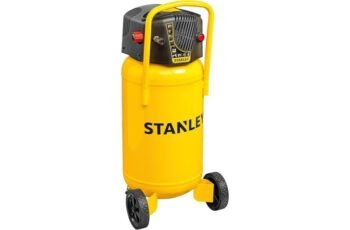
When workshop demands rise, can a compact compressor keep pace without compromise? We’ll assess the SGS 100 Litre Direct Drive Air Compressor’s 3 HP motor, 8-bar maximum pressure and stated 13.8 CFM free air delivery against common DIY and intermittent workshop tasks. We’ll also weigh its twin outlets and adjustable regulator against its 97 dB noise level, maintenance needs and limits during sustained high-demand use—the details that may shape your decision.
Key Takeaways
- The SGS SC100V has a 100-litre receiver and 3 HP motor, making it well suited to DIY garages and intermittent workshop use.
- Its maximum pressure is 8 bar, with free air delivery listed as 13.8 CFM in one specification and 14.6 CFM elsewhere.
- Twin quick-release outlets and an adjustable regulator make it convenient to connect tools and set working pressure.
- At 97 dB, it is loud; its size and weight may also make it difficult to move or fit in smaller garages.
- Check the oil before use, drain condensate regularly, and avoid sustained high-demand work; confirm the weight and 13 A supply requirements.
Overview(optimize_title)
The SGS SC100V is a 100-litre, direct-drive compressor for DIY and semi-professional workshop use. Its 3 HP motor draws 2.2 kW from a 230 V supply, runs at 2,850 rpm, and delivers 13.8 CFM of free air delivery, with product information also listing 14.6 CFM.
Maximum pressure reaches 115 PSI (8 bar), while restart pressure is 87 PSI (6 bar). These Performance specifications support common air-powered tasks, including spraying, drilling, sanding, and operating impact wrenches.
For workshop suitability, the receiver provides substantial stored air for intermittent tool use. We’d consider it for home garages, rather than commercial workloads.
Detailed features
For setup flexibility, the SC100V has a 100-litre receiver and twin outlets, so we can connect two air lines or tools at once. Twin outlet capacity comes from 1/4-inch BSP Euro quick-release couplers, which accept compatible fittings.
A regulator and gauges provide pressure regulation control, letting us set and monitor outlet pressure for different tools. The 3 HP, 2.2 kW motor runs on a 230 V supply and drives the pump at 2,850 rpm.
Maximum pressure is 8 bar (115 PSI), with restart at 6 bar (87 PSI). Air displacement is listed as 13.8 CFM FAD, while product information also states 14.6 CFM.
Pros and Cons
That combination of a large receiver, twin outlets and adjustable pressure gives the SC100V useful workshop flexibility, but its strengths come with practical trade-offs.
For Workshop suitability, we value its 100-litre tank, 8-bar maximum pressure and 13.8 CFM stated free-air delivery for intermittent spraying, nailing and impact-tool use. The regulator and quick-release couplers simplify connection and pressure adjustment.
However, we shouldn’t mistake it for a commercial compressor: sustained high-demand work can exceed its output, while 97 dB calls for hearing protection. Its 2.2 kW motor also affects operating costs, and the tank needs regular draining. Its size and weight may limit repositioning in smaller garages.
Concluding thoughts
Overall, we’d choose the SGS SC100V for a home workshop or garage where a 100-litre receiver and twin outlets support varied, intermittent air-tool tasks. Its 3 HP motor delivers up to 8 bar, while the regulator and gauges help us set working pressure. Workshop suitability is limited by its 97 dB noise and non-commercial design.
| Consideration | Practical implication |
|---|---|
| Capacity | Supports varied, intermittent tool use |
| Noise | 97 dB; hearing protection is advisable |
Ownership considerations include checking oil before startup, draining condensate regularly, and confirming the 13 A supply. We’d also verify the listed weight, which appears unusually high, before planning transport. SGS offers spares, service, and a two-year extended warranty.
Frequently Asked Questions
How Often Should the Compressor’s Tank Be Drained?
We should drain the tank after each use, or daily during frequent operation, to support Tank Drainage and Moisture Removal. Open the valve beneath the receiver, release accumulated water and air, then close it securely.
What Oil Should I Add Before the First Use?
Choose compressor oil specified in the SC100V manual; don’t guess, since the right lubricant protects the pump’s heart. Check the Oil type and Fill level instructions, then add only the recommended amount before operation.
Can This Compressor Run Continuously for Extended Periods?
We wouldn’t assume it can run continuously: its published specifications don’t state a Duty cycle or thermal limits. For extended operation, consult SGS for guidance, monitor motor temperature, and allow cooling breaks to prevent overheating and premature wear.
What Maintenance Does the Compressor Require?
We recommend routine maintenance: check oil before operation and top up as needed, since it ships with trace oil. Drain tank water through its underside valve, and perform filter cleaning regularly to maintain airflow and reliability.
How Can I Claim the Two-Year Extended Warranty?
To claim the two-year extended warranty, contact SGS Engineering’s service centre and ask us to confirm the process. Complete Warranty registration, retain your proof of purchase, and provide Claim documentation, including the model and serial number.
Conclusion
For DIY users and intermittent workshop tasks, we find the SGS 100-litre direct-drive compressor a practical, versatile choice. Its 3 HP motor, twin outlets and adjustable regulator support spraying, drilling and impact-wrench use, while the stated 13.8 CFM delivery and 8-bar maximum pressure suit many jobs. However, 97 dB is loud, and sustained high-demand work may outpace its output. As the saying goes, measure twice, buy once: check your power supply, available space and lifting capacity, and maintain oil and condensate levels.