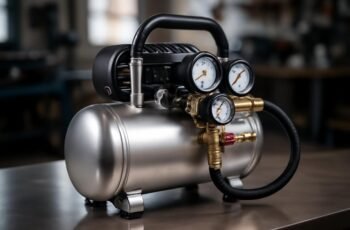
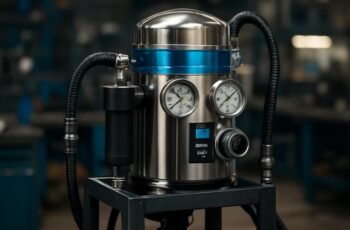
As professionals in compressed air systems, we recognize the importance of reliable moisture removal. A well-designed refrigerated air compressor dryer is essential for maintaining equipment integrity and operational efficiency. Accurate selection, proper sizing, and maintenance directly impact performance and costs. To optimize your system, it’s vital to grasp the underlying principles and considerations involved. We invite you to explore the key factors that can influence your dryer’s effectiveness and longevity.
Key Takeaways
- Understand how refrigerated dryers remove moisture through cooling and condensation in the refrigeration cycle.
- Consider capacity, flow rate, and dew point requirements when selecting the appropriate dryer type.
- Regular maintenance of filters, condensate drains, and refrigerant levels ensures optimal performance and longevity.
- Proper installation location minimizes pressure drops, noise, and maximizes moisture removal efficiency.
- Compare refrigerated and desiccant dryers based on dew point needs, energy costs, and application sensitivity.
What Is a Refrigerated Air Compressor Dryer and How Does It Work?
A refrigerated air compressor dryer is a device designed to eliminate moisture from compressed air by cooling it to a temperature where water vapor condenses into liquid form. It operates through a refrigeration cycle, where a compressor compresses a refrigerant, increasing its temperature and pressure. The refrigerant then passes through a condenser, releasing heat and cooling down. As the compressed air flows through an aftercooler, it reaches the cooled refrigerant’s surface, promoting moisture removal. The moisture-laden air then passes through a separator, which removes liquid water. The refrigerant absorbs heat from the air, maintaining the temperature below dew point. This process guarantees efficient moisture removal, preventing water carryover and protecting downstream equipment.
Benefits of Using Refrigerated Air Dryer Systems in Your Facility
Implementing refrigerated air dryer systems enhances air quality by effectively removing moisture and contaminants, ensuring cleaner compressed air. This improvement reduces the risk of corrosion and particle buildup within equipment. Consequently, equipment wear is minimized, leading to increased operational reliability and lower maintenance costs.
Improved Air Quality
Have you considered how moisture and contaminants in compressed air can compromise your facility’s operations? Refrigerated air dryer systems substantially enhance air quality through effective moisture control and air purification. Proper moisture removal prevents corrosion, bacterial growth, and contamination of downstream equipment. Implementing these systems guarantees:
- Consistent air dew point, reducing residual moisture
- Minimized particulate and oil vapor contamination
- Enhanced reliability of pneumatic tools and processes
- Reduced risk of product defects caused by moisture-related issues
Reduced Equipment Wear
By effectively removing moisture and contaminants from compressed air, refrigerated air dryer systems considerably reduce the wear and tear on your facility’s equipment. Eliminating water vapor prevents corrosion and rust, which can damage sensitive components and lead to costly repairs. Enhanced energy efficiency means less strain on your compressor, reducing operational costs and extending equipment lifespan. Additionally, these dryers contribute to noise reduction, creating a safer and more comfortable working environment by minimizing vibrations and mechanical stress. Consistent dry air also prevents clogging and fouling of filters and valves, further decreasing maintenance requirements. Overall, integrating refrigerated air dryers promotes sustained equipment reliability, optimized performance, and reduced downtime, making them an essential component for maintaining the longevity and efficiency of your facility’s compressed air system.
Key Factors to Consider When Choosing a Refrigerated Dryer
When selecting a refrigerated air dryer, understanding the key factors that influence performance and efficiency is essential. Critical considerations include:
- Energy efficiency: Choose models with advanced heat exchange and insulation to reduce power consumption.
- Capacity and flow rate: Guarantee the dryer matches your system’s air demand to prevent over- or under-drying.
- Operating costs: Analyze power consumption, maintenance, and potential downtime for thorough cost analysis.
- Environmental impact: Opt for environmentally friendly refrigerants that align with sustainability goals while maintaining performance.
Focusing on energy efficiency and detailed cost analysis helps optimize long-term operational costs. Properly evaluating these factors ensures reliable dew point control, reduces energy waste, and enhances overall system performance.
How to Size and Capacity Match Your Air System Needs
To properly size your air dryer, we must first evaluate the actual air demand of your system, including peak and average flow rates. Next, matching the compressor capacity guarantees the dryer can handle the maximum load without inefficiency, while considering future expansion prevents undersizing. Accurate assessment of these points ensures ideal performance and energy efficiency.
Assess Air Demand
Evaluating air demand is a critical step in selecting the appropriate refrigerated air compressor dryer, as it guarantees the system can meet operational requirements without unnecessary energy consumption. Accurate assessment ensures ideal air quality and maximizes energy efficiency. To determine demand, consider:
- Peak airflow requirements during maximum operational load
- Continuous versus intermittent usage patterns
- Required pressure dew points for air quality standards
- Future expansion plans that could affect demand
Match Compressor Capacity
How do we accurately match the compressor capacity to your air system’s needs? The key is analyzing your system’s peak and average demand to select a compressor with appropriate capacity, ensuring ideal temperature control and energy efficiency. An undersized compressor will struggle to meet demand, causing temperature fluctuations that compromise drying performance. Conversely, an oversized unit leads to unnecessary energy consumption and increased operational costs. We consider factors like maximum airflow, pressure requirements, and duty cycle to determine the correct capacity. Proper matching minimizes load fluctuations, stabilizes temperature control, and enhances energy efficiency. Precise sizing prevents overcapacity, reduces wear, and maintains consistent air quality, ultimately maximizing the performance and longevity of your refrigerated air dryer system.
Consider Future Expansion
Considering future expansion is vital to guarantee your air system remains efficient and reliable as your operational demands grow. Incorporating future scalability into your expansion planning ensures the system can accommodate increased load without significant redesigns. To achieve this, we recommend:
- Selecting a dryer capacity 20-30% above current needs to allow headroom for growth
- Evaluating peak airflow requirements to prevent undersizing
- Choosing modular components that facilitate easy capacity upgrades
- Confirming power supply and infrastructure can support expanded equipment
Understanding Maintenance and Operating Costs of Refrigerated Dryers
Understanding the maintenance and operating costs of refrigerated dryers is essential for enhancing their performance and ensuring long-term reliability. Energy efficiency directly impacts operating expenses, as efficient units consume less power during normal operation. Regular maintenance scheduling is critical to sustain efficiency, prevent breakdowns, and extend equipment lifespan. Key tasks include monitoring refrigerant levels, inspecting cooling coils, and cleaning filters to avoid performance degradation. Equipment with advanced controls may reduce energy consumption further by optimizing compressor cycles. While initial capital costs are significant, maintaining ideal efficiency minimizes ongoing energy and repair expenses. Tracking operational data helps identify inefficiencies early, enabling timely interventions. Overall, disciplined maintenance and attention to energy efficiency are crucial for controlling costs and maximizing the dryer’s lifecycle value.
Common Types of Refrigerated Air Dryers and Their Differences
Refrigerated air dryers come in several common configurations, each designed to meet specific operational requirements and efficiency goals. These types primarily differ in their refrigeration cycles and compressor components, affecting performance and maintenance.
- Direct Expansion Dryers: Utilize a simple refrigeration cycle with a single compressor, ideal for low to moderate flow rates.
- Heatless Regenerative Dryers: Incorporate a desiccant bed, but employ refrigeration cycles for pre-cooling, reducing energy consumption.
- Recirculating Dryers: Use a continuous refrigerant cycle with advanced compressor components, offering consistent dew point control.
- Low-Pressure Drop Dryers: Designed with optimized refrigeration cycles and specialized compressor components to minimize pressure loss across the system.
Understanding these differences helps match dryer types to operational needs, optimizing efficiency.
Troubleshooting Tips for Refrigerated Air Dryer Performance Issues
When a refrigerated air dryer experiences performance issues, systematic troubleshooting is essential to improve air quality and maintain energy efficiency. Begin by inspecting the refrigeration compressor for proper operation; a malfunction can lead to inadequate cooling and increased moisture carryover. Check the refrigerated coil for dirt or ice build-up, which impairs heat exchange and reduces drying efficiency. Confirm that the thermostatic expansion valve functions correctly, as it regulates refrigerant flow. Verify that the condensate drain is unobstructed to prevent moisture accumulation. Additionally, verify that the airflow rate matches the dryer’s specifications; restricted airflow compromises drying effectiveness and energy use. Addressing these components methodically helps restore maximum performance, ensures consistent air quality, and maintains energy-efficient operation.
Comparing Refrigerated Dryers to Desiccant Dryers: Which Is Right for You?
Choosing between refrigerated and desiccant dryers depends on your specific compressed air requirements and operational conditions. Refrigerated dryers excel in energy savings and are suitable for general moisture control, typically providing a dew point of around 37-45°F. Desiccant dryers, however, deliver superior moisture control, achieving dew points below -40°F, ideal for sensitive applications. Consider these factors:
- Efficiency: Refrigerated dryers consume less energy for moderate moisture removal.
- Moisture Control: Desiccant dryers provide more precise moisture control in critical processes.
- Operational Conditions: Harsh environments may favor desiccant systems due to their robustness.
- Cost Implications: Refrigerated dryers generally have lower initial and operational costs.
Selecting the right dryer hinges on balancing energy savings with moisture control needs for your application.
Best Practices for Installing and Integrating Your Refrigerated Dryer
Effective installation begins with selecting the most suitable location for your refrigerated dryer, ensuring proper airflow and accessibility for maintenance. Seamless system integration requires precise connection to existing compressed air lines, minimizing pressure drops and contamination risks. Adhering to these best practices enhances performance, efficiency, and system reliability.
Proper Placement Techniques
Proper placement of a refrigerated air compressor dryer is critical to guarantee peak performance and longevity. Confirming placement accuracy involves selecting a location that minimizes temperature fluctuations and vibration exposure. Equally important are ventilation requirements, which prevent overheating and facilitate efficient heat dissipation. To enhance installation, consider these best practices:
- Install the dryer in a clean, dry area away from direct sunlight.
- Maintain adequate clearance for airflow and servicing access.
- Avoid placing the dryer near heat sources or corrosive environments.
- Ensure proper ventilation to support consistent cooling and prevent thermal buildup.
Adhering to these guidelines promotes reliable operation, reduces downtime, and extends your dryer’s service life. Proper placement is a crucial step in achieving ideal performance and maintaining system efficiency.
Seamless System Integration
Integrating a refrigerated air dryer into an existing compressed air system requires careful planning to guarantee peak performance and minimal disruption. Proper system integration enhances energy efficiency by optimizing airflow and reducing unnecessary load on the compressor. It’s essential to position the dryer downstream of the compressor and upstream of critical tools to maximize moisture removal. Ensuring proper piping minimizes pressure drops and prevents air bypass, further improving efficiency. Additionally, implementing sound-attenuating enclosures or strategic placement can notably reduce noise levels, contributing to a quieter workspace. Electrical connections should meet manufacturer specifications for safety and reliability. Regularly monitoring system parameters post-installation ensures the integration maintains ideal performance, energy savings, and noise reduction over time.
Tips to Maximize Efficiency and Extend the Lifespan of Your Dryer
Regular maintenance and operational vigilance are essential for maximizing the efficiency and extending the lifespan of your refrigerated air dryer. Proper upkeep guarantees best energy savings and reliable performance. Key maintenance tips include:
- Regularly inspect and replace filters to prevent pressure drops and ensure airflow efficiency.
- Drain condensate frequently to avoid moisture buildup that can impair components.
- Monitor pressure and temperature settings, adjusting them to manufacturer specifications for energy optimization.
- Schedule routine system audits to identify potential issues early, minimizing downtime and costly repairs.
Adhering to these practices helps maintain peak operational conditions, prolongs equipment life, and reduces energy consumption. Consistent maintenance is a critical component of efficient system management, ensuring your dryer operates at maximum efficiency over the long term.
Frequently Asked Questions
What Is the Typical Lifespan of a Refrigerated Air Dryer?
Typically, refrigerated air dryers last around 10-15 years with proper maintenance schedules; neglecting maintenance increases costs and shortens lifespan. Regular inspections and servicing optimize performance and longevity, making cost considerations essential for sustained operational efficiency.
Can Refrigerant Leaks Affect Dryer Performance?
Did you know refrigerant leaks can reduce dryer efficiency by up to 20%? Refrigerant leaks cause pressure drops, impairing cooling performance and leading to increased energy consumption, ultimately compromising the effectiveness of your refrigerated air dryer.
How Environmentally Friendly Are Refrigerated Air Dryers?
Refrigerated air dryers are relatively eco-friendly, mainly due to lower energy consumption compared to alternative methods. We recommend exploring eco-friendly alternatives like desiccant dryers, which might offer better sustainability depending on your specific operational needs.
Are There Any Safety Concerns With Refrigerant Use?
While refrigerants are generally safe, refrigerant toxicity and leak detection remain critical concerns; leaks pose environmental and health risks, requiring rigorous safety protocols. Proper maintenance and monitoring guarantee safe operation, minimizing potential hazards associated with refrigerant use.
What Are the Latest Technological Advancements in Refrigerated Dryers?
We find recent advancements in refrigerated dryers focus on enhanced energy efficiency through variable speed compressors and smart controls, which also reduce maintenance requirements, ensuring reliable performance and lower operational costs for industrial air compression systems.
Conclusion
In summary, selecting the right refrigerated air dryer is vital for ensuring reliable, dry compressed air that safeguards your equipment. By understanding the inner workings, benefits, and maintenance needs, we can optimize performance and prevent costly downtime. Like a finely tuned engine, a well-chosen dryer operates seamlessly, transforming moisture management from a challenge into an asset. Ultimately, diligent selection and upkeep turn your compressed air system into a resilient and efficient backbone of your operations.