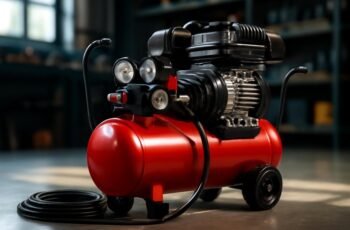
Imagine a professional workshop where the wrong hose causes a sudden pressure drop, disrupting workflow and risking equipment damage. Choosing the right air compressor hose involves understanding specific technical details—diameter, material, pressure ratings—that directly impact performance and safety. With numerous options available, making an informed decision is crucial to avoid costly mistakes. We’ll explore the essential factors to help you select the optimal hose for your needs, ensuring efficiency and reliability.
Key Takeaways
- Match hose diameter and length to your tools and workspace to ensure optimal airflow and safety.
- Choose durable materials like reinforced rubber for high-pressure applications and flexibility.
- Verify maximum working pressure exceeds your compressor’s output to prevent leaks and damage.
- Ensure fittings are compatible with your equipment and that hose size matches system threading standards.
- Regularly inspect, clean, and properly store hoses to maintain performance and extend lifespan.
Understanding the Different Types of Air Compressor Hoses
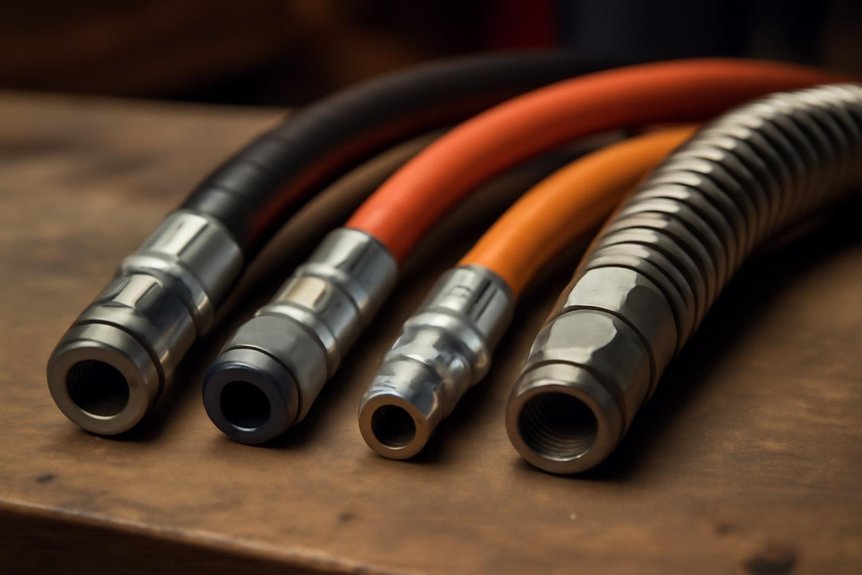
Have you ever wondered why there are so many types of air compressor hoses available? The variety stems from specific applications requiring different material properties and pressure ratings. For example, hoses used in rough-in plumbing must be flexible and durable to withstand harsh environments, while those for automotive paintwork need to be lightweight and resistant to chemicals and solvents. Some hoses are made from reinforced rubber or thermoplastic compounds, offering high pressure tolerance and abrasion resistance. Others are designed with smooth interiors for minimal air loss during precise applications. Selecting the right hose depends on understanding these differences, ensuring compatibility with your task. Properly matched hoses improve efficiency and safety, whether you’re handling plumbing installations or detailed automotive finishing.
Key Factors to Consider Before Buying an Air Hose
When selecting an air hose, we focus on material durability and flexibility to ensure it withstands operational stresses without compromising maneuverability. Compatibility with existing equipment and appropriate size options are critical to optimize performance and safety. Evaluating these factors helps us choose a hose that meets both technical requirements and application demands.
Material Durability and Flexibility
Why do material durability and flexibility matter so much when selecting an air hose? These factors directly impact the hose’s lifespan and performance under demanding conditions. Durability testing ensures the material withstands abrasion, pressure cycles, and environmental factors. Material flexibility, on the other hand, influences ease of handling and installation, especially in tight spaces or repeated movement. A flexible hose resists kinking and maintains performance over time, while a durable one resists cracking and wear. Consider the following:
| Material Type | Durability Characteristics | Flexibility Traits |
|---|---|---|
| Rubber | High resistance to abrasion and pressure | Very flexible, easy to maneuver |
| PVC | Moderate durability, UV resistant | Less flexible, more rigid |
| Hybrid (Rubber+PVC) | Balanced durability | Moderate flexibility |
Compatibility and Size Options
Choosing the right air hose requires careful consideration of compatibility and size options to ensure optimal performance and safety. Despite common compatibility myths, hose compatibility depends on matching the diameter, fittings, and pressure ratings precisely with your compressor and tools. Incorrect sizing can cause pressure drops, leaks, or damage. To avoid these issues, verify that the hose’s internal diameter aligns with your compressor’s outlet and that fittings are compatible with existing equipment. Additionally, consider the hose length; longer hoses may reduce pressure and airflow. Precise measurement and manufacturer specifications are essential. Being aware of compatibility myths helps prevent costly mistakes. Ultimately, selecting a hose with proper size and compatibility guarantees efficient operation, reduces safety risks, and extends the lifespan of your equipment.
How to Choose the Right Hose Diameter and Length for Your Needs?
Determining the appropriate hose diameter and length is essential for optimizing air flow efficiency and ensuring safety during operation. Proper sizing minimizes pressure loss and prevents hose damage, aligning with effective budgeting strategies. Consider hose diameter: larger diameters reduce resistance but increase cost, while smaller ones may cause pressure drops. Length should match your workspace, but excessive length can hinder airflow and safety. Use the table below for guidance:
| Diameter | Typical Use | Length Range | Safety Considerations |
|---|---|---|---|
| 1/4 inch | Light tools | Up to 25 ft | Minimize trip hazards |
| 3/8 inch | Power tools | 25-50 ft | Prevent kinks |
| 1/2 inch | Heavy-duty | Over 50 ft | Avoid pressure drops |
Choosing wisely balances performance, safety, and budget.
Materials and Construction: Which Air Hose Is Most Durable?
Selecting the right materials and construction features is essential for ensuring an air hose’s durability under demanding conditions. Many durability myths suggest that thicker hoses are inherently more durable, but actual hose durability depends on material quality and reinforcement. High-quality hoses typically feature reinforced inner layers and robust outer coverings designed to withstand wear, abrasion, and environmental stress.
Key factors include:
- Reinforced rubber or thermoplastic cores with multiple layers
- Heavy-duty, abrasion-resistant outer coverings
- Embedded reinforcement fibers such as braided polyester or nylon
- Flexible yet resilient materials that resist cracking and kinking
Understanding these construction elements helps differentiate true hose durability from common myths, ensuring you choose a hose capable of enduring rigorous use and extending its service life.
The Importance of Pressure Ratings and Compatibility
How critical are pressure ratings and compatibility when it comes to air hoses? Extremely, because selecting a hose with inadequate pressure ratings can lead to failures, safety hazards, or damage to your equipment. Always verify the maximum working pressure to ensure it exceeds your compressor’s output, preventing overloading. Compatibility is equally essential—matching fittings and hose materials with your applications avoids leaks and deterioration. Be wary of pricing myths; cheaper hoses often compromise on pressure standards or durability, risking safety and performance. Additionally, review warranty caveats; a comprehensive warranty indicates confidence in the product’s pressure capabilities and compatibility. Properly assessing these factors ensures safe, efficient operation, and long-term use, safeguarding your investment and preventing costly repairs or replacements.
Flexibility, Weight, and Storage: Ensuring Ease of Use
Flexibility, weight, and storage are critical factors that directly influence the ease of handling and overall safety when using air hoses. Flexibility concerns often relate to the hose’s ability to maneuver around obstacles without kinking or cracking, ensuring consistent airflow. Lightweight hoses reduce operator fatigue and facilitate transportation, especially in confined spaces. Adequate storage solutions prevent damage and prolong hose lifespan, maintaining optimal performance. When assessing hoses, consider the following:
- Material composition to balance flexibility and durability
- Diameter and length for ease of maneuverability
- Coiling compatibility for efficient storage
- Incorporation of protective sleeves or connectors to enhance storage and handling
Prioritizing these aspects ensures safe, efficient operation and simplifies maintenance.
Common Mistakes to Avoid When Selecting an Air Compressor Hose
When selecting an air compressor hose, it’s crucial to consider compatibility with your equipment to ensure proper operation and safety. Neglecting durability factors, such as material quality and resistance to wear, can lead to premature failure and increased costs. Avoid these common mistakes by thoroughly assessing both compatibility requirements and durability considerations before making a purchase.
Overlooking Compatibility Requirements
Have you considered whether the air compressor hose you’re selecting is compatible with your system’s pressure, fittings, and intended applications? Overlooking compatibility requirements can lead to significant issues like pressure failures, fitting leaks, or inadequate performance. Compatibility pitfalls often stem from sizing misconceptions, where the hose’s internal diameter or pressure rating doesn’t align with your system’s needs. To avoid these mistakes, ensure you verify:
- The hose’s maximum operating pressure matches or exceeds system requirements
- Fittings are compatible in size and threading standards
- The hose’s material suits your application environment
- The hose’s length and diameter meet your operational needs
Addressing these points helps prevent costly errors and ensures seamless integration with your compressor system.
Ignoring Durability Factors
Are you overlooking durability factors when selecting an air compressor hose? Failing to consider durability can lead to premature failure, costly replacements, and safety hazards. It’s essential to evaluate the hose’s material composition, reinforcement, and maximum working pressure. Ignoring these factors equates to an irrelevant discussion that neglects the long-term performance of the hose. An unrelated topic like aesthetics should not overshadow the importance of tensile strength and heat resistance, which directly impact reliability. Selecting a hose solely based on price or superficial features risks exposure to environmental stressors, such as abrasion or chemical exposure, which compromise integrity over time. Properly assessing durability ensures the hose withstands demanding conditions, reducing downtime and maintenance costs. Avoid the trap of ignoring durability to guarantee safe, efficient, and long-lasting operation.
Tips for Proper Maintenance and Longevity of Your Air Hose
Proper maintenance is ensureable to achieve the optimal performance and durability of your air hose. Regular inspections prevent leaks, cracks, and wear that can diminish efficiency and safety. To maximize longevity, we recommend tracking your hose’s condition, especially around fittings and stress points. Conduct periodic cleaning to remove debris and moisture, which can cause internal deterioration. When considering replacements, perform a thorough price comparison to identify cost-effective options with comprehensive warranty coverage. Proper storage—coiling neatly in a dry, cool environment—reduces kinks and damage. Additionally, avoid excessive bending or pulling during use, which strains the hose material. Implementing these maintenance practices ensures your hose remains reliable, extending its service life and maintaining optimal airflow performance.
Where to Buy Quality Air Compressor Hoses and What to Expect in Pricing
Where can you find reliable sources for purchasing high-quality air compressor hoses, and what should you expect to pay? Reputable suppliers like industrial equipment retailers, authorized distributors, and online marketplaces ensure subtopic relevance and quality. Pricing misconceptions often lead buyers to assume higher prices guarantee better durability; however, established brands offer competitive rates aligned with material standards and safety features. Expect to pay between $20 and $100 depending on hose length, diameter, and material specifications.
| Source Type | Price Range |
|---|---|
| Local Industrial Retailer | $30 – $80 |
| Online Distributors | $20 – $70 |
| Manufacturer Direct | $40 – $100 |
Frequently Asked Questions
How Do I Identify a Compatible Air Compressor Hose for My Specific Model?
To identify compatibility, we check your compressor’s specifications, including fitting size and pressure ratings, then compare these with hose details. Ensure the hose matches your model’s compatibility requirements for optimal performance and safety.
What Safety Precautions Should I Follow When Using an Air Compressor Hose?
We follow safety dress, ensure noise mitigation, assess environmental impact, and prioritize long-term durability, actively inspecting hoses, securing connections, wearing protective gear, and maintaining awareness to prevent accidents and ensure optimal operation during air compressor hose use.
Can I Connect Multiple Hoses for Extended Reach? if So, How?
Yes, we can connect multiple hoses for extended reach by using appropriate couplers and ensuring all fittings are secure. We recommend using quick-connect fittings for safety and efficiency, maintaining consistent diameter and pressure ratings across the hose assembly.
How Often Should I Inspect and Replace My Air Compressor Hose?
We recommend inspecting our air compressor hose every three to six months for signs of wear, damage, or leaks. Since insufficient information exists for specific use cases, unrelated concerns should be separately addressed to ensure safety and optimal performance.
Are There Eco-Friendly or Biodegradable Options Available?
Yes, we find eco-friendly, biodegradable options intriguing, though they’re rare. These hoses reduce environmental impact, offering a sustainable solution for responsible users, balancing technical performance with ecological consciousness in industrial applications.
Conclusion
Choosing the right air compressor hose guarantees a seamless connection between your tools and compressor, much like a finely tuned engine runs smoothly on precise parts. When we match diameter, material, and pressure ratings carefully, we create a reliable system that withstands daily use and harsh conditions. Think of your hose as the essential artery of your pneumatic setup—its durability and compatibility directly impact performance, safety, and efficiency over the long haul.