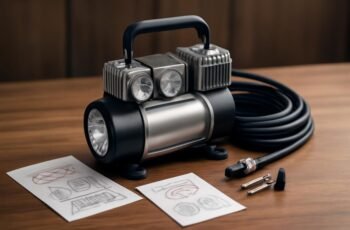
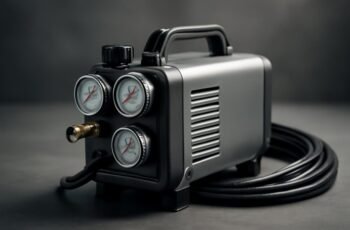
When selecting an oil-free air compressor, understanding the nuances of performance, maintenance, and long-term costs is essential. We recognize that evaluating features such as energy efficiency, noise levels, and build quality requires a detailed approach. With numerous models and brands available, making an informed choice can be complex. To optimize your investment, it’s crucial to consider how each factor impacts operational reliability and total ownership expenses—an analysis that could significantly influence your decision-making process.
Key Takeaways
- Evaluate energy efficiency and noise levels to ensure cost savings and suitable operation in noise-sensitive environments.
- Consider maintenance requirements and build quality for long-term reliability and minimal downtime.
- Assess compressor capacity to match peak and average air demands, preventing short cycling and wear.
- Review brand reputation, warranty coverage, and customer reviews for durability and performance confidence.
- Compare features, pricing, and available deals to optimize total ownership costs and value.
What Are Oil-Free Air Compressors and Why Choose Them?
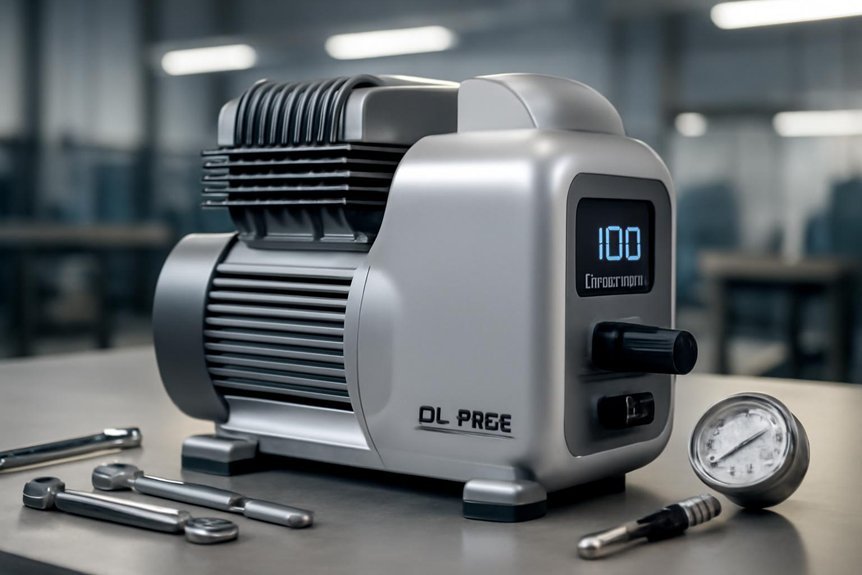
Have you ever considered why oil-free air compressors are increasingly preferred in sensitive applications? These systems utilize oil-free technology to eliminate the need for lubrication within the compression chamber, resulting in contaminant-free air. In terms of air compression, oil-free compressors employ specialized materials and design features—such as scroll or piston mechanisms—that prevent oil contact with the compressed air. This reduces the risk of contamination, making them ideal for industries like healthcare, food processing, and electronics manufacturing. Additionally, oil-free units require less maintenance and have a lower risk of oil leaks, which enhances operational safety and reliability. Overall, the adoption of oil-free air compression solutions offers a clean, efficient, and environmentally friendly alternative to traditional oil-lubricated compressors.
Key Features to Consider When Buying an Oil-Free Compressor
When selecting an oil-free compressor, we focus on key features such as noise level and operational comfort, which directly impact usability in noise-sensitive environments. Portability and size are essential for applications requiring mobility or space efficiency, while maintenance and durability determine long-term reliability and total ownership costs. Analyzing these factors enables us to choose a model that balances performance, convenience, and longevity.
Noise Level and Comfort
What impact does noise level and user comfort have on the overall efficiency and usability of an oil-free air compressor? Noise comfort directly influences user fatigue and operational focus, especially during prolonged use. A compressor with lower decibel levels minimizes auditory fatigue, allowing for safer and more efficient work environments. High noise levels can also indicate less advanced sound-dampening technology, potentially correlating with increased vibrations that reduce precision and increase wear. Comfort is enhanced through ergonomic design and minimal vibration transfer, which improve handling and reduce operator fatigue. When evaluating compressors, considering both noise level and ergonomic features helps optimize productivity while safeguarding user health. Ultimately, a quieter, comfortable compressor supports sustained, efficient operation, making it a crucial factor in purchase decisions.
Portability and Size
Why do portability and size matter so substantially when selecting an oil-free air compressor? These factors directly impact operational flexibility and site compatibility. Portability considerations include weight, handle design, and mobility features, which enable users to transport the unit across different work environments efficiently. Size constraints are equally critical, especially in confined spaces or when storage options are limited; compact models reduce spatial footprint without sacrificing performance. Understanding these aspects helps prevent workflow disruptions caused by unwieldy equipment or insufficient maneuverability. A thorough evaluation of portability considerations and size constraints ensures that the compressor aligns with the specific demands of the job site, maximizing efficiency and minimizing logistical challenges.
Maintenance and Durability
Maintenance and durability are critical factors that directly influence the long-term performance and cost-effectiveness of an oil-free air compressor. Effective maintenance routines, including scheduled inspections and component replacements, ensure optimal operation and prevent unexpected failures. Durability testing provides insight into how well the compressor withstands continuous use under various conditions, highlighting its resilience and material quality. When evaluating a unit, consider the design’s robustness, such as reinforced cylinders and corrosion-resistant components, which contribute to extended lifespan. Regular maintenance routines reduce downtime and operational costs, while durability testing verifies the compressor’s ability to maintain pressure stability over time. Prioritizing these features ensures reliable performance, reduces long-term expenses, and maximizes the investment’s value.
How to Match Compressor Capacity to Your Needs
To effectively match compressor capacity to your needs, we start by precisely assessing your air consumption demands during peak operation. Next, we calculate the required compressor size by considering flow rate, pressure requirements, and duty cycle to ensure consistent performance. This analytical approach guarantees that the selected compressor provides reliable, efficient operation tailored to your specific application.
Assess Your Air Requirements
Understanding your airflow needs is essential to selecting the right oil-free air compressor. Precise assessment ensures optimal air quality, prevents overcapacity, and minimizes unnecessary oil usage. To determine requirements, consider both flow rate (CFM) and pressure (PSI) needed for your application. A mismatch can result in inconsistent air quality or excessive oil-free compressor wear. Below is a breakdown:
| Application Type | Required CFM | Typical PSI |
|---|---|---|
| Precision instruments | 2-5 CFM | 90-100 PSI |
| Manufacturing tools | 10-20 CFM | 90-120 PSI |
| Medical facilities | 3-8 CFM | 80-100 PSI |
| Food & beverage | 5-15 CFM | 80-100 PSI |
| Painting & finishing | 15-30 CFM | 70-90 PSI |
Matching these parameters ensures optimal air quality and minimizes oil usage, preventing system inefficiencies.
Calculate Compressor Size
How do you determine the appropriate compressor size to guarantee reliable performance without overspending on capacity? The key lies in precise size optimization, which involves calculating your peak and average airflow demands based on your equipment’s operational requirements. By analyzing the maximum CFM (cubic feet per minute) needed during peak activity, we ensure the compressor can handle load fluctuations without strain. Selecting a compressor slightly above this demand prevents short cycling, reducing wear and extending warranty coverage. Oversized units waste energy and increase upfront costs, while undersized units risk performance issues. Accurate sizing aligns capacity with actual use, optimizing efficiency, minimizing maintenance, and safeguarding your investment. Ultimately, a well-matched compressor delivers dependable operation and shields you from unnecessary expenses.
Portable vs. Stationary Oil-Free Compressors: Which Is Right for You?
When choosing between portable and stationary oil-free air compressors, evaluating your specific operational needs and workspace constraints becomes essential. Portable units excel with their compact design, allowing easy maneuverability and deployment in limited or dynamic environments. They often leverage battery power, enabling operation without dependence on external power sources, which enhances flexibility for outdoor or remote applications. Stationary compressors, however, are designed for high-volume, continuous use, typically installed in fixed locations where space is less restrictive. They generally feature larger tanks and higher capacities, making them suitable for industrial settings. The decision hinges on whether your priority is mobility and convenience, supported by a compact design and battery power, or consistent, high-capacity performance in a dedicated workspace.
Noise Levels and Energy Efficiency: What Matters Most?
Why do noise levels and energy efficiency hold such critical importance when selecting an oil-free air compressor? Noise sources, such as piston movement and cooling systems, directly influence workplace comfort and safety, while energy efficiency impacts operational costs. Compressors with favorable energy labeling demonstrate lower energy consumption, reducing long-term expenses and environmental impact.
Key considerations include:
- Reduced noise pollution enhances a safer, more focused environment.
- Lower energy consumption decreases utility bills and carbon footprint.
- Quiet operation minimizes worker fatigue and stress.
- Accurate energy labeling guides informed purchasing decisions.
- Efficient compressors ensure sustained performance with less maintenance.
Prioritizing these factors ensures optimal productivity, safety, and cost-effectiveness in your compressor choice.
Maintenance and Longevity: Ensuring Reliable Performance
Have you considered how the maintenance requirements of an oil-free air compressor directly influence its operational lifespan and reliability? Proper maintenance is essential for maximizing oil-free compressor longevity, as it prevents component wear and reduces the risk of breakdowns. Regular inspection of filters, valves, and seals ensures contaminants are removed, maintaining air quality and compressor efficiency. Since oil-free units lack lubrication from oil, cleanliness is critical; accumulated debris can accelerate wear and impair performance. Routine checks on pressure settings and motor functions help identify issues early, avoiding costly repairs. Adhering to manufacturer-recommended maintenance schedules guarantees consistent operation, preserves energy efficiency, and extends the compressor’s service life. Ultimately, diligent upkeep ensures the oil-free compressor delivers reliable, long-term performance.
Comparing Different Brands and Models: What Should You Look For?
Choosing the right oil-free air compressor involves evaluating various brands and models based on key performance indicators and features. Critical factors include brand reputation, which reflects reliability and customer satisfaction, and warranty coverage, providing assurance against potential defects. When comparing models, consider:
Selecting an oil-free air compressor requires assessing brand reputation, warranty, build quality, performance, efficiency, and customer feedback for reliable, lasting performance.
- Build quality and materials for durability under demanding conditions
- Performance specifications, such as flow rate and pressure consistency
- Energy efficiency to reduce operational costs
- Customer reviews and testimonials for real-world insights
- Warranty terms and service support to safeguard your investment
Focusing on these aspects helps identify models with proven longevity and dependable performance, ensuring you select a compressor that meets your needs with confidence. The right choice will provide peace of mind, knowing you’ve prioritized quality and support.
Tips for Getting the Best Deal on an Oil-Free Air Compressor
Wondering how to secure the best deal on an oil-free air compressor? Focus on comparing retailer discounts and the value of affordable warranties. Retailer discounts often fluctuate based on seasonality or inventory levels, so timing your purchase strategically can lead to significant savings. Additionally, prioritize compressors that come with affordable warranties, ensuring long-term protection against potential repairs without inflated costs. When negotiating, verify if discounts apply to extended warranties or service packages, which can enhance overall value. Consider bundled deals that combine accessories or maintenance plans, further reducing total expenditure. Always analyze the true cost of ownership, factoring in warranty coverage and discount incentives, to make an informed, cost-effective purchase that balances affordability with quality and durability.
Frequently Asked Questions
What Safety Precautions Should I Take When Operating an Oil-Free Air Compressor?
We emphasize safety training to ensure proper operation and awareness of hazards, and recommend using hearing protection to mitigate noise exposure. Regular maintenance and proper ventilation further enhance safety, minimizing risks associated with oil-free air compressor use.
How Does Altitude Affect the Performance of an Oil-Free Air Compressor?
Altitude effects can reduce an oil-free air compressor’s efficiency due to decreased air density, while higher ambient temperatures compound this issue. We analyze these factors critically, ensuring optimal performance by adjusting settings or choosing suitable compressor models.
Can Oil-Free Compressors Handle Continuous Operation for Industrial Use?
Oil-free compressors are designed for continuous operation in industrial settings, providing reliable, maintenance-free performance. Their construction minimizes contamination risks, making them ideal for applications requiring consistent, high-demand air supply without the need for oil-based lubrication.
Are There Any Specific Environmental Regulations for Oil-Free Air Compressors?
While oil-free air compressors often meet strict environmental regulations, we must analyze regional standards, emissions, and safety protocols, ensuring compliance and environmental safety, especially as regulations become more stringent for environmentally friendly, oil-free compressed air solutions.
What Are the Common Signs Indicating an Oil-Free Compressor Needs Servicing?
We notice an oil-free warning indicator, gasket failure signs, unusual noise, or decreased airflow, which signal our compressor needs servicing. Regular checks for leaks and pressure drops help us identify these issues early and maintain optimal performance.
Conclusion
In navigating the complexities of oil-free air compressors, we see them as the arteries of precise, contamination-free airflow—vital for many applications. By scrutinizing features like energy efficiency, maintenance needs, and brand reliability, we can chart a course toward optimal performance and long-term value. Just as a well-tuned engine sustains a vehicle’s journey, selecting the right compressor ensures seamless operation, safeguarding your investment and supporting your operational excellence for years to come.