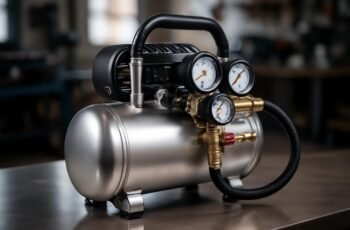
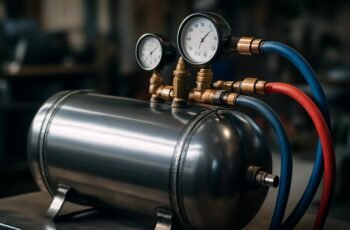
Choosing the right oil-lubricated air compressor can be more nuanced than it first appears, as these units rely on a complex balance of features that impact performance and longevity. Understanding how oil films reduce friction, cool parts, and protect against wear is crucial for making an informed decision. With many models and specifications available, it’s essential to consider factors like capacity, noise levels, and maintenance requirements to ensure your investment meets your long-term needs.
Key Takeaways
- Assess your air demand and choose a compressor with appropriate capacity and horsepower for consistent, efficient operation.
- Prioritize low noise levels and sound-dampening features for safer, more comfortable working environments.
- Ensure the lubrication system uses high-quality oil for smooth operation, reduced maintenance, and extended equipment lifespan.
- Regularly monitor oil levels, change oil as recommended, and maintain filters to maximize compressor longevity.
- Balance initial cost with long-term value, considering warranty, build quality, and energy efficiency to optimize investment.
Understanding How Oil-Lubricated Air Compressors Work
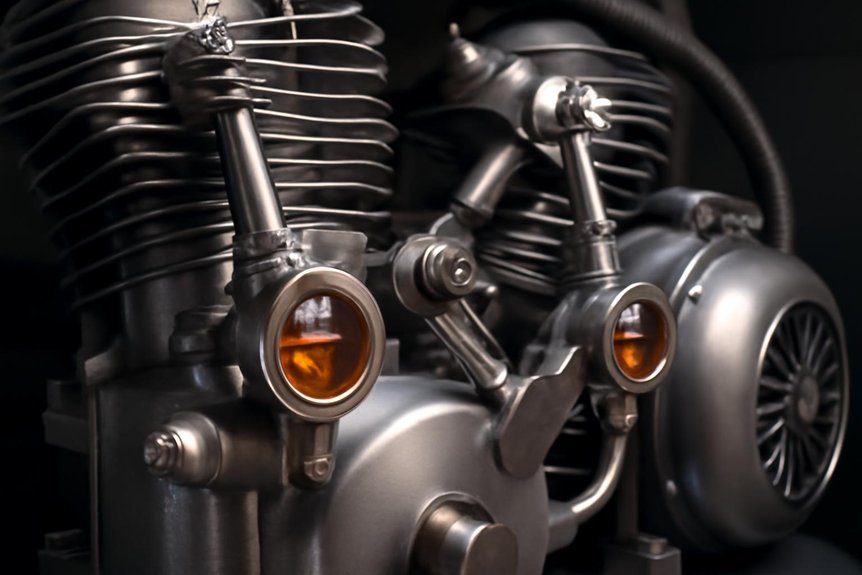
Have you ever wondered how oil-lubricated air compressors operate to generate compressed air? Many people hold oil lubricated misconceptions, believing these units are messy or inefficient. In reality, compressor lubrication myths often lead to misunderstandings about their maintenance and performance. Oil lubrication ensures smooth operation by reducing friction between moving parts, which minimizes wear and heat buildup. It also forms a protective film that prevents metal-to-metal contact, prolonging compressor lifespan. The oil circulates continuously within the system, absorbing heat and contaminants, then passing through filters before returning. This process maintains optimal lubrication, reduces noise, and enhances efficiency. Understanding these technical aspects clarifies how oil-lubricated compressors reliably produce high-quality compressed air, dispelling common myths and emphasizing their importance in industrial applications.
Key Features to Consider When Buying an Oil-Lubricated Air Compressor
When selecting an oil-lubricated air compressor, understanding the key features that influence performance and durability is essential. Critical factors include:
- Price Range: Consider your budget and compare units within that range, ensuring you balance cost with necessary features and build quality.
- Noise Levels: Lower noise levels improve safety and comfort, especially in enclosed or shared workspaces. Look for units with sound-dampening features or quieter motor designs.
- Lubrication System Quality: A robust lubrication system ensures smoother operation and longer lifespan, reducing maintenance costs over time.
Prioritizing these features helps select a compressor that meets your operational demands while offering reliable performance and manageable operating costs.
How to Choose the Right Capacity and Power for Your Needs
Choosing the right capacity and power for your oil-lubricated air compressor hinges on accurately evaluating your workload requirements. Effective capacity planning involves assessing the total air demand of your tools and processes, ensuring the compressor can maintain consistent pressure without frequent cycling. To determine appropriate capacity, consider the maximum airflow (CFM) needed during peak operation. Power requirements depend on matching the compressor’s horsepower with your workload; undersized units may struggle under load, while oversized models can be inefficient. Analyze your typical usage patterns and future expansion plans to select a compressor that balances capacity and power efficiently. Properly aligning these factors ensures reliable performance, energy efficiency, and longevity of your equipment.
Maintenance Tips to Ensure Longevity and Performance
Regular maintenance is key to ensuring your oil-lubricated air compressor remains reliable and performs optimally over its lifespan. Consistent maintenance scheduling helps prevent unexpected failures and extends equipment life. To optimize performance:
- Monitor oil levels regularly and top off as needed, using oil life indicators to determine when oil needs changing.
- Change the oil at manufacturer-recommended intervals to prevent contamination and degradation, ensuring proper lubrication.
- Clean or replace filters periodically to maintain airflow efficiency and reduce strain on the compressor.
Comparing Costs and Value of Oil-Lubricated Models
Have you ever wondered how the initial investment in an oil-lubricated air compressor compares to long-term operational costs? The answer hinges on factors like oil quality, maintenance requirements, and overall durability. Higher-quality oil reduces wear and extends the intervals between oil changes, lowering ongoing costs. Additionally, models with lower noise levels often feature advanced design elements, which may slightly increase upfront expenses but improve workplace comfort and reduce noise-related issues. Warranty coverage also impacts the overall value, as comprehensive warranties can offset potential repair costs. While oil-lubricated compressors may have higher initial prices, their lifespan and efficiency often justify the investment, especially when considering reduced maintenance and operating costs over time. Balancing purchase price with these long-term benefits is key to maximizing value.
Frequently Asked Questions
How Often Should I Change the Oil in My Compressor?
We recommend changing the oil every 1,000 to 2,000 hours of operation, depending on usage. Always consider the compressor’s oil grade and viscosity options to ensure ideal performance and lubrication. Regular oil changes maintain compressor longevity.
What Are Common Signs of Oil Contamination?
Oil contamination often signals trouble, like a storm brewing in your compressor’s heart. Look for dark, gritty oil or frothy bubbles—these are signs of contamination, reminding us that diligent compressor maintenance keeps it running smoothly.
Can Oil-Lubricated Compressors Operate in Cold Weather?
Oil-lubricated compressors can operate in cold weather with proper startup tips, such as warming the oil, using heated enclosures, and allowing the compressor to warm gradually, ensuring reliable operation despite low temperatures.
Are There Environmentally Friendly Oil Options Available?
In the days of old, we found greener solutions. Today, we offer environmentally friendly oil options that reduce emissions and environmental impact, helping you operate efficiently while minimizing ecological footprint with advanced, sustainable lubricants.
How Quiet Are Oil-Lubricated Air Compressors During Operation?
Oil-lubricated air compressors typically offer quiet operation due to their efficient oil viscosity, which reduces noise generated by moving parts. While noise levels vary, many models operate at a tolerable decibel range, ensuring less disturbance during use.
Conclusion
In summary, selecting the perfect oil-lubricated air compressor can be a game-changer, transforming your workflow from sluggish to lightning-fast. With the right capacity, impeccable maintenance, and top-tier features, you’ll unleash unmatched efficiency and durability that outperforms all others. Investing wisely now guarantees your compressor will serve as an unstoppable powerhouse for years to come, making downtime a thing of the past and productivity skyrocket—an upgrade so monumental, it’s practically revolutionary.