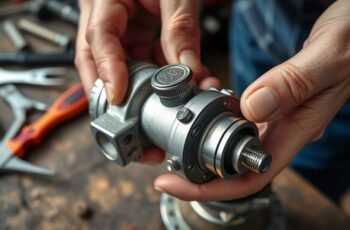
Maintaining an air compressor requires attention to detail and adherence to best practices, yet many operators overlook critical steps that can compromise system performance. From neglecting routine inspections to using incompatible parts, these mistakes often lead to costly downtime and safety hazards. Understanding common pitfalls is essential for ensuring reliable operation, but even experienced technicians can fall into these traps without a clear process. Let’s explore where things often go wrong and how to prevent them.
Key Takeaways
- Neglecting regular inspections, cleaning, and timely part replacements leading to increased wear and unexpected failures.
- Failing to monitor and maintain proper lubrication, filters, and moisture drainage, causing efficiency loss and component damage.
- Using incompatible or low-quality parts that do not meet manufacturer standards, risking leaks, malfunctions, and safety hazards.
- Overlooking safety checks, belt and hose conditions, and pressure relief valve testing, risking system safety and reliability.
- Poor maintenance planning resulting in unplanned outages, higher repair costs, and reduced equipment lifespan.
Why Regular Maintenance Is Crucial for Air Compressors
Regular maintenance is crucial for guaranteeing the reliable operation and longevity of air compressors. Proper upkeep directly impacts energy efficiency by optimizing component performance and reducing power consumption. When filters, belts, and valves are regularly inspected and maintained, the compressor operates with minimal energy waste. Additionally, routine maintenance plays an important role in noise reduction; well-maintained components generate less mechanical noise, creating a safer and more comfortable work environment. Failing to perform scheduled checks can lead to increased wear, inefficiency, and excessive noise levels. By adhering to a strict maintenance schedule, we can assure the compressor runs smoothly, consumes less energy, and operates quieter, consequently enhancing overall system performance and extending equipment lifespan.
Common Mistake: Ignoring Regular Oil Changes and Lubrication
Neglecting timely oil changes and lubrication can considerably impair an air compressor’s performance and lifespan. Insufficient lubrication increases component wear, elevates noise levels, and compromises air quality by allowing contaminants to circulate. Regular oil maintenance guarantees ideal friction reduction and heat dissipation, maintaining system efficiency.
| Maintenance Aspect | Impact of Neglect | Recommendation |
|---|---|---|
| Oil Changes | Increased wear, higher noise, degraded air quality | Replace oil as per manufacturer specs |
| Lubrication Levels | Reduced component life, increased energy consumption | Monitor and top-up regularly |
| System Monitoring | Elevated risk of failure, unsafe operation | Conduct routine inspections |
Proper lubrication keeps noise levels low, preserves air quality, and prolongs compressor longevity.
How Overlooking Filter Replacements Reduces Efficiency
Have you considered how overlooked filter replacements can substantially diminish your air compressor’s efficiency? When filters are neglected beyond their recommended lifespan, airflow obstruction occurs, impeding the compressor’s ability to draw in clean air effectively. This restriction forces the system to work harder, increasing energy consumption and reducing overall performance. Over time, accumulated debris and particulates shorten the filter’s lifespan, but ignoring timely replacements accelerates this decline. As airflow becomes obstructed, pressure drops and the compressor’s motor strains, leading to potential overheating and component wear. Regular filter inspections and replacements are vital to maintain peak airflow, minimize energy use, and ensure consistent operation. Neglecting this maintenance step compromises efficiency and can lead to costly repairs down the line.
The Pitfall of Not Draining Moisture From the Tank Properly
Failing to drain moisture from the tank properly can lead to significant operational issues and equipment damage. Moisture buildup inside the tank creates a corrosive environment that accelerates tank corrosion, compromising its structural integrity. When moisture accumulates, it reduces the compressor’s efficiency, as water in the system can cause erratic pressure fluctuations and potential damage to internal components. Regularly draining the tank ensures moisture is expelled before it can cause corrosion or interfere with compressed air quality. Neglecting this maintenance step may result in costly repairs and decreased lifespan of the compressor. Effective moisture management is crucial; consistent drainage prevents water accumulation, preserves tank integrity, and maintains ideal compressor performance over time.
Neglecting to Inspect and Replace Belts and Hoses
Regularly inspecting and replacing belts and hoses is essential to maintain compressor efficiency and prevent unexpected failures. Worn or damaged belts can cause misalignment, reduced power transmission, and increased energy consumption, impacting air compressor accessories’ performance. Hoses with cracks or leaks compromise airflow and may lead to sudden breakdowns. Neglecting these components can also increase environmental impacts through inefficient energy use and potential leaks of compressed air or lubricants. To guarantee peak operation, consider these steps:
- Check belts for fraying, cracks, or glazing.
- Replace worn belts promptly to avoid failure.
- Inspect hoses for cracks, swelling, or leaks.
- Replace damaged hoses immediately to prevent airflow loss.
Routine inspections help sustain performance, reduce downtime, and mitigate environmental impacts associated with inefficient operation.
Skipping Safety Checks and Pressure Relief Valve Testing
Neglecting to perform safety checks and pressure relief valve testing can lead to critical system failures and safety hazards. Adhering to established safety protocols guarantees that pressure testing is conducted regularly, confirming that relief valves operate correctly under maximum pressure conditions. Skipping these inspections risks undetected valve malfunctions, which could result in over-pressurization and catastrophic equipment failure. Proper pressure relief valve testing is essential for maintaining system integrity and operator safety, preventing potential injury or damage. Routine safety checks identify potential issues early, allowing for timely repairs. Failing to verify the functionality of safety devices compromises the compressor’s safety integrity, highlighting the importance of consistent, methodical safety protocols to safeguard personnel and equipment.
Failing to Monitor and Maintain Proper Operating Pressure
Maintaining correct operating pressure is fundamental to the safe and efficient performance of an air compressor. Failure to do so compromises airflow enhancement and energy efficiency, leading to increased operational costs and potential equipment damage. To guarantee proper pressure management, consider these points:
- Regularly verify pressure gauges for accuracy and consistency.
- Set pressure limits according to manufacturer specifications.
- Inspect and calibrate pressure relief valves to prevent overpressure scenarios.
- Monitor system pressure during operation, adjusting controls as needed.
Neglecting these steps can cause pressure fluctuations that reduce airflow efficiency and increase power consumption. Consistent monitoring and maintenance of operating pressure ensure ideal airflow, minimize energy waste, and extend the lifespan of your compressor.
Ignoring Unusual Noises or Vibrations During Operation
Unusual noises or vibrations during compressor operation often indicate underlying mechanical issues that require prompt attention. Effective noise diagnosis and vibration analysis are essential for early problem detection. Unusual sounds, such as banging, screeching, or rattling, may signal misaligned components, bearing wear, or airflow obstructions. Vibrations, if unaddressed, can lead to accelerated component fatigue or failure. By systematically analyzing these symptoms, we can pinpoint the root cause—whether it’s loose mounting bolts, damaged pistons, or imbalance in rotating parts. Ignoring these signs increases the risk of more severe damage and costly repairs. Regularly monitoring noise levels and vibration patterns allows for timely maintenance, ensuring ideal compressor performance and longevity.
The Risks of Using Incorrect or Unverified Parts for Repairs
Using incorrect or unverified parts can compromise compatibility, leading to improper fit and function. Poor quality components may fail prematurely, reducing system durability and increasing maintenance costs. Additionally, mismatched or substandard parts risk damaging the compressor’s internal mechanisms, causing costly repairs.
Compatibility Concerns
Have you ever considered the dangers of installing incorrect or unverified parts in your air compressor? Compatibility concerns can lead to operational failures and safety risks. Using incompatible components, such as sensors or valves, can result in misaligned sensor calibration, causing inaccurate pressure readings or system shutdowns. Specifically, the risks include:
- Sensor mismatches that compromise calibration accuracy.
- Incorrect fittings leading to leaks and pressure drops.
- Unverified parts that may not meet manufacturer specifications.
- System incompatibilities causing unexpected downtime or damage.
Each of these issues underscores the importance of verifying parts before installation, ensuring they align with the compressor’s technical requirements. Proper compatibility safeguards reliable operation, preserves sensor calibration, and minimizes costly repairs.
Quality and Durability
Installing incorrect or unverified parts not only risks compatibility issues but also directly impacts the quality and durability of your air compressor. Using low-quality or incompatible components can degrade air quality by introducing contaminants or inconsistent airflow, which compromises overall system performance. Poor part selection accelerates wear on critical components, reducing compressor lifespan and leading to frequent failures. Additionally, substandard parts may lack proper sealing or corrosion resistance, causing leaks and contamination that further diminish air quality. These issues often result in increased maintenance costs and downtime. To guarantee peak performance, always use manufacturer-approved parts designed for your specific model, maintaining high air quality standards and extending the compressor’s operational life. Proper part selection is essential for long-term reliability and efficiency.
Potential System Damage
When incorrect or unverified parts are introduced into an air compressor system, the risk of severe damage increases considerably. Using incompatible components can compromise air quality, leading to contaminated or inconsistent output. Poor-quality parts may also cause pressure fluctuations, overheating, or mechanical failure. To mitigate these risks, consider:
- Matching specifications: Always verify parts meet manufacturer standards.
- Assessing compatibility: Ensure parts are compatible with your specific compressor model.
- Prioritizing quality: Invest in high-quality, certified components to prevent premature failure.
- Enhancing operator training: Proper training reduces errors in part selection and installation, safeguarding system integrity.
Neglecting these steps can lead to costly repairs, downtime, and safety hazards. Maintaining ideal air quality and system reliability hinges on the use of verified parts and well-trained operators.
How Poor Maintenance Planning Can Lead to Costly Downtime
Poor maintenance planning can markedly increase the risk of unexpected compressor failures, leading to costly downtime. Without a structured schedule, essential tasks like filter replacements and lubrication are often overlooked, compromising air quality and system performance. Poor planning also hampers the ability to monitor and optimize energy efficiency, resulting in higher operational costs. When maintenance is reactive rather than proactive, minor issues escalate into major failures, causing unplanned outages and extended shutdowns. These outages not only disrupt production but also incur significant repair expenses. Effective maintenance planning ensures timely inspections, cleanings, and part replacements, preserving air quality and maximizing energy efficiency. By prioritizing structured schedules, we minimize downtime, improve compressor longevity, and reduce overall operational costs.
Frequently Asked Questions
How Often Should Air Compressor Maintenance Be Scheduled?
We suggest scheduling air compressor maintenance every 3 to 6 months, emphasizing regular lubrication schedules and filter replacements; this guarantees peak performance, prevents breakdowns, and extends equipment lifespan. Always follow manufacturer-specific guidelines for best results.
What Are Signs of a Failing Air Compressor?
We notice signs of a failing compressor through unusual noises, overheating, and decreased airflow, often caused by lubrication issues or filter clogging. Regular checks reveal these symptoms early, ensuring peak performance and preventing costly breakdowns.
Can Improper Maintenance Void the Compressor Warranty?
Yes, improper maintenance can void warranty coverage, as manufacturers often specify adherence to maintenance schedules. Failure to comply may lead to maintenance penalties, reducing or eliminating warranty benefits, emphasizing the importance of following recommended upkeep procedures meticulously.
How Do Temperature Fluctuations Affect Compressor Maintenance?
Temperature impact and fluctuation effects can wreak havoc on compressors, causing thermal stress and component wear. We see it all the time—ignoring these fluctuations leads to overheating, reduced efficiency, and costly repairs, emphasizing meticulous temperature regulation for peak performance.
What Safety Precautions Should Be Taken During Maintenance?
We always wear protective gear like gloves and eye protection during maintenance, and guarantee emergency procedures are clear and accessible, prioritizing safety to prevent accidents and respond effectively if hazardous situations arise during compressor servicing.
Conclusion
Think of maintaining your air compressor like tending a delicate symphony. Each part plays a crucial note, and neglecting one can throw the entire performance off. Regular inspections, timely fluid changes, and proper part replacements guarantee harmony and efficiency. When we overlook these details, it’s like letting a single instrument go out of tune—disrupting the whole. Diligence in maintenance preserves your system’s symphony, delivering peak performance and longevity.