Maintaining a reciprocating air compressor is critical for ensuring efficiency and preventing costly failures, yet many overlook the subtle signs of wear that can compromise performance. Proper maintenance involves more than routine checks; it requires a systematic approach to inspecting components, diagnosing issues early, and adjusting settings precisely. Understanding these technical nuances can considerably extend your compressor’s lifespan, but identifying the right procedures can be complex—making it essential to follow a thorough maintenance guide.
Key Takeaways
- Regularly inspect and replace compressor oil and filters to ensure optimal lubrication and airflow.
- Conduct vibration and noise analysis to detect early mechanical issues and prevent failures.
- Verify and adjust pressure settings using calibrated gauges according to manufacturer specifications.
- Inspect and maintain cylinders and pistons to prevent uneven wear and ensure efficient operation.
- Follow a preventive maintenance schedule including lubrication, safety protocols, and proactive part replacement.
How to Inspect and Replace Compressor Oil and Filters
Regular inspection and timely replacement of compressor oil and filters are essential for maintaining ideal compressor performance and preventing costly downtime. Monitoring oil viscosity guarantees peak lubrication; if oil becomes too thin or thick, it impairs component wear and heat dissipation. Regular checks help confirm oil maintains proper viscosity levels suited for operational conditions. Additionally, filter efficiency directly impacts system cleanliness and performance. Clogged or dirty filters restrict airflow, increasing pressure drop and reducing compressor efficiency. Replacing filters promptly maintains proper airflow and prevents contaminants from damaging internal components. Consistent evaluation of both oil quality and filter condition allows for precise maintenance, minimizes the risk of unexpected failures, and guarantees the compressor operates within its designed parameters. Proper attention to these elements sustains reliable, efficient compressor operation.
Diagnosing and Troubleshooting Common Compressor Issues
Identifying and resolving common compressor issues requires a systematic approach to diagnosis and troubleshooting. We begin with vibration analysis, which helps detect misalignments, imbalance, or worn bearings by analyzing vibration patterns. Sudden increases in vibration levels often indicate component failure. Noise diagnosis complements this process; unusual or excessive noise signals issues such as cavitation, loose parts, or damaged valves. Precise identification of noise sources allows us to target specific components for inspection. Combining vibration analysis with noise diagnosis provides an all-encompassing understanding of the compressor’s mechanical health. By systematically monitoring these indicators, we can pinpoint problems early, minimize downtime, and prevent further damage, ensuring reliable operation and extending equipment life.
Regularly Checking and Adjusting Pressure Settings
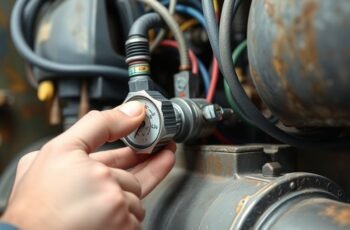
Maintaining ideal pressure settings is essential for ensuring the efficiency and longevity of reciprocating air compressors. Regularly checking and adjusting pressure settings helps maintain pressure stability, preventing fluctuations that can strain components and reduce performance. We recommend using calibrated gauges for accurate readings and adhering to manufacturer specifications. Consistent pressure levels also support safety protocols by minimizing the risk of over-pressurization, which can lead to equipment failure or safety hazards. Adjustments should be made systematically, ensuring the pressure relief valve and regulator are functioning correctly. Monitoring these parameters routinely allows early detection of deviations, enabling prompt corrective actions. This proactive approach not only optimizes compressor operation but also extends its service life, safeguarding personnel and maintaining operational integrity.
Maintaining the Cylinder and Piston for Optimal Performance
To guarantee the cylinder and piston operate at peak efficiency, it’s essential to implement systematic maintenance procedures that address wear and contamination. Proper cylinder lubrication reduces piston wear and minimizes friction, extending component lifespan. Regular inspection for signs of piston scoring or uneven wear helps prevent catastrophic failure. Ensuring the lubrication system functions correctly maintains ideal film thickness, preventing metal-to-metal contact.
| Aspect | Importance |
|---|---|
| Cylinder Lubrication | Prevents piston wear and reduces friction |
| Piston Wear | Indicates the need for timely intervention |
| Contamination Control | Avoids abrasive damage |
| Inspection Frequency | Ensures early detection of issues |
Consistent attention to these factors guarantees reliable, efficient compressor operation and prolongs service life.
Implementing a Preventive Maintenance Schedule for Longevity
Implementing a thorough preventive maintenance schedule is essential for extending the operational lifespan of reciprocating air compressors. Effective scheduling ensures consistent application of lubrication techniques, which reduces wear and prevents component failure. Regular lubrication, combined with monitoring oil quality and levels, maintains ideal friction reduction and heat dissipation. Equally important are safety protocols, which safeguard personnel and equipment during maintenance activities. These protocols include lockout/tagout procedures, proper handling of compressed air, and adherence to manufacturer guidelines. A systematic approach allows us to identify potential issues early, schedule timely inspections, and replace worn parts before catastrophic failure occurs. By integrating lubrication techniques with strict safety protocols into our maintenance routine, we maximize compressor longevity, operational efficiency, and safety.
Frequently Asked Questions
How Often Should the Compressor Be Serviced Beyond Routine Checks?
We recommend scheduling advanced troubleshooting and thorough servicing every 6 to 12 months, depending on usage. This guarantees peak performance, proper spare parts selection, and early detection of issues, preventing costly downtime and maintaining compressor efficiency.
What Are the Signs of Imminent Compressor Failure?
We detect imminent compressor failure through vibration analysis revealing unusual patterns and temperature monitoring showing abnormal heat levels, indicating mechanical stress or wear. These signs help us act early, preventing costly breakdowns and ensuring reliable compressor operation.
How Do Environmental Conditions Affect Compressor Maintenance?
Environmental conditions considerably influence compressor maintenance by affecting operational efficiency and causing wear. We monitor temperature, humidity, and dust levels, adjusting maintenance schedules accordingly to mitigate environmental impact and guarantee ideal performance.
Are There Specific Lubricants Recommended for Different Compressor Models?
Like a tailored suit fitting perfectly, selecting the right lubricant is essential; synthetic lubricants offer superior stability, while mineral oils may suit older models. Compatibility guarantees maximum performance, reducing wear and extending your compressor’s lifespan.
What Safety Precautions Should Be Followed During Maintenance?
During maintenance, we follow strict safety protocols, including emergency procedures and wearing personal protective equipment, to prevent accidents. We analyze risks carefully, ensuring proper lockout/tagout procedures are followed, maintaining a safe environment for all personnel involved.
Conclusion
In wrapping up, consistent maintenance keeps our compressor humming like a finely tuned engine rather than a rusted relic. By adhering to these proven steps—monitoring oil, diagnosing issues early, and sticking to a schedule—we guarantee reliability and extend its lifespan. Think of maintenance as the heartbeat of your compressor; neglect it, and performance falters. Stay vigilant, keep systems calibrated, and your compressor will serve you faithfully, like a trusted workhorse in the machinery stable.