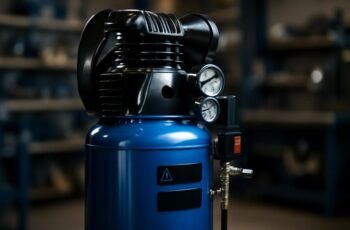
When selecting an air compressor, understanding the nuances of efficiency is critical for optimizing energy use and controlling operational costs. We recognize that different compressor types and maintenance practices considerably impact performance, and making informed choices requires a detailed comparison of models and their long-term implications. As we explore the key factors influencing efficiency, we’ll uncover insights that can help you identify the most effective solutions for your specific needs, ensuring reliable and cost-efficient operation.
Key Takeaways
- Compare compressor types (rotary screw, reciprocating, scroll) for their operational efficiency and maintenance needs.
- Evaluate energy consumption factors such as load management, lubrication, and inlet air quality.
- Assess noise reduction features and design elements that influence heat dissipation and vibration.
- Consider long-term costs related to lubrication, maintenance, and energy use for different models.
- Match compressor capacity and features to specific operational demands to maximize efficiency.
Understanding How Different Types of Air Compressors Affect Efficiency
While selecting an air compressor, understanding how different types influence efficiency is essential. The compressor’s design impacts both lubrication needs and noise levels, which directly affect operational efficiency. For example, rotary screw compressors provide continuous operation with minimal lubrication intervals, reducing downtime and energy waste. Conversely, reciprocating compressors require more frequent compressor lubrication, leading to increased maintenance and potential inefficiencies. Noise levels also vary considerably; scroll compressors operate more quietly, enhancing work environments and reducing energy costs associated with noise mitigation. Recognizing these differences helps us evaluate how each compressor type manages heat dissipation, mechanical wear, and vibration—all factors that influence overall efficiency. A thorough understanding of these technical aspects ensures ideal selection aligned with operational demands and energy performance goals.
Key Factors That Influence an Air Compressor’s Energy Consumption
The energy consumption of an air compressor is primarily influenced by several interconnected factors that determine its operational efficiency. Maintenance practices play a vital role; proper lubrication, filter cleaning, and component checks prevent unnecessary energy waste. Noise reduction strategies, such as soundproof enclosures and vibration dampers, also contribute by minimizing mechanical inefficiencies. Additionally, operating parameters like load management, pressure settings, and inlet air temperature markedly impact energy use.
| Factor | Impact on Efficiency | Optimization Strategy |
|---|---|---|
| Maintenance | Prevents energy loss | Regular servicing, filter changes |
| Noise reduction | Reduces mechanical strain | Acoustic enclosures, dampers |
| Operating parameters | Affects load and pressure | Proper calibration, control systems |
| Component quality | Ensures minimal energy waste | Use high-efficiency parts |
| Inlet air quality | Impacts compressor workload | Filtration and cooling systems |
Comparing Energy Efficiency Across Common Compressor Models
When evaluating different compressor models, comparing their energy efficiency provides valuable insights into long-term operational costs and performance. We analyze key distinctions such as lubrication systems, which directly impact energy consumption and maintenance needs. For example, oil-lubricated compressors often operate more smoothly, reducing friction losses, whereas oil-free models tend to be less efficient but require less maintenance. Noise reduction features also influence efficiency assessments, as quieter models typically incorporate advanced design elements that optimize airflow and minimize energy wastage. By examining these factors, we can identify models that balance effective lubrication, lower noise levels, and best energy use. This thorough comparison allows us to select compressors that deliver sustained performance while minimizing operational costs over their lifespan.
Tips for Maximizing Air Compressor Efficiency and Reducing Costs
To maximize air compressor efficiency and reduce operational costs, we must focus on optimizing system components and operational practices. Regular maintenance routines are essential; they guarantee components like filters, valves, and belts operate at peak performance, minimizing energy waste. Implementing routine checks for leaks and pressure drops prevents compressor overloads, which can considerably increase energy consumption. Noise reduction strategies also contribute to efficiency; quieter compressors often operate more smoothly, indicating fewer mechanical issues and less energy loss. Soundproof enclosures, vibration damping, and proper alignment of moving parts reduce operational noise and improve overall efficiency. By maintaining equipment diligently and addressing noise issues proactively, we enhance compressor longevity, conserve energy, and lower costs, establishing a more sustainable and cost-effective compressed air system.
How to Choose the Most Efficient Air Compressor for Your Business Needs
Selecting the most efficient air compressor requires a thorough understanding of your specific operational demands and the compressor’s performance characteristics. Key factors include capacity, energy efficiency, and compatibility with your workload. To optimize long-term performance, consider maintenance scheduling to prevent downtime and guarantee peak efficiency. Noise reduction features also play a crucial role, especially in environments where sound levels impact worker safety and comfort.
When choosing, evaluate:
- The compressor’s ability to meet fluctuating demand without excessive energy use
- Features promoting ease of maintenance, reducing operational costs
- Noise mitigation options to enhance workplace safety and compliance
Being analytical about these factors helps guarantee the selected model aligns with your business needs, balancing efficiency, reliability, and environmental considerations.
Frequently Asked Questions
What Maintenance Routines Best Improve Air Compressor Efficiency?
We improve air compressor efficiency through regular lubrication practices to reduce wear and optimize performance, alongside diligent filter maintenance to prevent blockages and guarantee clean airflow, ultimately enhancing operational reliability and energy efficiency.
How Does Ambient Temperature Impact Compressor Performance?
We investigate how ambient temperature impacts compressor performance, finding that ambient cooling and temperature regulation are essential. Higher temperatures can decrease efficiency, while proper regulation maintains ideal operation, preventing overheating and ensuring consistent, cost-effective airflow.
Are Variable Speed Drives More Cost-Effective Long-Term?
Yes, variable speed drives are more cost-effective long-term due to favorable cost analysis and recent technological advancements. They optimize energy consumption, reduce operational costs, and adapt to demand fluctuations, making them a smart investment for efficient, adaptive compressor systems.
How Does Load Variability Affect Compressor Energy Use?
They say, “A chain is only as strong as its weakest link.” Load fluctuation considerably impacts energy consumption; when demand varies, compressors work harder, increasing energy use, highlighting the importance of efficient load management to optimize performance.
What Are Common Signs of Inefficient Compressor Operation?
We notice signs like excessive vibration analysis and oil contamination, indicating inefficient compressor operation. These issues suggest mechanical imbalances or lubrication problems, prompting us to conduct thorough inspections and maintenance to optimize performance and energy efficiency.
Conclusion
Just as a finely tuned engine maximizes performance with precision, selecting and maintaining the right air compressor optimizes energy efficiency and operational reliability. By understanding the nuances of compressor types, key performance factors, and proactive management strategies, we can guarantee sustainable savings and reduced downtime. In the pursuit of operational excellence, informed choices today lay the groundwork for a more efficient, cost-effective tomorrow—guiding us like a compass through the complexities of air compression systems.