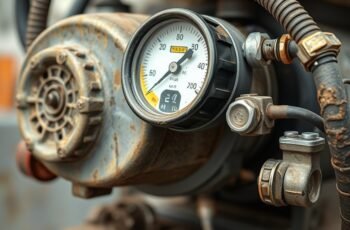
Identifying the root causes of a noisy air compressor requires systematic inspection, careful listening, and precise examination of components, connections, and internal parts. Recognizing the difference between common issues like loose fittings, worn bearings, or imbalance, and more complex problems, is essential for effective troubleshooting. We recognize the importance of clarity and accuracy in diagnosing these issues, as unresolved noise can impact performance and safety. Let’s explore the key steps to diagnose and resolve compressor noise effectively.
Key Takeaways
- Inspect for loose bolts, fittings, or mounting components and tighten to reduce vibrations and noise.
- Check and replace worn or damaged bearings, pistons, or valves to prevent internal mechanical noise.
- Identify air leaks using soapy water or visual inspection and repair to eliminate hissing sounds.
- Ensure proper lubrication and clean cooling fins to prevent overheating and excessive operational noise.
- Seek professional diagnosis if noise persists after routine maintenance or if internal parts show signs of damage.
What Causes Noise in Air Compressors?
Noise in air compressors primarily results from mechanical vibrations and airflow turbulence within the unit. These vibrations occur due to unbalanced rotating components or worn bearings, which amplify air compressor noise. Turbulence arises when air moves rapidly through restricted passages or when internal components, such as valves or pistons, aren’t functioning at their best. Regular compressor maintenance is essential to minimize these issues, as neglect can lead to increased noise levels. Properly lubricated and aligned parts reduce vibration, while clean, unobstructed airflow pathways lessen turbulence. Identifying the root causes of noise involves examining mechanical parts for looseness, wear, or damage. Maintaining the compressor’s internal components not only enhances efficiency but also considerably reduces operational noise, ensuring safer and quieter operation.
How to Identify Basic Mechanical Issues?
To effectively troubleshoot mechanical issues in an air compressor, we need to start by inspecting its key components for signs of wear, looseness, or damage. Elevated air compressor noise levels often indicate underlying mechanical component wear, such as worn bearings, pistons, or valves. We should listen for irregular sounds, which can reveal misalignment or imbalance, and visually inspect for excessive vibration or loosened bolts. Mechanical component wear manifests as scoring, pitting, or deformation on moving parts, reducing efficiency and increasing noise. Checking these elements systematically helps identify the root causes of noise and mechanical faults. Precision in inspection ensures we pinpoint issues early, preventing further damage and maintaining peak compressor performance.
Checking for Air Leaks and Hissing Sounds
When diagnosing air compressor issues, detecting air leaks and hissing sounds is essential, as these often indicate a loss of compressed air and reduced efficiency. To identify leaks, listen for hissing noises near fittings, valves, or the air filter, which may allow air to escape. Visually inspect hoses and connections for cracks or wear. An air filter clogged or dirty can cause abnormal airflow that may generate audible leaks or electrical noise, signaling internal pressure loss. Use soapy water on suspected leak points; bubbling confirms leaks. Remember, continuous hissing or unexpected electrical noise can point to compromised seals or loose fittings. Precise detection of these sounds and leaks helps maintain compressor performance and prevents further mechanical issues.
Inspecting Compressor Fins and Cooling Systems
Regularly inspecting the compressor fins and cooling systems is vital for maintaining ideal performance and preventing overheating. Compressor fin maintenance involves checking for dirt, debris, or corrosion that can obstruct airflow, reducing cooling efficiency. During cooling system inspection, confirm fins are straight and free of damage, as bent fins impair heat dissipation. Clean fins using a soft brush or compressed air, avoiding abrasive materials that could cause damage. Verify that cooling fans operate correctly and that airflow pathways are unobstructed. Proper heat exchange is critical for compressor longevity and noise reduction. Neglecting these inspections can lead to increased operating temperatures, reduced efficiency, and potentially costly failures. Consistent maintenance of the compressor fins and cooling system ensures excellent thermal regulation and quieter operation.
How to Diagnose Vibrations and Unusual Rattling?
To diagnose vibrations and rattling, we start by checking for loose components that may be causing instability. Next, we inspect the mounting bases for secure attachment and proper alignment. Finally, we examine the belt tension to identify any slack or wear that could lead to irregular movement or noise.
Check For Loose Components
Vibrations and unusual rattling often indicate loose components within the air compressor assembly. These issues can compromise vibration dampening and noise insulation, resulting in increased operational noise. To diagnose, we recommend inspecting key areas for looseness:
- Bolts and nuts on the compressor head and mounting brackets
- Connection points between hoses and fittings
- Fasteners securing the motor and pulley assemblies
- Housing panels and covers for any disengagement
Tighten any loose fasteners with appropriate tools, ensuring they are secure without over-tightening. Confirm that vibration dampening pads or mounts are intact and properly positioned. Addressing these loose components reduces unwanted vibrations, improves noise insulation, and enhances overall compressor stability and performance. Regular inspection is essential to maintain best operation and noise control.
Inspect Mounting Bases
When diagnosing vibrations and rattling noises in an air compressor, inspecting the mounting bases is an essential step. We focus on evaluating mounting stability to assure the compressor is securely anchored, preventing excessive movement that can cause noise. Check for any loosened bolts, worn or damaged mounting pads, and signs of shifting or uneven positioning. Proper vibration isolation is critical; it minimizes the transfer of vibrations to surrounding structures, reducing noise levels. Look for deteriorated isolators or missing pads that compromise this function. Tighten or replace components as needed to restore stability. Confirm that the compressor sits level and stable, as uneven mounting can amplify vibrations and rattling. Accurate inspection of mounting bases helps eliminate a primary source of noise and enhances operational quietness.
Examine Belt Tension
After verifying the mounting bases, the next step is to examine the belt tension. Proper belt tension is vital to minimize compressor noise and prevent vibrations or rattling. During belt inspection, look for signs of slack or excessive tightness. A loose belt can cause slippage and rattling, while an overly tight belt may strain bearings and increase noise. Use a tension gauge or press down on the belt midpoint to check deflection; it should be within manufacturer specifications. Also, inspect for cracks, fraying, or glazing on the belt surface, which indicate wear. Confirm that pulleys are aligned and free of debris. Regular belt inspection guarantees ideal operation and reduces noise-related issues in your compressor system.
What Role Do Bearings and Moving Parts Play?
Bearings and other moving parts are fundamental components that facilitate the smooth operation of an air compressor. Bearings support rotating shafts, reducing friction and enabling efficient movement of moving components. Over time, bearings wear due to continuous use, which can lead to increased noise and vibration. Worn bearings often produce grinding or squealing sounds, signaling potential failure. Moving components, such as pistons and crankshafts, rely on these bearings for alignment and smooth motion. If bearings degrade, the resulting imbalance or misalignment can cause excessive wear on other parts and generate noise. Proper maintenance, including inspection for signs of bearing wear, is essential to prevent noise issues and guarantee that the moving parts operate seamlessly. Understanding their role highlights the importance of monitoring these components for peak compressor performance.
Ensuring Proper Oil Levels and Lubrication
Maintaining proper oil levels and guaranteeing effective lubrication are critical for ideal compressor operation. Correct oil levels prevent insufficient lubrication and reduce wear on moving parts, while proper lubricant viscosity ensures maximum film strength. To achieve this:
- Regularly check oil levels using sight glasses or dipsticks, topping up as needed.
- Utilize high-quality oil filtration systems to remove contaminants and prevent abrasive wear.
- Adjust lubricant viscosity based on ambient temperature, guaranteeing it remains within manufacturer specifications.
- Schedule routine oil changes to maintain lubrication efficiency and prevent degradation that can cause noise or damage.
Consistent monitoring of oil filtration and viscosity helps minimize noise caused by inadequate lubrication, extending compressor lifespan and ensuring smooth, quiet operation.
How to Address Excessive Vibrations and Imbalance?
To address excessive vibrations and imbalance, we start by checking for misaligned components that can cause uneven forces. Next, we inspect the mounting base to guarantee stability and proper support. Finally, we balance rotating parts to eliminate residual imbalance and reduce operational noise.
Check for Misaligned Components
Misaligned components are a common cause of excessive vibrations and imbalance in air compressors, so inspecting and correcting alignment issues is crucial. Misaligned components can increase compressor noise and lead to further mechanical wear. To identify misalignment, check for uneven belt tension, shifted mounting points, or uneven pulley alignment.
Key steps include:
- Use a straightedge or laser alignment tool to verify shaft and pulley alignment.
- Inspect coupling connections for lateral displacement.
- Confirm that mounting brackets are properly positioned and securely fastened.
- Examine internal components for signs of wear or shifting that could cause imbalance.
Addressing misaligned components reduces vibrations, minimizes compressor noise, and prevents premature failure. Precise alignment ensures peak compressor performance and longevity, making it a critical maintenance step.
Inspect Mounting Base Stability
When excessive vibrations and imbalance occur in an air compressor, inspecting the stability of the mounting base is essential for effective troubleshooting. We focus on evaluating the mounting stability, ensuring the base is secure and free from looseness or deterioration. Any instability can amplify vibrations, leading to noise and mechanical wear. Check for cracked or uneven surfaces and verify that mounting bolts are tight and properly torqued. Consider implementing vibration damping solutions, such as isolators or pads, to absorb oscillations and reduce transmitted vibrations. Maintaining a stable mounting base minimizes resonance and mechanical stress, directly impacting noise levels. Regular inspection and maintenance of the mounting foundation are crucial for optimizing compressor performance and longevity.
Balance Rotating Parts
How can we effectively address excessive vibrations caused by unbalanced rotating parts? We start by inspecting the rotating components, such as the flywheel, crankshaft, and pulley, for signs of imbalance. To improve noise reduction and soundproofing solutions, precise balancing is essential. We recommend these steps:
- Use a dynamic balancing machine to identify imbalance points.
- Replace or re-machine out-of-balance components.
- Tighten mounting bolts and ensure proper alignment.
- Install vibration isolators to minimize transmitted vibrations.
These measures help reduce the noise generated by imbalance, improving compressor longevity and soundproofing. Addressing imbalance with technical precision ensures optimal operation, less vibration, and a quieter environment. Regular monitoring and maintenance are critical for sustained noise reduction and effective troubleshooting.
When to Consider Professional Repair or Replacement?
Recognizing the point at which professional repair or replacement becomes necessary is essential to maintaining ideal compressor performance and preventing further damage. If noise reduction efforts, including soundproofing techniques, no longer mitigate excessive noise or if the compressor exhibits persistent abnormal sounds, it’s time to seek expert assessment. Significant internal component wear, such as damaged pistons or valves, often requires specialized diagnostic tools beyond basic troubleshooting. Additionally, if the compressor continually overheats or experiences frequent breakdowns despite maintenance, replacement may be more cost-effective. When considering repair or replacement, prioritize technical evaluations over temporary noise suppression. Professional intervention ensures precise diagnosis, maximum noise mitigation strategies, and safeguards against secondary damage, ultimately extending the lifespan and efficiency of the compressor system.
Tips for Preventing Future Noisy Compressor Problems
Regular maintenance and proactive inspection are vital for preventing future noisy compressor problems. Implementing a consistent compressor maintenance schedule guarantees early detection of issues that contribute to air compressor noise mitigation. Regularly check for loose fittings, worn bearings, and abnormal vibrations, which can escalate noise levels if neglected. Lubricate moving parts according to manufacturer specifications to reduce friction and operational noise. Additionally, inspect and replace air filters to prevent airflow restrictions that increase compressor strain. Addressing these elements minimizes noise sources and extends equipment lifespan. Properly secured components, timely bearing replacements, and diligent filter management are essential. Adhering to a rigorous compressor maintenance schedule ultimately reduces the risk of noise-related disruptions and enhances overall operational efficiency.
Frequently Asked Questions
How Often Should I Perform Maintenance on My Air Compressor?
We recommend performing maintenance every 3 to 6 months, adhering to lubrication schedules and conducting vibration monitoring. Regular checks guarantee peak performance, reduce noise, and prevent potential failures, keeping your compressor running smoothly and efficiently.
Can Environmental Factors Affect Compressor Noise Levels?
Environmental factors markedly influence compressor noise, like how wind amplifies a whisper. We use vibration dampening and acoustic insulation to minimize noise levels, ensuring ideal performance and quieter operation in diverse settings.
What Are Common Signs of Compressor Motor Failure?
We observe signs like increased vibration analysis readings and motor overheating, which indicate potential compressor motor failure. These symptoms suggest bearing wear or electrical issues, prompting us to conduct detailed diagnostics to prevent further damage.
How Can I Reduce Noise During Compressor Startup?
To reduce startup noise, we implement vibration damping techniques and install soundproof enclosures, which absorb vibrations and contain noise effectively, ensuring quieter operation during compressor startup and minimizing disturbance in your workspace.
Are There Specific Noise Levels I Should Be Concerned About?
We recommend monitoring noise levels with vibration analysis tools; excessive vibrations indicate issues. Use noise insulation around the compressor to reduce sound transmission, ensuring levels stay within acceptable standards to prevent equipment damage and comply with safety regulations.
Conclusion
In summary, regular inspection and maintenance are essential for minimizing noise and guaranteeing your compressor’s longevity. While some issues might seem minor, neglect can lead to costly repairs or downtime. We recognize it’s tempting to overlook small sounds, but proactive troubleshooting prevents escalation. Relying on professionals for complex diagnostics ensures safety and peak performance. Ultimately, diligent upkeep not only reduces noise but also extends your compressor’s service life, making it a worthwhile investment.