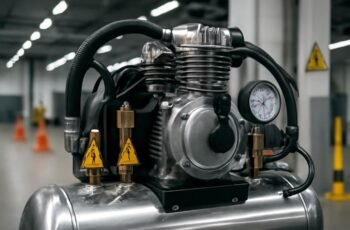
When working with air compressors, electrical safety isn’t something to take lightly. A simple mistake can lead to shocks, fires, or costly damage. Ensuring proper grounding, correct wiring, and regular inspections are critical steps that protect you and your equipment. But understanding the specific safety measures needed can be complex. Knowing what to look for and how to respond might just save you from serious hazards—so it’s worth paying close attention.
Introduction to Electrical Safety With Air Compressors
Understanding electrical safety is essential when working with air compressors because these machines rely on electrical power to operate safely and efficiently. You need to be aware of how electricity interacts with the equipment to prevent accidents.
Always read the manufacturer’s instructions carefully, and ensure the power source matches the compressor’s requirements.
Before starting work, check cords and plugs for damage, and never use damaged electrical components.
Proper grounding is crucial to prevent electrical shocks.
Keep electrical parts dry and away from water or moisture.
Use only trained personnel for electrical connections or repairs.
Following these safety principles helps protect you from electrical hazards and keeps your compressor running smoothly.
Staying alert and cautious is key to safe operation.
Common Electrical Hazards When Using Air Compressors
Electrical hazards are a significant concern when using air compressors, especially if safety protocols aren’t followed. You risk electric shock if wires are damaged or improperly connected. Overloading circuits can cause overheating, increasing fire risks.
Faulty wiring or worn insulation may lead to short circuits, posing shock and fire dangers. Using damaged cords or plugs also elevates the risk of electrical shock. Additionally, moisture exposure can cause electrical components to malfunction or short out, leading to dangerous situations.
Ignoring warning signs like sparks, burning smells, or flickering lights can result in severe accidents. Always inspect your equipment before use, ensure circuits are rated correctly, and keep electrical parts dry to minimize these hazards.
Proper awareness and maintenance are crucial for safe operation.
Proper Grounding Techniques for Air Compressors
Proper grounding is essential to ensure safe operation of your air compressor and prevent electrical hazards. To do this correctly, connect the compressor to a properly grounded outlet that matches its power requirements.
Use a grounding wire that’s securely attached to the compressor’s grounding terminal and connected to a grounding rod or a grounded building system.
Avoid using extension cords or adapting plugs that bypass grounding.
Regularly inspect grounding connections for signs of corrosion or looseness, and repair immediately if needed.
Make sure your electrical system complies with local codes and standards.
Proper grounding reduces the risk of electrical shock, equipment damage, and fire hazards, keeping you and your workspace safe during compressor operation.
Choosing the Correct Circuit Breakers and Fuses
Choosing the right circuit breakers and fuses is crucial for protecting your air compressor from electrical overloads and faults. Start by checking the compressor’s electrical specifications, including voltage, current draw, and horsepower.
Select a circuit breaker rated slightly above the compressor’s running current but within safe limits, usually 125% of the motor’s full load current. Fuses should match the motor’s rated current and interrupt capacity.
Using an undersized breaker or fuse can cause frequent trips, while oversized ones mightn’t trip during faults, risking damage. Always choose high-quality, UL-listed components designed for motor loads.
Proper selection ensures your compressor runs smoothly without risking electrical fires or equipment damage, keeping your workspace safe and your equipment protected.
Safe Wiring Practices to Avoid Electrical Fires
To prevent electrical fires, it’s essential to follow safe wiring practices when installing and maintaining your air compressor. Always use the correct gauge wire for your compressor’s power requirements and ensure connections are tight and secure.
Avoid overloading circuits by wiring your compressor to dedicated outlets, preventing excessive heat buildup. Use properly rated circuit breakers and fuses to protect against faults and short circuits.
Keep wiring organized and away from moisture, heat, or sharp objects that could damage insulation. Regularly inspect wiring for signs of wear, corrosion, or damage, and replace any compromised components immediately.
Following these practices minimizes risks and ensures safe operation, safeguarding your equipment and preventing potentially disastrous electrical fires.
How to Identify and Fix Electrical Faults
Identifying electrical faults in your air compressor is crucial for maintaining safe operation and preventing damage. Start by inspecting power cords and plugs for visible damage, such as cuts or burn marks.
Check the circuit breaker; if it trips frequently, it indicates a problem. Listen for unusual noises or observe if the compressor isn’t starting properly, which can signal wiring issues or faulty switches.
Use a multimeter to test electrical components like relays, switches, and capacitors for continuity. If you find a fault, disconnect the power before attempting repairs.
Fix minor issues by replacing damaged cords or worn-out parts. For complex problems, consult a qualified electrician to ensure proper repair and safety compliance.
Regular inspections help catch faults early and keep your compressor running smoothly.
Electrical Emergency Procedures
When you notice signs of electrical faults, such as sparks, burning smells, or the circuit breaker tripping unexpectedly, it’s vital to act quickly to ensure safety.
First, shut off the power supply immediately by switching off the circuit breaker. Don’t attempt to fix the problem while the compressor is still energized. If safe, unplug the compressor from the power source.
Keep a safe distance and avoid touching any electrical components. Use a fire extinguisher rated for electrical fires if flames or smoke appear.
Once the situation is controlled, inform your supervisor or maintenance team. Never ignore electrical issues; they can escalate into serious hazards.
Always follow established emergency procedures and ensure everyone nearby is aware of the situation. Safety comes first.
Training and Safety Protocols for Air Compressor Use
Proper training and adherence to safety protocols are essential for preventing accidents and ensuring safe operation of air compressors. You should always receive proper instruction before using the equipment, understanding how it operates, potential hazards, and emergency procedures.
Make sure you know how to inspect the compressor for damage, leaks, or faulty wiring before starting. Follow safety protocols such as wearing personal protective equipment, keeping clear of moving parts, and avoiding electrical contact with wet surfaces.
Regularly review safety guidelines and manufacturer instructions. If you’re unsure about any aspect of operation, consult a supervisor or trained professional.
Consistently applying these protocols minimizes risks, helps prevent electrical shocks, and ensures a safe working environment for everyone around the compressor.
Conclusion
By following proper electrical safety practices, you protect yourself and your equipment. Always read the manufacturer’s instructions, inspect your wiring, and ensure correct grounding. Use the right circuit breakers and keep electrical parts dry. Regularly check for damage and know emergency procedures. Staying vigilant and well-trained helps prevent accidents, fires, and shocks, keeping your work environment safe. Prioritize safety at every step when operating your air compressor to avoid costly mistakes and injuries.