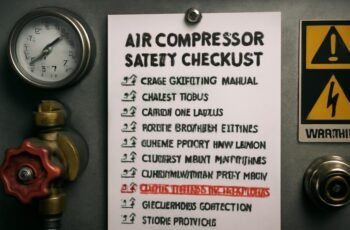
Maintaining an air compressor safely isn’t just about keeping the equipment running smoothly; it’s about protecting everyone around it. Proper procedures, regular inspections, and staff training are essential steps that can prevent accidents and costly downtime. But even with these measures in place, small overlooked details can lead to serious issues. Understanding the key safety practices can make all the difference—so, let’s explore what it takes to keep your operation safe and compliant.
Why Regular Air Compressor Maintenance Ensures Safety
Regular maintenance of your air compressor is essential because it helps identify and fix potential safety hazards before they become serious problems. When you perform regular checks, you can spot issues like leaks, worn belts, or loose fittings early on. This prevents sudden failures that could cause injuries or equipment damage.
Maintaining proper filters and draining moisture reduces the risk of corrosion and overheating. By inspecting safety valves and pressure gauges regularly, you ensure they function correctly, preventing over-pressurization.
Consistent maintenance also extends the compressor’s lifespan, saving you money in the long run. Ultimately, your proactive approach keeps the workplace safer, reducing the chances of accidents and ensuring the compressor operates efficiently and reliably.
How to Properly Shut Down and Lock Out Equipment
Have you ever considered what could happen if you don’t properly shut down and lock out equipment before maintenance? Failing to do so can lead to accidental startup, causing injuries or even fatalities.
To shut down correctly, turn off the compressor using the designated switch, then disconnect it from the power source. Next, isolate the equipment by closing all relevant valves.
Lock out the power source with a lock and tag to prevent others from turning it back on. Ensure the equipment is fully depressurized and all moving parts have come to a complete stop.
Communicate with your team about the lockout to avoid any misunderstandings. Taking these steps minimizes risks, protects everyone involved, and ensures a safe maintenance process.
Inspect Safety Devices and Emergency Shutdowns
How confident are you that your safety devices and emergency shutdown systems will activate correctly when needed? Regularly inspecting these systems is crucial to ensuring they work properly.
Check that pressure relief valves operate freely and aren’t blocked or corroded. Test emergency stop buttons to confirm they cut power immediately without delay. Inspect safety interlocks to verify they engage when safety covers are removed or doors opened.
Look for signs of wear, damage, or corrosion on sensors and control panels. Make sure warning lights and alarms are functioning clearly and audibly.
Document your inspections and any issues found. Consistent, thorough checks help prevent accidents and ensure your safety systems perform reliably in critical moments.
Safely Check for Leaks and Release Pressure
Before performing any maintenance or adjustments, you must ensure the compressor is completely depressurized and free of stored energy. Start by turning off the compressor and disconnecting it from the power source. Allow it to cool if necessary.
Next, open the drain valve to release accumulated moisture and pressure from the tank. Carefully listen for hissing sounds that indicate leaks, and visually inspect hoses, fittings, and seals for signs of air escape or damage.
Use a soap solution on connections to identify leaks—bubbles will form at the leak points. Never check for leaks or release pressure while the system is still pressurized, as this can be dangerous.
Always double-check that the pressure gauge reads zero before proceeding with any further maintenance.
Key Maintenance Steps to Prevent Accidents
Regularly performing key maintenance steps is essential to prevent accidents and ensure the safe operation of your air compressor.
First, check and replace filters regularly to keep debris out and maintain optimal performance.
Inspect the safety relief valve to ensure it releases pressure properly; a malfunctioning valve can cause dangerous pressure buildup.
Lubricate moving parts as recommended by the manufacturer to prevent overheating and reduce wear.
Tighten any loose fittings or bolts to avoid leaks or component failures.
Drain moisture from the tank frequently to prevent corrosion and water buildup.
Additionally, examine hoses and belts for signs of wear or damage, replacing them immediately if needed.
Consistent maintenance keeps your compressor running safely, reducing the risk of unexpected breakdowns or accidents.
Training Your Team on Safe Maintenance Practices
Training your team on safe maintenance practices is crucial to preventing accidents and ensuring everyone understands their responsibilities. Start with clear, hands-on training sessions that cover proper procedures, safety gear, and potential hazards. Encourage questions to clarify uncertainties and reinforce safety protocols.
Regularly review maintenance procedures and update your team on any changes or new safety standards. Assign specific roles during maintenance to promote accountability and teamwork. Emphasize the importance of reporting any unsafe conditions immediately.
Use visual aids, checklists, and demonstrations to enhance understanding. Consistent training helps build a safety-conscious culture, reduces human error, and keeps everyone prepared for safe maintenance practices. Remember, well-trained staff are your best defense against accidents and equipment damage.
Verifying Proper Lockout During Maintenance
Ensuring proper lockout during maintenance is a vital step in safeguarding your team and preventing accidental equipment startup. Before starting work, confirm that all energy sources are isolated, and lockout devices are securely in place.
Check that switches, valves, and circuit breakers are in the off position, and use lockout tags to clearly indicate the equipment is under maintenance. Never rely solely on visual confirmation; physically test the equipment to ensure it’s de-energized.
Communicate with your team about lockout procedures and verify everyone has applied their locks. This process prevents unexpected activation, reducing injury risk.
Take the time to double-check all lockout points before beginning maintenance, ensuring a safe and controlled environment for everyone involved.
Keeping Records and Ensuring Industry Compliance
Keeping detailed records of maintenance activities and inspections is essential for demonstrating compliance with industry standards and safety regulations. By documenting every service, repair, and inspection, you create a clear history that proves your commitment to safety.
These records help identify recurring issues and ensure scheduled maintenance is completed on time. They also make audits and inspections smoother, saving you time and potential penalties.
Ensure your logs include dates, descriptions of work, parts replaced, and technician notes. Regularly review your records to verify compliance deadlines are met.
Staying organized and thorough in record-keeping not only protects your team but also supports your facility’s adherence to safety standards, reducing risks and fostering a culture of accountability.
Common Mistakes to Avoid During Compressor Maintenance
One of the most common mistakes during compressor maintenance is neglecting to follow the manufacturer’s instructions carefully. Skipping steps or improvising can lead to equipment damage or safety hazards. Avoid rushing through maintenance tasks; instead, take your time to ensure each step is completed correctly.
Overlooking regular inspections or failing to replace worn parts can cause sudden breakdowns. It’s also a mistake to ignore safety protocols, such as disconnecting power before servicing.
Not using the correct tools or using damaged tools increases the risk of injury or improper repairs. Lastly, neglecting to document maintenance activities can result in missed schedules or unresolved issues.
Staying diligent, following guidelines precisely, and maintaining proper records help ensure your compressor operates safely and efficiently.
Conclusion
Regular maintenance of your air compressor isn’t just about keeping it running smoothly—it’s about safety. By following proper shutdown procedures, inspecting safety devices, checking for leaks, and training your team, you minimize risks and prevent accidents. Staying diligent with record-keeping and industry standards ensures compliance and prolongs equipment life. Prioritize safety in every maintenance task, and you’ll protect your team while keeping your compressor operating efficiently.