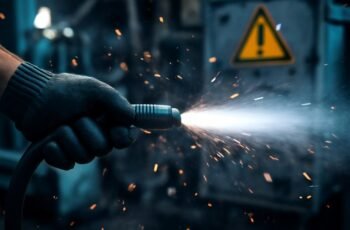
When operating air compressors, understanding the PPE requirements is essential for your safety. Proper gear protects you from hazards like high-pressure releases, flying debris, and noise. If you overlook these safety measures, you risk serious injury or health issues. So, what exactly should you wear, maintain, and how can you ensure you’re fully protected? Let’s explore the critical PPE items and best practices to keep you safe during compressor use.
Why PPE Is Critical When Operating Air Compressors
Because operating air compressors involves high-pressure systems and potential hazards, wearing proper personal protective equipment (PPE) is essential for your safety. Air compressors can release bursts of compressed air, which can cause serious injuries if not properly protected.
Flying debris, dust, and oil sprays pose additional risks, potentially leading to eye injuries or skin irritation. PPE acts as a critical barrier, reducing your exposure to these hazards.
Without proper protection, you’re vulnerable to cuts, burns, or even hearing damage from loud compressor noise. Wearing gloves, eye protection, earplugs, and respiratory masks helps prevent injuries and health issues.
Prioritizing PPE ensures you maintain safety, minimizes risks, and keeps you protected during every part of compressor operation.
How to Choose the Right PPE for Air Compressor Safety
Choosing the right PPE for air compressor safety involves assessing the specific hazards you’ll encounter and selecting gear that offers adequate protection.
Start by identifying potential risks, such as flying debris, high-pressure leaks, or loud noise.
For flying debris, wear safety glasses or goggles that fit snugly and resist impact.
If there’s a risk of high-pressure leaks, choose gloves made from durable, fluid-resistant materials.
To protect your hearing, select earplugs or earmuffs that effectively reduce noise levels.
Consider the environment as well—if you’ll be exposed to dust or fumes, use respiratory protection like masks or respirators.
Always ensure your PPE fits well and is rated for the hazards present.
Proper selection and fit are critical for maintaining safety during compressor operation.
Essential PPE Items for Air Compressor Operators
When operating an air compressor, wearing the right PPE is essential to protect yourself from common hazards. You should always wear safety goggles or glasses to shield your eyes from flying debris or compressed air sprays.
Hearing protection, like earplugs or earmuffs, is crucial since compressors can generate loud noise damaging your hearing over time.
A sturdy pair of gloves helps protect your hands from sharp edges, hot surfaces, or accidental contact with moving parts.
Additionally, wearing a durable, long-sleeved shirt and pants prevents skin injuries from flying particles or accidental contact with hot surfaces.
Steel-toed boots provide foot protection from heavy objects or slips.
These PPE items are vital for maintaining safety and reducing injury risks while operating an air compressor.
Proper Maintenance and Inspection of PPE
To ensure your PPE remains effective, you must regularly maintain and inspect your equipment. Start by checking for any signs of damage, such as tears, cracks, or worn-out straps.
Clean your PPE according to manufacturer instructions to remove dirt, oil, or debris that could compromise its integrity.
For respirators, inspect filters and replace them if they’re clogged or expired.
Helmets, gloves, and eye protection should be examined for cracks, discoloration, or compromised materials.
Ensure all straps and fasteners are secure and functioning properly.
Store PPE in a clean, dry place away from direct sunlight or chemicals.
Regular inspections and maintenance help prevent failure during use, keeping you safe and compliant with safety standards.
Training Tips to Ensure PPE Compliance
Effective training is crucial to ensure that workers understand the importance of PPE and how to use it properly. Start with clear, step-by-step demonstrations of PPE donning and doffing procedures.
Reinforce the significance of wearing PPE every time you operate or work near an air compressor. Use real-life scenarios to highlight potential hazards and how PPE can prevent injuries.
Encourage questions and active participation to boost understanding. Regularly review PPE requirements and update training sessions as needed.
Visual aids, such as posters and videos, can reinforce key points. Make safety training engaging and accessible, so PPE becomes a routine part of your work process.
Consistent, practical training helps foster a safety-first mindset and ensures PPE compliance.
Common PPE Mistakes to Avoid
Even with proper training in PPE use, mistakes can still happen if you’re not careful. One common error is neglecting to inspect your PPE regularly for damage or wear. Using torn gloves or cracked safety goggles reduces protection and puts you at risk.
Another mistake is wearing the wrong PPE for the task—like using ear protection that doesn’t fit properly or neglecting to wear a face shield when dealing with high-pressure air. Additionally, some overlook proper donning and doffing techniques, which can contaminate or damage PPE.
Lastly, reusing disposable items like respirators without replacing filters or cleaning can compromise safety. To stay protected, always double-check your PPE before each use, follow safety protocols, and replace any damaged or worn equipment promptly.
FAQs About PPE and Air Compressor Safety
Have questions about PPE and air compressor safety? It’s normal to wonder what gear you need and how to stay safe.
The most important PPE includes eye protection like safety goggles, hearing protection such as earplugs or earmuffs, and respiratory masks if dust or fumes are present.
Always wear gloves when handling compressed air to prevent injuries.
Remember, PPE isn’t a one-time thing—you need to check your gear regularly for damage and proper fit.
If you’re unsure about specific safety requirements, consult your workplace safety guidelines or ask a supervisor.
Staying informed and wearing the right PPE helps prevent accidents and keeps you safe while operating air compressors.
Don’t compromise—your safety depends on it.
Conclusion
In summary, wearing the right PPE is essential for your safety when operating air compressors. Regularly inspect and maintain your gear, stay trained on proper use, and avoid common mistakes. By prioritizing your protective equipment, you not only prevent injuries but also ensure a safer, more efficient work environment. Always remember, your safety depends on your vigilance and adherence to PPE protocols—don’t take shortcuts that could put you at risk.