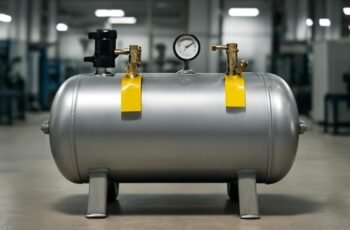
Ensuring safety when working with air compressors requires a thorough understanding of their types, potential hazards, and maintenance protocols. We must identify risk factors, implement proper protective measures, and enforce strict procedures to prevent accidents. With various compressor designs and applications, a tailored safety approach is essential. To effectively protect personnel and maintain operational integrity, it’s essential to examine core safety strategies that form the foundation of a reliable workplace safety program.
Key Takeaways
- Install clear safety signage and designate access areas to prevent accidents around high-pressure and hot surface zones.
- Conduct regular inspections for leaks, electrical issues, and equipment wear to identify hazards early.
- Ensure proper PPE usage, including gloves, eye protection, and protective headgear, during operation and maintenance.
- Routinely maintain compressors, monitor oil levels, and route hoses properly to minimize leaks and damage.
- Implement safety protocols like lockout/tagout, hazard assessments, incident reporting, and continuous safety training.
Understanding Air Compressors: Types, Uses, and Safety Risks
Understanding air compressors is essential for maintaining a safe and efficient workplace, as these devices vary considerably in design, application, and associated risks. There are several types, including reciprocating, rotary screw, and centrifugal compressors, each suited for specific uses such as powering pneumatic tools, spray painting, or industrial manufacturing. Recognizing the distinct safety risks associated with these types is crucial; for example, reciprocating compressors pose explosion hazards from pressure buildup, while rotary screw units generate heat and require proper ventilation. Proper understanding of their operational principles, maintenance requirements, and potential hazards helps prevent accidents. By selecting the appropriate compressor type for your application and adhering to safety protocols, you minimize risks and ensure reliable, safe operation within your workplace.
Preparing Your Workplace for Safe Air Compressor Operation
Have we thoroughly prepared our workspace to guarantee the safe operation of air compressors? Effective preparation involves installing clear safety signage to communicate hazards, such as high-pressure zones and hot surfaces, ensuring quick recognition during operations. We must designate access areas, keep pathways unobstructed, and implement proper ventilation to control exhaust emissions. Conducting regular emergency drills is essential to familiarize staff with shutdown procedures and emergency response protocols, minimizing risks during malfunctions or accidents. Additionally, inspecting the compressor station for leaks, loose fittings, and electrical issues ensures optimal safety and performance. By establishing these technical safeguards, we create a controlled environment that reduces hazards, promotes safety awareness, and ensures compliance with industry standards.
Essential Personal Protective Equipment for Air Compressor Safety
What personal protective equipment (PPE) is essential to guarantee safety when operating or maintaining air compressors? Proper PPE includes appropriate glove selection to guard against sharp edges, hot surfaces, and potential chemical exposure. Industrial-grade gloves with cut-resistant and chemical-resistant properties are recommended for handling compressor components and performing maintenance. Hair protection is equally critical; loose hair must be secured with protective caps or hairnets to prevent entanglement in moving parts or contact with high-pressure jets. Additionally, safety goggles or face shields should be worn to shield eyes from debris and compressed air. Using this PPE minimizes injury risks during compressor operation and maintenance, ensuring a safer work environment. Correct PPE application is a fundamental component of comprehensive air compressor safety protocols.
Best Practices for Operating and Maintaining Air Compressors
How can we guarantee safe and efficient operation of air compressors through best practices? First, regular maintenance of engineered lubrication systems ensures optimal performance and reduces wear on moving parts. It’s crucial to monitor oil levels and replace lubricants at manufacturer-recommended intervals, preventing overheating and component failure. Proper hose routing is equally important; secure, organized hoses minimize the risk of leaks, kinks, or accidental disconnections, which could lead to pressure drops or safety hazards. Conduct routine inspections for signs of wear or damage, and promptly replace worn components. Maintaining a clean, debris-free environment supports cooling and prevents contamination. Consistent adherence to these practices enhances compressor longevity, operational safety, and overall system efficiency.
Recognizing and Addressing Common Air Compressor Hazards
To ensure safety around air compressors, we must accurately identify pressure risks that can lead to catastrophic failures if improperly managed. Preventing air leaks requires vigilant inspection and immediate correction to maintain system integrity and avoid energy loss. Regular maintenance is essential to ensure all components function correctly, minimizing hazards and extending equipment lifespan.
Identifying Pressure Risks
Have we thoroughly assessed the potential pressure-related hazards associated with air compressors in our workplace? Identifying pressure risks is essential for a comprehensive risk assessment, ensuring we recognize vulnerabilities that could lead to catastrophic failures. High-pressure systems pose dangers such as ruptures, bursts, or sudden releases of compressed air, which can cause injury or equipment damage. We must evaluate pressure levels, safety valve settings, and the integrity of hoses, fittings, and tanks. Properly documenting these hazards allows us to implement targeted controls and maintenance protocols. By systematically identifying pressure risks, we can prevent over-pressurization incidents and ensure compliance with safety standards. A detailed risk assessment forms the foundation for proactive safety management, minimizing the likelihood of accidents related to pressure buildup.
Preventing Air Leaks
Identifying and addressing common air compressor hazards is essential for maintaining a safe and efficient workplace. Leak detection is critical, as even minor leaks can compromise system performance and safety. We recommend using specialized ultrasonic leak detectors or soap solution methods to precisely locate escaping air. Once detected, containment methods such as replacing worn seals, tightening fittings, or installing high-quality couplings can effectively eliminate leaks. Regular inspection of hoses, valves, and connections helps prevent unnoticed leaks that may escalate into system failures or safety hazards. Maintaining a detailed log of detected leaks and repairs ensures ongoing system integrity. By proactively managing leak detection and containment methods, we reduce energy waste, prevent pressure drops, and uphold a safer working environment.
Ensuring Proper Maintenance
Proper maintenance is the cornerstone of safe and reliable air compressor operation, as neglect can lead to a range of hazardous conditions. Implementing a strict maintenance scheduling protocol ensures routine inspections, lubrication, and component replacements are performed timely, preventing wear-related failures. Vibration monitoring plays a critical role in early fault detection, as abnormal vibrations can indicate misalignment, bearing failure, or internal imbalances. Regular analysis of vibration data allows us to identify potential issues before they escalate into catastrophic failures. Additionally, maintaining detailed records of maintenance activities and monitoring results ensures compliance with safety standards and facilitates proactive troubleshooting. By integrating comprehensive maintenance scheduling with vibration monitoring, we can significantly reduce the risk of compressor malfunctions, ensuring a safer, more efficient workplace.
Developing a Safety Protocol to Prevent Accidents and Injuries
Establishing a thorough safety protocol is essential for minimizing risks associated with air compressor operation in the workplace. A robust protocol fosters a safety culture that emphasizes proactive risk management and accountability. We recommend implementing clear procedures for hazard identification, lockout/tagout systems, and routine inspections. Training staff on proper operation and emergency response is vital to prevent accidents. Incident reporting should be streamlined, encouraging immediate documentation of near-misses and hazards to analyze root causes and improve safety measures. Regular audits ensure compliance and identify areas for enhancement. By integrating these elements, we create a resilient safety framework that reduces injury potential, promotes continuous improvement, and embeds safety as a core organizational value.
Frequently Asked Questions
How Often Should Air Compressor Safety Training Be Updated?
We recommend updating air compressor safety training annually to ensure ongoing compliance and incorporate the latest safety protocols. Regular training refreshes help staff stay vigilant, adhere to regulations, and effectively handle potential hazards, reducing workplace accidents and ensuring safety.
What Are the Signs of Air Compressor Malfunction or Failure?
We observe signs of malfunction such as unusual noises, excessive vibrations, temperature fluctuations, and pressure drops, which are clear indicators of failure. Regular inspections help us detect these issues early, ensuring safe, efficient compressor operation and preventing costly breakdowns.
Are There Specific Safety Standards for Portable Air Compressors?
Yes, portable air compressors must adhere to specific safety standards, including portable safety guidelines, rigorous maintenance protocols, and clear labeling conventions, especially when used with small drills, to prevent hazards and ensure operational integrity in diverse work environments.
How Can I Effectively Monitor Air Quality Around Compressors?
We carefully monitor air quality around compressors using advanced monitoring devices, ensuring real-time data. Our safety training emphasizes proper sensor placement and interpretation, enabling us to promptly address hazardous conditions and maintain a safe, healthy environment.
What Emergency Procedures Should Be in Place for Compressor Accidents?
We establish comprehensive emergency procedures for compressor accidents, including immediate shutdown protocols, hazard containment, ventilation, first aid response, and incident reporting, ensuring rapid, effective accident response to minimize injuries and environmental impact.
Conclusion
By adhering to these safety principles, we don’t just prevent accidents—we set a standard of excellence that safeguards every worker and ensure operational integrity. Remember, safety isn’t a mere checklist; it’s the foundation upon which reliable, efficient air compressor systems stand. When we prioritize thorough training, rigorous maintenance, and vigilant hazard recognition, we transform potential risks into managed, controlled environments—proving that safety isn’t just a goal, but the very heartbeat of our workplace.