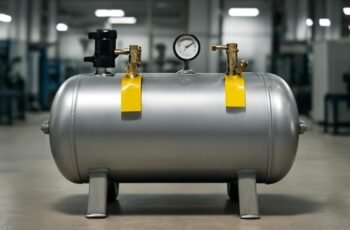
They say safety is no accident, and when it comes to air compressors, that couldn’t be more true. While these tools are essential for many tasks, improper use can lead to serious injuries or equipment damage. That’s why understanding the proper safety procedures is crucial before you operate one. By following set guidelines and remaining cautious, you protect yourself and your workspace. Let’s explore the key steps to ensure safety and avoid potential hazards.
Key Takeaways
- Always perform a pre-use inspection, checking for leaks, damaged hoses, and ensuring safety guards are in place.
- Wear hearing protection and maintain proper posture for stability during operation.
- Use the compressor within specified pressure limits and avoid bypassing safety features.
- Keep the work area clear of loose clothing or jewelry and ensure electrical connections are safe.
- Follow emergency procedures if unusual noises, leaks, or pressure issues occur, and shut down immediately.
Understanding the Basic Safety Principles of Air Compressors
Understanding the basic safety principles of air compressors is essential before operating any equipment. Safety basics include knowing how to handle the compressor properly and recognizing potential hazards. We must always ensure the compressor is in good condition, properly grounded, and used within its specified pressure limits. Noise awareness is also crucial; compressors can generate high noise levels that pose hearing risks. Wearing hearing protection and working in well-ventilated areas helps mitigate this danger. We should avoid loose clothing or jewelry that could get caught in moving parts, and never bypass safety features. Remaining cautious and informed about these safety principles helps prevent accidents and injuries, ensuring a safer working environment for everyone involved.
How to Perform a Pre-Use Inspection and Setup
Have you ever considered how a thorough pre-use inspection can prevent accidents before starting your air compressor? Performing the proper setup steps ensures safety and equipment longevity. During a pre-use inspection, we check for leaks, damaged hoses, and secure fittings. It’s crucial to verify that the pressure relief valve functions correctly and that the oil level is adequate. Inspect electrical connections for wear or damage, and ensure the compressor’s vents are clear. Additionally, confirm that the safety guards are intact and properly positioned. These setup steps help identify potential issues before operation, reducing risks. Taking time for a detailed pre use inspection is essential for safe, efficient use of your air compressor, safeguarding both personnel and equipment.
Proper Techniques for Operating Your Air Compressor Safely
To operate your air compressor safely, we must follow strict procedures that prioritize control and awareness. Maintaining proper posture awareness is essential to prevent strain or injury; stand upright, keep a stable stance, and avoid awkward positions. Always ensure you have a firm grip on the controls, and keep your movements deliberate and steady. Noise reduction is also critical—not only for safety but for comfort; use ear protection and position yourself away from the compressor’s noise source whenever possible. Keep alert to any unusual sounds or vibrations, which may indicate issues. Never bypass safety features or rush the process. Precise handling and mindfulness of your posture and environment help prevent accidents and ensure safe, effective operation.
Maintenance Tips to Keep Your Compressor Safe and Reliable
How can regular maintenance guarantee your air compressor remains safe and dependable? Consistent maintenance scheduling is essential to prevent failures and ensure smooth operation. It also helps with noise reduction, making your workspace safer and more comfortable. To maintain reliability, routinely inspect and clean air filters, drain moisture from tanks, and check for leaks. Lubricate moving parts as recommended by the manufacturer, and tighten fittings to prevent sudden discharges. Monitoring pressure levels and replacing worn components early can avoid costly breakdowns. Regularly scheduled maintenance minimizes safety hazards and prolongs the compressor’s lifespan. By prioritizing these steps, we guarantee the compressor operates quietly and safely, reducing the risk of accidents and unexpected downtime.
Troubleshooting Common Safety Concerns and Emergency Procedures
What are the most common safety concerns that can arise when operating an air compressor, and how should we respond to emergencies? Common hazards include sudden releases of compressed air, pressure vessel failure, and electrical issues. In case of a leak or unexpected noise, immediately shut down the compressor and disconnect it from power. For a pressure-related emergency, carefully vent the system and avoid contact with escaping air, which can cause injuries. Always have an emergency response plan in place, including access to first aid and emergency contact information. Regularly inspect hoses, fittings, and safety devices to prevent hazards. Remaining cautious and prepared ensures we can address safety concerns swiftly, minimizing injury risks and maintaining a safe working environment.
Frequently Asked Questions
What Personal Protective Equipment Should I Wear When Using an Air Compressor?
We wear eye protection and hearing protection when using an air compressor because safety is essential. Precautions like goggles and earplugs shield us from potential debris and loud noise, ensuring we stay safe and avoid injuries.
Can I Use an Air Compressor Outdoors in Wet Conditions Safely?
Like a lighthouse guiding ships, we advise against using an air compressor outdoors in wet conditions, as outdoor moisture and weatherproofing safety risks can lead to dangerous malfunctions. Always prioritize cautious, dry, and protected environments.
How Do I Safely Disconnect and Store the Air Compressor After Use?
We disconnect safely by turning off the compressor, releasing the pressure, and unplugging it. For storing practices, we keep it in a dry, secure place, ensuring hoses are coiled properly and the unit is protected from damage and moisture.
Are There Specific Safety Considerations for High-Pressure vs. Low-Pressure Compressors?
Imagine the burst of a balloon—high pressure risks demand strict safety, while low pressure limits your tools’ power. We stay cautious, ensuring proper handling and maintenance, respecting each compressor’s unique hazards for safe, effective use.
What Are the Signs of a Malfunction That Could Lead to Safety Hazards?
We watch for signs like unusual noises, leaks, or pressure drops, as these can indicate malfunctions that pose safety hazards. Recognizing these issues is essential for consumer awareness and avoiding malpractice implications from improper compressor use.
Conclusion
By following these safety steps, we can keep our work environment secure and our air compressors running smoothly. Think of safety as the steady anchor in a storm — it keeps us grounded even when things get tense. Let’s stay vigilant, respect the equipment, and never take shortcuts. With cautious habits and proper care, we’ll guarantee our tools serve us well without risking injury or damage. Safety isn’t just a rule; it’s our best safeguard.