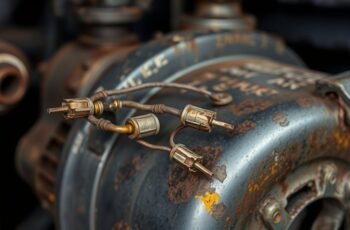
Many operators underestimate how quickly contamination and moisture buildup can impair an air compressor’s performance, often leading to costly repairs. These issues can clog components and accelerate corrosion, yet they’re frequently overlooked during routine checks. Understanding the root causes of common faults is critical for maintaining reliability. We’ll explore the most frequent problems and how to identify them early, ensuring your equipment operates efficiently and minimizes downtime.
Key Takeaways
- Contamination and moisture in filters can cause internal wear and reduce compressor efficiency.
- Lubrication system failures lead to increased friction, overheating, and premature component wear.
- Cooling issues from clogged fins or faulty fans result in overheating and damage to parts.
- Leaks around seals or fittings cause pressure loss and system inefficiency.
- Electrical faults, such as wiring issues or relay failures, can prevent compressor startup or cause shutdowns.
What Are the Most Common Air Compressor Faults?
Understanding the most common air compressor faults is essential for maintaining ideal performance and preventing costly downtime. One prevalent issue involves compromised air quality, often caused by contaminated intake filters or moisture buildup, which can reduce efficiency and damage downstream components. Additionally, failures within the lubrication system pose significant risks; insufficient or degraded lubrication leads to increased friction, excessive heat, and premature wear of moving parts. Faulty lubrication can also cause oil carryover, contaminating the air output. Regular inspection of the lubrication system and ensuring clean, dry air intake are crucial for peak operation. Addressing these core faults promptly helps maintain compressor reliability, extends lifespan, and guarantees consistent air quality, ultimately minimizing operational costs and maximizing productivity.
How Do You Identify a Faulty Air Compressor?
How can you accurately identify a faulty air compressor before it causes major downtime? Key indicators include abnormal operational signs such as oil leakage, which suggests seal or gasket failure, and unusual vibration patterns detected through vibration analysis, indicating misalignment or bearing issues. Monitoring these factors helps pinpoint faults early. Additionally, listen for irregular noises during operation, and check for inconsistent pressure levels. Regular visual inspections can reveal oil leakage around seals or fittings. Vibration analysis provides quantitative data on machine health, allowing for precise fault detection. Recognizing these symptoms promptly guarantees timely maintenance, preventing costly repairs and downtime. Incorporating systematic checks for oil leakage and vibration anomalies is essential for reliable compressor operation and longevity.
Why Does the Air Compressor Not Start?
When an air compressor fails to start, the issue often stems from power supply problems, a faulty pressure switch, or motor overload protection. These components are critical for initiating operation, and any malfunction can prevent startup. Identifying the specific cause requires careful inspection of electrical connections, switch functionality, and overload settings.
Power Supply Issues
Have you checked whether the air compressor is receiving proper electrical power? Power supply issues, such as power fluctuations or faulty electrical wiring, are common causes of startup failure. Fluctuations can prevent the compressor’s motor from receiving consistent voltage, leading to startup issues or intermittent operation. Faulty or loose electrical wiring can disrupt the flow of electricity, causing the compressor to fail to start altogether. To diagnose these issues, inspect the power cord, connections, and circuit breaker for signs of damage or loose contacts. Confirm the outlet provides stable voltage and is rated appropriately for the compressor’s power requirements. Addressing these electrical supply problems is essential for reliable compressor operation and preventing unnecessary downtime.
Faulty Pressure Switch
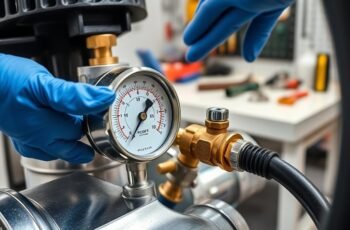
A faulty pressure switch is a common reason why an air compressor fails to start, as it plays a critical role in regulating system pressure and activating the motor. If the pressure switch is miscalibrated or malfunctioning, it may not detect the correct pressure levels, preventing the compressor from initiating. Calibration issues can arise from wear or improper adjustments, leading to incorrect pressure readings, often caused by a faulty pressure gauge. When the pressure switch does not respond accurately, it either fails to close or open the circuit at the appropriate pressure, halting compressor operation. Diagnosing these problems requires inspecting and recalibrating the pressure switch, ensuring it responds correctly to actual system pressure and that the pressure gauge provides reliable readings.
Motor Overload Protection
Motor overload protection is crucial for preventing damage to the compressor’s motor during abnormal operating conditions. When the motor experiences excessive current due to issues like lubrication problems or vibration anomalies, overload protection devices trip to safeguard the motor. Common causes include lubrication issues leading to increased friction, or vibration analysis revealing imbalance or misalignment. To diagnose, we check for:
- Insufficient lubrication causing overheating and increased current draw
- Excessive vibration signals, indicating misalignment or bearing wear
- Faulty overload relay or thermal protection devices
- Electrical faults or wiring issues affecting current regulation
Addressing these factors guarantees reliable operation, prevents motor failure, and reduces downtime. Regular inspection of lubrication and vibration patterns is essential for early fault detection and maintaining peak motor performance.
What Causes Pressure Loss in Compressors?
Pressure loss in compressors often results from a combination of mechanical issues and system inefficiencies that compromise airtightness and flow stability. Common causes include leaks, faulty valves, or improper sealing, which reduce pressure retention. Additionally, cooling system inefficiencies can lead to increased internal temperatures, impairing compressor performance. Lubrication issues, such as inadequate or contaminated oil, cause increased friction and wear, impacting airflow and pressure. These problems may be exacerbated by clogged filters or blocked intake vents, restricting airflow. Addressing these factors involves inspecting seals, valves, and lubrication systems regularly.
| Cause | Impact |
|---|---|
| Leaks and faulty seals | Decreased airtightness, pressure drop |
| Cooling system inefficiencies | Elevated temperatures, reduced performance |
| Lubrication issues | Increased friction, wear, airflow restriction |
| Blocked intake vents | Restricted airflow, pressure instability |
How Can Overheating Affect Air Compressors?
Overheating in air compressors directly impairs their efficiency and longevity by accelerating component wear and increasing the risk of failure. Elevated temperatures strain the cooling system, reducing its ability to dissipate heat effectively. Ambient temperature plays a vital role; higher outside temperatures hinder heat removal, compounding overheating issues. Consequences include:
- Seal and gasket deterioration, leading to leaks and pressure loss
- Motor and bearing damage due to thermal expansion
- Oil breakdown, reducing lubrication and increasing friction
- Reduced overall efficiency, causing increased energy consumption
Proper management of the cooling system and monitoring ambient temperature are essential to prevent overheating. Failure to do so can result in costly repairs and significant downtime, emphasizing the importance of maintaining ideal operating conditions.
What Leads to Unusual Noises During Operation?
Unusual noises during compressor operation often indicate underlying mechanical issues that require immediate attention. Vibration issues are a common cause, often resulting from misaligned or imbalanced internal components, which generate knocking or rumbling sounds. Lubrication problems also contribute greatly; insufficient or degraded lubricant causes increased friction, leading to squealing or grinding noises. These sounds may be accompanied by abnormal vibrations, signaling that critical parts like bearings or pistons are under excessive stress. Identifying the source of these noises promptly helps prevent damage to internal components and maintains compressor efficiency. Regular maintenance, including proper lubrication and alignment checks, is essential to minimize these issues and ensure smooth, quiet operation.
Why Does the Compressor Keep Shutting Off?
Compressors often shut off due to overheating, pressure switch malfunctions, or electrical faults. These issues trigger safety mechanisms or disrupt proper operation, causing frequent shutdowns. Understanding these points helps diagnose and resolve the underlying causes effectively.
Overheating Causes
When a compressor repeatedly shuts off unexpectedly, overheating is often the primary culprit. Overheating can result from lubrication issues, inadequate cooling systems, or excessive operational load. Lubrication problems, such as low oil levels or degraded oil, increase friction and heat, leading to temperature spikes. Similarly, a malfunctioning cooling system—whether due to clogged cooling fins, faulty fans, or coolant leaks—fails to dissipate heat effectively. Other causes include prolonged operation beyond design capacity or obstructed airflow around the compressor. Recognizing these factors is vital to preventing shutdowns caused by thermal overload. Regular maintenance of lubrication and cooling components helps guarantee ideal temperature regulation, reducing the risk of overheating-related faults.
Pressure Switch Issues
Pressure switch issues are a common cause of compressors shutting off unexpectedly, often linked to misadjustments or faults within the control system. An improperly calibrated pressure switch can trigger shutdowns prematurely or fail to activate the compressor when needed. Faulty pressure switch components may also cause inconsistent readings, leading to unreliable operation. To address this, we recommend verifying pressure switch calibration regularly and replacing faulty units promptly. Proper calibration ensures the switch responds accurately to pressure changes, maintaining optimal operation without unnecessary shutdowns.
| Issue | Cause | Solution |
|---|---|---|
| Compressor shuts off | Misadjusted pressure switch | Recalibrate pressure switch |
| Frequent shutdowns | Faulty pressure switch | Pressure switch replacement |
| Inconsistent readings | Dirty or damaged contacts | Clean or replace switch |
| No shutdown at set pressure | Calibration drift | Recalibrate or replace |
Electrical Faults
Electrical faults are a primary reason why a compressor might shut off unexpectedly, disrupting operation and risking damage. These issues often stem from electrical safety concerns and circuit troubleshooting errors. Common causes include faulty wiring, overloaded circuits, or malfunctioning relays.
To diagnose and prevent these faults, consider:
- Inspecting wiring connections for wear or damage
- Verifying circuit breaker capacity and trip history
- Testing relays and contactors for proper operation
- Making sure grounding and bonding are correctly implemented
Addressing electrical faults promptly is vital to avoid compressor damage and guarantee safe operation. Regular maintenance and circuit troubleshooting help identify issues early, maintaining consistent performance and preventing unexpected shutdowns.
How Do Contaminants Impact Compressor Performance?
How substantially do contaminants affect compressor performance? Contaminant buildup in the system can severely impair efficiency, leading to increased wear and potential failure. These impurities—such as dirt, oil, and moisture—obstruct airflow and interfere with internal components. Filtration challenges often arise because inadequate filters can’t fully remove these contaminants, allowing particles to circulate within the compressor. This results in clogging, accelerated component degradation, and increased energy consumption. Additionally, moisture can cause corrosion and reduce lubrication effectiveness. The cumulative effects of contamination diminish overall reliability, cause unplanned downtime, and inflate maintenance costs. Proper filtration systems are essential to minimize contaminant ingress, ensuring ideal performance and extending the lifespan of the compressor.
What Are the Warning Signs of Internal Component Failures?
Unusual noises during compressor operation often indicate internal component wear or misalignment, signaling potential failure. A noticeable decrease in air output efficiency can also suggest internal damage affecting performance. Recognizing these signs early helps prevent costly repairs and system downtime.
Unusual Noises During Operation
When an air compressor emits irregular or abnormal noises during operation, it often signals internal component failures that require immediate attention. These noises can indicate issues detectable through vibration analysis or lubrication problems. Common warning signs include:
- Rattling or knocking sounds, suggesting misaligned or loose internal parts
- Squealing or high-pitched noises, often due to lubrication issues or worn bearings
- Humming vibrations, which may point to imbalance or bearing failure
- Sudden or consistent banging, indicating internal component damage or fatigue
Recognizing these sounds early helps prevent further damage. Vibration analysis can pinpoint imbalances or misalignments, while addressing lubrication issues ensures smooth operation. Prompt diagnosis and maintenance are essential to avoid costly repairs and system downtime.
Decreased Air Output Efficiency
A noticeable decline in air output efficiency often signals internal component failures within the compressor. Lubrication issues can cause increased friction, leading to overheating and accelerated wear of pistons and cylinders, which reduces overall performance. Vibration problems are also common warning signs; abnormal vibrations may indicate misaligned or damaged internal parts, such as crankshafts or connecting rods. These issues compromise the compressor’s ability to generate consistent airflow, resulting in decreased output. Regular inspection of lubrication levels and quality, along with monitoring vibration patterns, is essential to identify early signs of internal failure. Addressing these warning signs promptly can prevent catastrophic breakdowns and restore ideal compressor efficiency.
How Can Regular Maintenance Prevent Air Compressor Faults?
Regular maintenance plays a crucial role in preventing air compressor faults by ensuring all components operate within ideal parameters. Proper upkeep maintains peak air quality, reducing the risk of contamination that can cause wear or damage. Adhering to lubrication schedules minimizes friction and prevents overheating, extending component lifespan. Regular inspections identify issues early, such as leaks or corrosion, before they escalate. Additionally, cleaning filters and checking pressure settings maintain system efficiency. By systematically monitoring key aspects like air quality and lubrication, we can prevent malfunction and unplanned downtime.
- Ensuring filters are clean to maintain air quality
- Following lubrication schedules to prevent excessive wear
- Conducting routine system inspections for leaks or corrosion
- Calibrating pressure settings regularly for maximum performance
Frequently Asked Questions
How Often Should I Perform Maintenance on My Air Compressor?
We recommend adhering to a regular maintenance schedule, typically every 3 to 6 months, and performing performance monitoring continuously, to guarantee peak operation and prevent common faults in your air compressor.
Can Environmental Factors Cause Compressor Failures?
Environmental factors greatly influence compressor reliability; exposure to moisture accelerates corrosion risks and leads to failure. We recommend controlling environmental impact through proper sealing, ventilation, and moisture management to guarantee ideal compressor performance and longevity.
What Safety Precautions Are Necessary During Repairs?
During repairs, we prioritize safety by wearing protective gear such as gloves and goggles, and following strict emergency procedures to prevent accidents. This guarantees a secure environment, minimizing risks associated with high-pressure systems and electrical hazards.
How Do Different Compressor Types Vary in Fault Susceptibility?
We find that different compressor types vary in fault susceptibility due to their design. Proper fault prevention relies on understanding these variations; for example, reciprocating compressors are more prone to mechanical issues, while rotary screw units require vigilant lubrication maintenance.
Are There Diagnostic Tools Available for Troubleshooting Compressor Issues?
We use diagnostic software and fault indicators to troubleshoot compressor issues effectively, enabling precise identification of faults. These tools provide real-time data, helping us quickly pinpoint problems and guarantee ideal compressor performance with minimal downtime.
Conclusion
In essence, maintaining our air compressors isn’t just about avoiding downtime; it’s about embracing the inevitable truth that neglect invites failure. Ironically, regular inspections and proactive care are the most reliable safeguards against the very faults we often overlook. So, while we aim for seamless operation, it seems the true mastery lies in anticipating issues before they manifest—making preventive maintenance our best, albeit understated, insurance against the unpredictable nature of machinery.