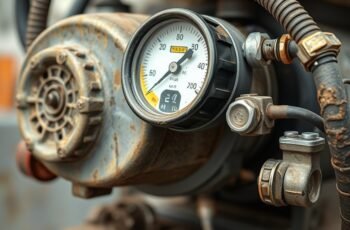
Maintaining your garage air compressor is essential for reliable performance and safety. Regular inspection, proper lubrication, and moisture management are critical components of effective upkeep. By following systematic procedures, you can prevent costly breakdowns and extend the lifespan of your equipment. Each step requires attention to detail and adherence to manufacturer guidelines. Understanding these fundamental maintenance practices will help you guarantee your compressor operates efficiently and safely over time.
Key Takeaways
- Regularly inspect and clean air filters, cooling fins, and vents to prevent overheating and ensure efficient operation.
- Drain moisture from the tank frequently to prevent rust and internal damage.
- Check oil levels and replace oil and filters as needed to maintain system performance.
- Monitor and adjust pressure settings carefully to avoid over-pressurization.
- Store the compressor in a dry, temperature-controlled area, using covers and desiccants for long-term protection.
How to Inspect and Clean Your Compressor Regularly
Regular inspection and cleaning of your garage air compressor are essential to maintain peak performance and extend its lifespan. We recommend focusing on lubrication techniques to guarantee moving parts operate smoothly, reducing friction and wear. Regularly check oil levels and apply appropriate lubricants as specified by the manufacturer, which minimizes noise and prevents component failure. Dust and debris accumulation can impair cooling and cause overheating; hence, cleaning air filters and cooling fins is critical. Proper lubrication directly contributes to noise reduction by decreasing mechanical vibrations and friction. Use compressed air or soft brushes to remove dirt from vents and external surfaces. Consistent, precise maintenance not only enhances efficiency but also prolongs your compressor’s operational life, ensuring reliable performance over time.
How to Drain Moisture From the Tank Properly
Since moisture naturally accumulates in the tank during operation, it’s crucial to drain it regularly to prevent corrosion and damage to internal components. Moisture buildup occurs as the compressed air cools within the tank, causing water to condense. To drain it properly, turn off the compressor and open the drain valve at the tank’s lowest point. Allow the moisture to evacuate completely, guaranteeing all accumulated water is expelled. Confirm that the valve is fully closed afterward to maintain system pressure. Regular drainage prevents tank corrosion, which can weaken the tank structure and lead to failure. For ideal maintenance, incorporate scheduled draining into your routine, especially in humid environments, to protect your compressor’s longevity and ensure consistent, safe operation.
How to Check and Replace Compressor Oil and Filters
Checking and replacing compressor oil and filters is essential for maintaining peak performance and prolonging the lifespan of your air compressor. Proper maintenance guarantees ideal oil viscosity, reducing wear and heat buildup. To perform this task:
- Check the oil level and condition: Use the dipstick or sight glass, ensuring the oil maintains the correct viscosity; replace it if it appears dark or gritty.
- Drain and replace compressor oil: Remove old oil via the drain valve, then refill with manufacturer-recommended oil, ensuring proper viscosity for your model.
- Perform filter replacement: Remove the old filter, inspecting for debris or clogging, then install a new one to prevent contaminants from circulating. Regular filter replacement maintains air quality and system efficiency.
How to Monitor and Adjust Pressure Settings Safely
Monitoring and adjusting pressure settings correctly guarantees that your air compressor operates efficiently and safely. Accurate pressure calibration is essential for peak performance and to prevent equipment failure. Always adhere to safety precautions, including wearing protective eyewear and disconnecting power during adjustments. To verify correct pressure levels, use a calibrated pressure gauge and verify settings periodically. When adjusting, turn the regulator slowly to avoid sudden pressure spikes.
| Step | Action |
|---|---|
| 1 | Check current pressure with an accurate gauge |
| 2 | Adjust regulator gradually to desired PSI |
| 3 | Confirm calibration with a secondary gauge |
Proper monitoring prevents over-pressurization and maintains system integrity.
How to Store and Protect Your Compressor for Longevity
Proper storage and protection of your air compressor are essential to guarantee its longevity and reliable performance. Well-organized garage space minimizes exposure to environmental factors and facilitates maintenance. To optimize storage:
- Keep the compressor in a dry, temperature-controlled area to prevent rust and condensation.
- Use appropriate compressor accessories, such as covers and desiccant dryers, to reduce moisture buildup.
- Implement a dedicated garage organization system that assures easy access and prevents accidental damage during tool storage.
Frequently Asked Questions
How Often Should I Replace the Air Compressor’s Belts?
We recommend replacing the air compressor’s belts every 12 months or when belt tension indicates excessive wear or cracking, aligning with our replacement schedule to guarantee peak performance and prevent costly breakdowns.
What Safety Gear Is Recommended When Performing Maintenance?
We strongly recommend wearing protective gloves and eye protection, as even minor mishaps can cause serious injuries. These essential safety gear items guarantee your safety during maintenance, preventing accidents and ensuring precise, secure handling of compressor components.
Can I Use Any Type of Oil for My Compressor?
You can’t use any oil; we recommend oil with suitable viscosity for your compressor model. Regular lubrication, considering lubrication frequency, guarantees ideal performance and prevents damage, so always follow the manufacturer’s specifications for oil type and change intervals.
How Do I Troubleshoot Common Compressor Startup Issues?
We troubleshoot startup issues by inspecting for excessive compressor noise, which indicates worn bearings or loose components, and checking for pressure fluctuations, signaling regulator or valve malfunctions, then performing targeted adjustments or replacements accordingly.
What Are Signs of Impending Compressor Failure?
We understand it’s concerning to face unexpected downtime; look for increased noise, overheating, or inconsistent pressure as signs of impending compressor failure. Preventative measures extend compressor lifespan, ensuring reliability and avoiding costly repairs through regular inspections and maintenance.
Conclusion
Regular maintenance is vital for maximizing your compressor’s lifespan and efficiency. Studies show that proper upkeep can reduce breakdowns by up to 50%. By inspecting, draining moisture, checking oils, and monitoring pressure, we guarantee safe operation and prevent costly repairs. Protecting your compressor in a controlled environment further extends its service life. Consistent, precise maintenance isn’t just recommended—it’s indispensable for reliable, long-term performance.