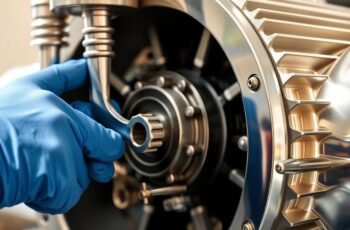
Establishing a thorough maintenance schedule for industrial air compressors is essential for maintaining peak performance and avoiding costly downtime. We recognize that regular inspections of critical components—such as filters, lubricants, belts, and leak points—are fundamental to early fault detection. By systematically planning maintenance tasks based on operational hours and environmental factors, we can proactively address issues before they escalate. As we explore the specifics of effective scheduling and troubleshooting, you’ll see how disciplined practices directly impact equipment longevity and process stability.
Key Takeaways
- Establish maintenance intervals based on usage, environment, and manufacturer guidelines for tasks like filter replacement and oil changes.
- Regularly inspect key components such as filters, belts, lubrication systems, and pressure gauges to prevent failures.
- Use real-time sensor data and historical logs to optimize maintenance schedules and predict component wear.
- Conduct routine troubleshooting by monitoring noise, leaks, pressure differentials, and temperature fluctuations.
- Train staff on proper maintenance procedures and documentation to ensure consistent performance and safety.
Understanding the Importance of Regular Air Compressor Maintenance
Regular maintenance of air compressors is essential to guarantee their peak performance, safety, and longevity. Proper upkeep directly impacts air quality by preventing contamination buildup, which can compromise the end product and damage downstream equipment. Consistent inspections and cleaning help control moisture, oil, and particulate levels, ensuring the compressed air remains clean and meets industry standards. Additionally, well-maintained compressors operate more efficiently, reducing energy consumption and lowering operational costs. Lubrication, filter replacements, and component calibration are critical tasks that maximize energy efficiency by minimizing unnecessary power draw. Maintaining ideal operating conditions not only extends equipment lifespan but also safeguards plant safety by preventing failures and leaks. Overall, a disciplined maintenance schedule is crucial for sustaining high air quality and maximizing energy efficiency in industrial applications.
Key Components to Inspect During Routine Checks
When conducting routine checks on an air compressor, we must focus on several key components that directly influence its performance and safety. Critical among these are the lubrication schedules, ensuring oil levels are adequate and oil quality remains crucial to prevent wear and overheating. Regularly inspecting the lubrication system helps avoid equipment failure due to insufficient or contaminated oil. Additionally, filter replacement is essential; we need to examine air intake filters for dirt buildup and replace them promptly to maintain airflow efficiency and prevent contaminants from entering the system. Checking for leaks, inspecting belts, and verifying pressure gauges are also necessary. These detailed inspections ensure the compressor operates smoothly, reduces downtime, and extends its service life.
Creating an Effective Maintenance Schedule: Frequency and Tasks
Establishing an effective maintenance schedule requires accurately determining maintenance intervals based on compressor usage and manufacturer recommendations. We then identify essential tasks—such as lubrication, filter replacement, and system calibration—that must be performed at each interval. Finally, continuous monitoring of compressor performance metrics allows us to adjust maintenance frequency proactively, ensuring peak operation and minimizing downtime.
Determining Maintenance Intervals
Determining appropriate maintenance intervals is essential for ensuring the reliability and efficiency of industrial air compressors. Regular assessment of key components, such as the air filter and lubrication system, helps prevent failures and optimize performance. We base these intervals on operational hours, environmental conditions, and manufacturer recommendations. For example, the air filter should be inspected every 500 hours and replaced if clogged, while the lubrication system requires oil changes every 1,000 hours. To assist, consider this schedule:
| Component | Inspection Frequency | Replacement/Service Interval |
|---|---|---|
| Air Filter | Every 500 hours | Replace if dirty |
| Lubrication System | Every 1,000 hours | Oil change and filter check |
Adhering to these intervals minimizes downtime and prolongs compressor lifespan.
Essential Maintenance Tasks
Creating an effective maintenance schedule for industrial air compressors requires identifying and executing essential tasks at appropriate intervals to guarantee peak performance and longevity. Key tasks include regularly replacing air filters to maintain ideal air quality, preventing contamination that could impair system components. Additionally, inspecting and cleaning moisture separators and drain valves ensures moisture removal, preserving compressor efficiency. Monitoring and adjusting belt tension and lubricating moving parts reduce energy consumption, enhancing energy efficiency. Checking for leaks in air lines minimizes pressure drops and maintains system integrity. Regularly inspecting control systems and sensors ensures accurate operation. These tasks directly influence air quality by reducing particulate and moisture levels, while also optimizing energy use, ultimately extending compressor lifespan and operational reliability.
Monitoring Compressor Performance
To guarantee our air compressor operates at peak efficiency, we must implement a systematic approach to monitoring its performance metrics regularly. Critical parameters include air quality, which involves checking for contamination or moisture levels that could impair system function. Consistent analysis of filter and separator performance helps maintain ideal air purity. Additionally, monitoring noise levels provides insight into bearing wear or misalignment, signaling potential mechanical issues. We should record pressure differentials and temperature fluctuations to identify inefficiencies or component degradation early. Regularly reviewing these metrics allows us to detect deviations from baseline performance, enabling proactive maintenance. This disciplined monitoring ensures the compressor runs smoothly, reduces downtime, and extends its service life through timely interventions based on precise, real-time data.
Troubleshooting Common Air Compressor Issues and When to Address Them?
While regular maintenance is essential for preventing issues, understanding how to troubleshoot common air compressor problems allows us to quickly identify and resolve system inefficiencies. Key signs include abnormal air compressor noise, which often indicates misaligned or worn-out components, and lubricant leaks, signaling seal failure or over-pressurization. When addressing issues, consider these points:
- Inspect for unusual vibrations or loud noises during operation
- Check for lubricant leaks around seals and fittings
- Verify that air filters are clean and unobstructed
- Examine pressure gauges for irregular readings
- Assess for excessive heat or abnormal cycling patterns
Timely troubleshooting helps prevent component damage, minimizes downtime, and maintains ideal compressor performance, especially when dealing with persistent noise or leaks that signal deeper system issues.
Best Practices for Replacing Parts and Performing Servicing
Performing proper part replacements and servicing on air compressors requires meticulous attention to detail and adherence to manufacturer guidelines to guarantee safety and peak performance. When replacing components like the air filter, ensure the filter housing is clean and the new filter fits securely to prevent unfiltered air from bypassing. During an oil change, drain the old oil completely, inspect the oil for contamination, and refill with the specified grade to maintain lubrication efficiency. Always verify that parts are compatible with your compressor model before installation. Tighten fasteners to specified torque levels to prevent leaks or component failure. Regularly inspect hoses and connectors for wear or cracks. Proper documentation of each service enhances future maintenance planning and guarantees consistent operational standards.
Leveraging Maintenance Logs and Monitoring Tools for Optimal Performance
By systematically analyzing maintenance logs and real-time monitoring data, we can identify patterns that predict potential equipment failures and optimize maintenance schedules. Monitoring tools enable us to track key performance indicators such as vibration, temperature, and pressure, providing early warnings of performance deviations. This approach allows us to schedule preventive actions precisely when needed, minimizing downtime and extending compressor lifespan.
Analyzing Maintenance Data
Analyzing maintenance data is essential for optimizing the performance and longevity of industrial air compressors. By systematically reviewing maintenance logs and monitoring tools, we can identify patterns that influence air quality and energy efficiency. This data-driven approach helps us pinpoint issues such as filter degradation or oil contamination, which impact air quality and compressor efficiency.
Key strategies include:
- Tracking component wear rates to schedule proactive replacements
- Monitoring pressure and temperature trends for early fault detection
- Correlating energy consumption with maintenance activities
- Evaluating filter and separator performance over time
- Analyzing downtime causes to improve reliability
Implementing these insights allows us to optimize maintenance schedules, reduce energy costs, and maintain consistent air quality, ensuring compressors operate at peak efficiency.
Monitoring Equipment Performance
Monitoring equipment performance is crucial for maintaining ideal operation of industrial air compressors, and leveraging maintenance logs alongside advanced monitoring tools enhances this process considerably. By analyzing real-time data from sensors and control systems, we can track key parameters such as air quality, pressure stability, and energy consumption. Maintenance logs provide historical insights, revealing patterns indicating potential issues before they escalate. This combined approach guarantees we maximize air quality, preventing contaminants that compromise compressor efficiency. Additionally, continuous monitoring helps identify inefficiencies in energy usage, allowing us to implement targeted adjustments that reduce operational costs. Regularly reviewing this data enables proactive maintenance, minimizes downtime, and sustains peak energy efficiency, ultimately extending equipment lifespan and maintaining excellent compressor performance.
Scheduling Preventive Actions
Effective scheduling of preventive actions relies on systematically integrating maintenance logs with real-time monitoring data to optimize compressor performance. By analyzing historical logs alongside sensor feedback, we can identify patterns indicating potential failures, enabling targeted interventions that improve energy efficiency and reduce environmental impact. Key strategies include:
- Prioritizing maintenance based on operational thresholds identified from data trends
- Using predictive analytics to forecast component wear and plan timely replacements
- Adjusting schedules dynamically in response to real-time performance deviations
- Documenting all actions to refine future maintenance planning
- Incorporating environmental sensors to monitor emissions and optimize energy use
This approach guarantees maintenance is both proactive and data-driven, minimizing downtime, lowering operational costs, and supporting sustainable practices through enhanced energy efficiency.
Tips for Training Staff and Ensuring Consistent Maintenance Compliance
To guarantee consistent maintenance compliance, we must prioritize thorough staff training that emphasizes both technical proficiency and adherence to established schedules. Effective training methodologies involve hands-on demonstrations, detailed procedural manuals, and periodic assessments to reinforce knowledge retention. Staff motivation plays a vital role; recognizing diligence and providing ongoing education encourages accountability. We should foster a culture where technicians understand the importance of routine maintenance in preventing costly failures. Clear documentation of training progress and compliance metrics helps identify gaps and track improvement. Regular refresher courses ensure skills stay current, while open communication channels allow staff to ask questions and report issues promptly. By integrating these strategies, we can sustain high maintenance standards, minimize downtime, and extend the lifespan of the air compressor system.
Frequently Asked Questions
How Do Temperature Fluctuations Affect Air Compressor Performance?
Temperature effects can cause fluctuations in compressor efficiency, as high temperatures lead to overheating, reducing performance and increasing wear, while low temperatures may cause condensation issues, affecting overall reliability and potentially damaging internal components.
What Safety Precautions Are Necessary During Maintenance?
During maintenance, we prioritize safety by wearing personal protective equipment and strictly following lockout/tagout procedures, ensuring all power sources are isolated before inspection or repair, preventing accidental startup and minimizing risk of injury or equipment damage.
Are There Eco-Friendly Maintenance Options Available?
Yes, we use eco-friendly lubricants and sustainable filtration systems to minimize environmental impact. These options reduce emissions and waste, ensuring efficient compressor operation while supporting sustainable practices and complying with eco-conscious industry standards.
How Can I Extend the Lifespan of Compressor Parts?
While aggressive use risks damage, proper lubrication practices and adhering to a detailed part replacement schedule prevent wear, extending compressor parts’ lifespan. Regular inspections and timely maintenance balance operational efficiency with component longevity, ensuring durability and peak performance.
What Is the Typical Cost Range for Professional Maintenance Services?
We find that professional maintenance costs typically range from $200 to $800, depending on service scope. Proper lubrication techniques during maintenance and improved storage solutions help reduce costs and extend compressor lifespan effectively.
Conclusion
While it’s tempting to think that neglecting maintenance might save time and money, experience proves otherwise. Skipping inspections or delaying repairs inevitably leads to costly downtime, inefficient performance, and shortened equipment lifespan. Ironically, the most efficient approach—meticulous scheduling, thorough monitoring, and proactive troubleshooting—ensures reliability and longevity. In the end, embracing a disciplined maintenance routine isn’t just smart; it’s the only way to truly keep your compressor running smoothly and avoid the costly surprises of neglect.