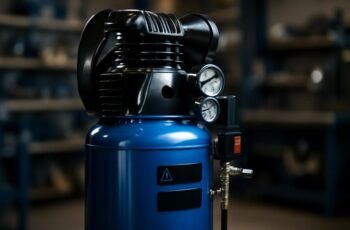
Consider a manufacturing facility that reduced its energy consumption by over 30% after upgrading to a top-rated energy-saving compressor; this example highlights the significant impact these advanced systems can have. With features like variable speed drives and sophisticated control algorithms, these compressors optimize performance based on real-time demand. Understanding what makes these models effective and how they compare can help you make informed decisions for your own operations—and uncover the potential benefits that await.
Key Takeaways
- Highlight top models featuring advanced control systems, variable speed drives, and noise reduction for optimal energy efficiency.
- Compare performance metrics like energy consumption, noise levels, and cooling capabilities across the latest 2023 compressors.
- Emphasize factors for selecting the right compressor, including workload demands, environmental impact, and noise considerations.
- Outline best practices for installation, maintenance, and sizing to maximize compressor lifespan and energy savings.
- Provide insights on innovative sealing, vibration control, and cooling technologies that enhance compressor performance and sustainability.
What Makes an Energy-Saving Compressor Effective?
An energy-saving compressor is effective when it integrates advanced control systems that enhance operation based on real-time demand. Precise vibration control minimizes mechanical oscillations, reducing wear and tear while improving efficiency. Additionally, noise reduction features are critical, as they diminish operational sound levels, improving environmental compatibility and operator comfort. These systems adapt compressor output dynamically, preventing unnecessary energy consumption during low-demand periods. By stabilizing vibrations, the compressor operates smoothly, which not only conserves power but also extends equipment lifespan. Noise mitigation techniques, such as sound enclosures and damping materials, further contribute to operational efficiency. Overall, the combination of vibration control and noise reduction guarantees peak performance, energy efficiency, and longevity, making these compressors highly effective in demanding industrial applications.
Top Features to Look for in Energy-Efficient Compressors
When selecting energy-efficient compressors, prioritizing key features guarantees peak performance and maximum energy savings. Essential features include innovative cooling systems that enhance heat dissipation, reducing thermal stress and improving overall efficiency. Look for compressors with advanced cooling mechanisms, such as liquid cooling or high-efficiency heat exchangers, which maintain ideal operating temperatures. Noise reduction capabilities are equally important; integrated soundproofing or vibration damping minimizes operational noise, contributing to a safer and more comfortable work environment. Additionally, features like variable speed drives optimize energy consumption by adjusting compressor output to demand, further enhancing efficiency. Combining innovative cooling with noise reduction technology ensures the compressor operates reliably, quietly, and with minimal energy waste, making these features critical in selecting top-tier, energy-efficient models.
Comparing the Best Energy-Saving Compressor Models of 2023
With technological advancements driving improvements in energy efficiency, 2023 has seen a notable rise in high-performance compressor models designed to reduce energy consumption while maintaining ideal output. Comparing these models reveals significant differences in industrial noise levels, with quieter units enhancing operational environments. Modern compressors utilize advanced compressor lubricants that optimize thermal management and reduce wear, contributing to overall energy savings. Variable speed drives and innovative motor designs further enhance efficiency by adjusting power output to demand, lowering idle energy loss. Additionally, some models incorporate enhanced sealing technologies to minimize air leaks, further reducing energy waste. When selecting among top models, it’s crucial to consider not only energy efficiency metrics but also noise emissions and lubricant compatibility to ensure long-term sustainability and operational effectiveness.
How to Choose the Right Compressor for Your Business Needs?
Choosing the right compressor for your business requires a clear understanding of your operational demands and energy efficiency priorities. We recommend evaluating workload capacity, duty cycle, and pressure requirements to match compressor specifications precisely. Consider the environmental impact by selecting models with advanced energy-saving features that minimize carbon footprint. Noise reduction is also critical; opt for compressors with sound-dampening technology to ensure a safer, more comfortable workplace. Examine compressor type—reciprocating, rotary, or centrifugal—based on your application’s scale and complexity. Additionally, verify that the unit’s efficiency ratings align with your long-term energy savings goals. A well-chosen compressor balances operational performance with environmental considerations, ensuring sustainable, cost-effective operation tailored to your specific business needs.
Installation and Maintenance Tips for Optimal Efficiency
Proper installation and regular maintenance are essential to guarantee your compressor operates at peak efficiency and longevity. Adhering to precise installation procedures ensures ideal alignment, proper electrical connections, and adequate ventilation, which collectively minimize energy consumption. During installation, verify that all components meet manufacturer specifications and that the system is correctly grounded. Maintenance schedules should be strictly followed, including routine inspections of filters, lubricants, and belts, to prevent performance degradation. Regularly check for leaks, unusual vibrations, or temperature fluctuations that could indicate underlying issues. Proper calibration of pressure controls and timely replacement of worn parts not only enhance energy efficiency but also extend compressor lifespan. Consistent adherence to these practices ensures your compressor maintains maximum performance with minimal downtime.
Real-World Benefits of Upgrading to Energy-Efficient Compressors
Upgrading to energy-efficient compressors yields tangible operational advantages that directly impact a company’s bottom line. These systems reduce energy consumption by optimizing performance and integrating with renewable energy sources, thereby lowering operational costs and carbon footprint. Improved efficiency results in decreased compressor noise, which enhances workplace safety and reduces environmental impact. Additionally, modern compressors feature variable speed drives, enabling precise control and further energy savings. The integration of renewable energy options not only complements the compressor’s efficiency but also promotes sustainable operations. Overall, these upgrades lead to significant cost reductions, enhanced environmental compliance, and improved operational reliability, making them an essential investment for forward-thinking organizations seeking both financial and ecological benefits.
Common Mistakes to Avoid When Investing in Energy-Saving Compressors
When investing in energy-saving compressors, it’s vital to accurately assess energy efficiency ratings to guarantee optimal performance. Failing to take proper maintenance into account can diminish energy savings, while selecting an incorrectly sized compressor can lead to increased operational costs. Avoiding these common pitfalls is essential for maximizing investment returns and compressor longevity.
Overlooking Energy Efficiency Ratings
Do you know how essential energy efficiency ratings are when selecting a compressor? These ratings provide an objective measure of a unit’s performance, helping us avoid energy efficiency myths that often lead to overestimated capabilities. Overlooking these ratings can result in choosing a compressor with high noise levels, known as compressor noise, which undermines efficiency and operational comfort. Many buyers mistakenly assume that a louder compressor is more powerful, but noise level alone doesn’t indicate efficiency. Accurate ratings ensure we compare units based on actual energy consumption and operational costs, not marketing claims or misconceptions. Ignoring this data can lead to higher energy bills and reduced equipment lifespan, ultimately compromising the investment’s value and sustainability.
Ignoring Maintenance Requirements
Neglecting the maintenance requirements of energy-saving compressors can considerably diminish their efficiency and longevity. Regular inspections, filter replacements, and lubrication are crucial to sustain ideal performance. Failing to adhere to maintenance schedules leads to increased energy consumption, undermining cost reduction efforts. Additionally, poor maintenance can elevate noise levels, disrupting operational environments and signaling mechanical issues. Dust and debris accumulation strain components, causing inefficiencies and potential failures. By neglecting these requirements, users risk higher operational costs and reduced compressor lifespan. Proactive maintenance ensures compressors operate at peak energy efficiency, minimizing unnecessary energy expenditure. It also helps identify mechanical issues early, preventing noise escalation and costly repairs. Essentially, consistent maintenance is essential for maximizing energy savings, reducing overall costs, and maintaining quiet, reliable operation.
Selecting Incorrect Compressor Size
Choosing the incorrect compressor size can markedly undermine energy savings and operational efficiency. Incorrect sizing often leads to compressor mismatch, where the unit cannot respond most effectively to fluctuating demand. An oversized compressor consumes more energy than necessary, resulting in increased operational costs and potential wear due to short cycling. Conversely, an undersized compressor struggles to meet demand, causing reduced system performance and increased runtime, which also elevates energy consumption. Proper capacity calculation is essential to prevent these issues. We recommend detailed load analysis and system profiling to determine precise requirements, avoiding errors in incorrect sizing. Selecting the right compressor size ensures maximum energy efficiency, reduces operational costs, and extends equipment lifespan, ultimately maximizing the benefits of energy-saving compressor technology.
Frequently Asked Questions
How Long Is the Typical Lifespan of an Energy-Saving Compressor?
Typically, energy-saving compressors last 10-15 years with proper maintenance schedules, including regular inspections and component checks, while maintaining ideal noise levels, which also prolongs lifespan and guarantees efficiency and reduced operational costs.
Are There Specific Industries That Benefit Most From Energy-Efficient Compressors?
We find that industrial applications, manufacturing, and automotive sectors benefit most from energy-efficient compressors, as they prioritize cost reduction, operational efficiency, and sustainability, making these industries ideal for leveraging advanced compressor technology.
What Is the Average Return on Investment Timeframe for These Compressors?
We find the average ROI for energy-saving compressors ranges from 1 to 3 years, driven by significant cost savings and manageable installation costs, making them a financially sound investment for industries prioritizing operational efficiency and energy reduction.
Do Energy-Efficient Compressors Require Specialized Training for Operation?
Energy-efficient compressors generally don’t demand specialized training, but their maintenance requirements and installation challenges benefit from technical expertise, ensuring ideal performance and safety, which we recommend for operators to manage complex system nuances effectively.
How Do Warranty and Service Support Vary Among Top Models?
Warranty coverage and service network vary among top models; some offer thorough protections with extensive support, while others provide limited coverage. We recommend reviewing each manufacturer’s specific warranty terms and ensuring a robust service network for best reliability.
Conclusion
In summary, selecting the right energy-saving compressor is essential for optimizing efficiency and reducing operational costs. By focusing on advanced control systems, variable speed drives, and eco-friendly features, we guarantee sustainable performance—much like the innovations of the Industrial Revolution. We encourage thorough evaluation and proper maintenance to maximize benefits. Investing wisely today prepares us for a more efficient, eco-conscious future, proving that even in the digital age, smart choices remain timeless.