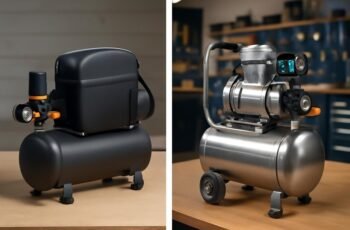
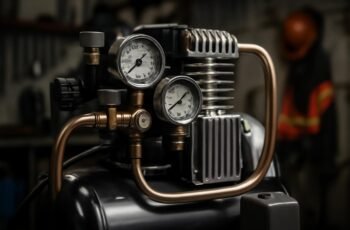
Imagine investing in a device that costs more upfront but saves thousands over its lifetime—like planting a tree that grows stronger and more beneficial with each year. Energy-efficient air compressors operate on this principle, promising long-term savings and environmental benefits. But are they truly worth the initial investment? We’ll explore their advantages, costs, and practical considerations to determine if they’re the right choice for your operations.
Key Takeaways
- They reduce operational costs through lower energy consumption, leading to long-term savings.
- Advanced features like variable speed drives improve efficiency and adapt to demand.
- While initial costs are higher, durability and energy savings often justify the investment.
- Proper maintenance and calibration are essential to maximize their efficiency and lifespan.
- They support sustainable practices by minimizing environmental impact and promoting eco-friendly operations.
What Are Energy-Efficient Air Compressors and How Do They Work?
Although traditional air compressors have been widely used for decades, energy-efficient models incorporate advanced technologies that optimize performance while reducing power consumption. These compressors utilize variable speed drives, allowing precise control of compressor size and output, which minimizes unnecessary energy use. By adjusting motor speed to match demand, they substantially reduce air compressor noise and avoid the inefficiencies of fixed-speed units. Smaller compressor size in energy-efficient models also contributes to better heat dissipation and easier installation, leading to less operational noise. Furthermore, the design focuses on reducing energy waste through improved sealing and advanced lubrication. Overall, these technological enhancements enable energy-efficient air compressors to deliver consistent, optimized performance with lower environmental impact and operational costs.
What Are the Main Benefits of Choosing an Energy-Efficient Air Compressor?
Choosing an energy-efficient air compressor offers clear advantages in reducing operational costs and energy use, which directly impacts your bottom line. Additionally, these units contribute to a smaller environmental footprint by consuming less power and producing fewer emissions. Understanding these benefits helps in evaluating the long-term value of investing in more efficient technology.
Lower Operating Costs
Energy-efficient air compressors considerably reduce ongoing operational expenses by optimizing power consumption and minimizing energy waste. Their design features advanced control systems and variable speed drives that adapt to demand, notably lowering energy consumption during operation. This improvement directly impacts cost analysis by decreasing electricity bills, often representing the largest portion of compressor-related expenses. Over time, the reduced energy use translates into substantial savings, offsetting higher initial purchase costs. Additionally, these compressors often require less maintenance due to fewer wear-and-tear components, further lowering operational costs. Overall, choosing an energy-efficient model provides a clear financial advantage by minimizing energy consumption and enhancing cost efficiency, making them a strategic investment for businesses aiming to optimize their operational budgets.
Reduced Energy Consumption
What are the primary advantages of selecting an energy-efficient air compressor? Reduced energy consumption is a key benefit, as these units optimize power use through advanced control systems and variable speed drives. This efficiency minimizes the electrical demand, aligning with renewable energy sources to further lower overall carbon footprint. Additionally, energy-efficient compressors tend to have enhanced compressor durability because they operate under less strain and avoid frequent cycling, reducing wear and tear. The design improvements not only conserve energy but also extend the lifespan of components, decreasing maintenance costs. By choosing such units, industries can achieve significant operational savings while supporting sustainable energy practices, making energy-efficient air compressors a strategic investment for both financial and environmental reasons.
Greater Environmental Benefits
Because they consume less power and operate more efficiently, energy-efficient air compressors considerably reduce greenhouse gas emissions associated with industrial processes. By optimizing compressor insulation, these units minimize heat loss, decreasing energy demand. Integrating renewable energy sources further amplifies environmental benefits, lowering reliance on fossil fuels. The table below highlights key advantages:
| Benefit | Explanation |
|---|---|
| Reduced Emissions | Lower greenhouse gases due to decreased energy use |
| Energy Conservation | Less power consumption, supporting renewable energy |
| Improved Insulation | Enhances efficiency, reducing waste heat |
| Lower Carbon Footprint | Minimizes environmental impact |
| Sustainable Operations | Promotes eco-friendly industrial practices |
These factors collectively contribute to a more sustainable, environmentally conscious operation.
Are Energy-Saving Air Compressors More Expensive to Buy Upfront?
While the initial purchase price of energy-saving air compressors is typically higher than that of conventional models, the difference often reflects advanced technologies designed to reduce long-term operational costs. A thorough cost comparison shows that upfront investments are offset over time through energy savings and lower maintenance. When evaluating options, brand reputation plays a vital role in ensuring reliability and support. Key considerations include:
- Higher initial capital costs due to innovative components
- Enhanced durability associated with reputable brands
- Potential for faster return on investment with energy savings
- Reduced downtime owing to advanced engineering
- Better warranty and service support from established manufacturers
Although the initial expense is greater, these factors contribute to long-term value, making energy-efficient models a strategic choice for cost-conscious, performance-oriented operations.
How Much Can You Save on Energy Costs With an Energy-Efficient Model?
Efficient energy use in air compressors can lead to substantial cost savings over time, especially as energy prices continue to rise. Through detailed cost analysis, we find that energy-efficient models typically consume 20-30% less power than standard units, translating into significant energy savings annually. For example, in a facility with continuous operation, this reduction can amount to thousands of dollars saved each year. While the initial purchase price may be higher, the reduction in operational costs often offsets this investment within a few years. Accurate cost analysis demonstrates that energy-efficient compressors deliver a favorable return on investment by minimizing energy waste, improving overall efficiency, and lowering long-term expenses. These factors underscore the economic advantages of choosing energy-efficient models.
Do Energy-Efficient Compressors Require More Maintenance or Special Care?
Energy-efficient compressors often have different maintenance schedules compared to traditional models, which can influence operational planning. They may require specialized handling or calibration to optimize performance, potentially adding complexity. Understanding these differences is essential to assess whether the benefits outweigh any additional care needs.
Maintenance Frequency Differences
Although energy-efficient air compressors are designed to maximize performance and reduce operational costs, they often require specialized maintenance to sustain their efficiency gains. This can influence maintenance frequency, but not necessarily increase it. In fact, proper upkeep can enhance compressor longevity and dispel energy saving myths that these units are more fragile.
Key considerations include:
- Regular filter and sensor calibration to prevent performance decline
- Monitoring variable speed drives for peak operation
- Ensuring lubricants meet manufacturer specifications
- Inspecting for wear on electronic components
- Preventative maintenance tailored to advanced control systems
While these units may demand more technical oversight, their maintenance schedules are often aligned with, or even less frequent than, traditional models when properly managed. Ultimately, targeted care can preserve efficiency benefits without compromising compressor longevity.
Special Handling Requirements
Do energy-efficient air compressors require more specialized handling to maintain their performance? Yes, they often demand stricter handling protocols and adherence to safety procedures. These units typically incorporate advanced components, such as variable speed drives or sophisticated control systems, which require precise calibration and careful monitoring. Improper handling can lead to performance degradation or safety hazards.
| Handling Aspect | Description |
|---|---|
| Handling protocols | Require careful calibration and troubleshooting |
| Safety procedures | Must follow strict safety guidelines to prevent damage or accidents |
| Maintenance approach | Needs specialized tools and trained personnel |
In essence, while energy-efficient compressors can reduce operational costs, their complex design necessitates more careful management to ensure ideal performance and safety.
Which Industries and Applications Benefit Most From Energy-Efficient Compressors?
Industries that rely heavily on compressed air for their operations stand to gain considerably from adopting energy-efficient compressors. These sectors often have high energy demands, making efficiency improvements financially and environmentally impactful. Manufacturing plants, automotive assembly, electronics, healthcare, and food processing are prime candidates. They benefit from reduced operational costs and lower carbon footprints, especially when integrating renewable sources and alternative fuels into their energy mix.
Industries relying on compressed air can cut costs and emissions by adopting energy-efficient compressors.
Key benefits include:
- Lower energy consumption and operational costs
- Enhanced process reliability and consistency
- Reduced greenhouse gas emissions
- Compatibility with renewable energy integration
- Improved sustainability through alternative fuel use
What Factors Should You Consider When Deciding If an Energy-Efficient Compressor Is Worth It?
When evaluating whether an energy-efficient compressor is a worthwhile investment, understanding several key factors that directly impact both costs and operational performance is essential. Compressor size must align with your application’s demands; an oversized unit leads to unnecessary energy consumption, while undersized units struggle to meet workload. Additionally, air compressor noise levels influence workplace safety and comfort, especially in noise-sensitive environments. Energy-efficient models often operate more quietly, reducing disruption. Cost considerations extend beyond initial purchase; assess potential energy savings over the compressor’s lifespan and maintenance costs. By analyzing these factors—compressor size, noise levels, and long-term operational expenses—you can determine if the benefits of an energy-efficient compressor justify the investment for your specific application.
Are There Any Downsides or Limitations to Energy-Efficient Air Compressors?
While energy-efficient air compressors offer notable benefits, they also present certain limitations that warrant careful consideration. One key concern is the potential compromise in noise reduction; some models prioritize energy savings at the expense of increased noise levels, which can affect workplace comfort and safety. Additionally, portability concerns arise, as many energy-efficient units tend to be larger and heavier, reducing ease of transport and installation flexibility. Other limitations include higher initial costs and complex maintenance requirements that may offset energy savings over time. Moreover, variations in operational conditions can impact efficiency, making it essential to evaluate whether these models suit specific application needs. Overall, understanding these constraints helps ensure informed decisions when integrating energy-efficient compressors into your operations.
How Can You Ensure You’re Choosing the Most Energy-Efficient and Cost-Effective Model?
Choosing the right energy-efficient air compressor requires a careful assessment of multiple factors to guarantee both performance and cost savings. To maximize energy savings, focus on models with variable speed drives, which adapt to demand fluctuations, reducing unnecessary energy consumption. Evaluate compressor durability by inspecting build quality, component lifespan, and manufacturer warranties, as these influence long-term operational reliability. Analyzing efficiency ratings, like ISO 1217 or CAGI certifications, helps identify models with superior energy performance. Additionally, consider operational costs, including maintenance and potential downtime, which impact overall cost-effectiveness. Accurate load analysis and matching compressor capacity to actual demand prevent oversizing, ensuring sustained energy savings and durability. This strategic approach minimizes energy waste while enhancing compressor lifespan, yielding the most cost-effective solution.
Frequently Asked Questions
How Long Is the Typical Lifespan of an Energy-Efficient Air Compressor?
Energy-efficient air compressors typically last 10-15 years, depending on maintenance costs and operating conditions. Reduced noise levels often indicate better internal components, extending lifespan. Regular upkeep is essential to maximize durability and performance over time.
Are There Specific Brands Known for Reliable Energy-Efficient Compressors?
We believe brands like Atlas Copco and Ingersoll Rand stand out for reliable, energy-efficient compressors, backed by stellar reputation and positive customer reviews, making them a powerhouse choice for technical reliability and long-term performance.
Can Existing Compressor Systems Be Upgraded to Improve Efficiency?
We can upgrade existing compressor systems through enhanced compressor maintenance and integrating alternative energy sources, which improves efficiency, reduces operational costs, and extends lifespan, making upgrades a technically sound and economically viable strategy.
What Certifications Indicate an Air Compressor Is Energy-Efficient?
We look for energy certifications like ISO 50001 and efficiency standards such as CE and UL to guarantee our air compressors meet rigorous energy-efficiency criteria, enabling us to optimize performance, reduce costs, and adhere to industry sustainability benchmarks.
How Does Compressor Size Affect Energy Efficiency and Cost Savings?
We find that compressor capacity directly influences energy consumption; a properly sized compressor optimizes capacity, reduces unnecessary energy use, and boosts cost savings, proving that size truly does matter in achieving efficiency and minimizing operational expenses.
Conclusion
In weighing the long-term benefits against initial costs, it’s clear that energy-efficient air compressors offer a compelling case for industries aiming to optimize operations and reduce environmental impact. While they may require careful handling and thoughtful selection, their potential for sustained savings and enhanced reliability makes them a strategic investment. By thoroughly evaluating your specific needs and maintaining diligent care, you’ll find these compressors can serve as a prudent, forward-looking choice—balancing performance with sustainability.