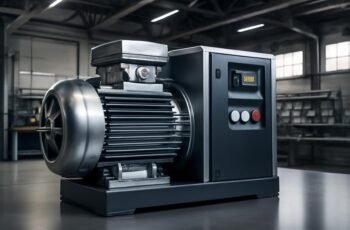
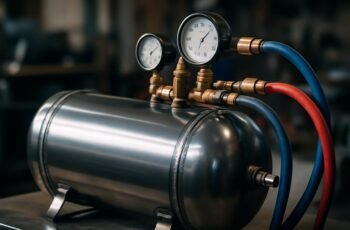
When selecting a gas-powered air compressor, we recognize the importance of balancing technical specifications with practical use considerations. Understanding factors like size, power output, and performance ratings is vital to ensuring long-term efficiency and safety. As we explore this guide, we’ll analyze key features and common pitfalls, helping you make informed decisions that align with your specific workload. The right choice can notably impact your productivity, making it essential to weigh all relevant aspects carefully.
Key Takeaways
- Determine required CFM and PSI to match your workload for optimal performance.
- Consider size, portability, and fuel efficiency based on your workspace and usage duration.
- Evaluate noise levels and maintenance needs to ensure suitability for your environment.
- Compare brand reputation, durability, and total cost of ownership before purchasing.
- Choose models with essential features and proper sizing to prevent operational issues and ensure longevity.
What Is a Gas-Powered Air Compressor and How Does It Work?
Have you ever wondered how a gas-powered air compressor generates the compressed air needed for various tasks? At its core, it uses an internal combustion engine to drive a piston or rotary screw, converting fuel into mechanical energy. This process directly impacts fuel efficiency, as design optimizations can reduce fuel consumption while maintaining power output. Additionally, noise levels are a critical consideration; engine design, mufflers, and sound insulation influence operational noise, affecting usability in different environments. The compressor then takes in ambient air, compresses it through the piston or screw mechanism, and stores it in a tank for use. Understanding how these components work together helps in evaluating a compressor’s efficiency and suitability for specific applications.
Key Factors to Consider When Choosing a Gas-Powered Compressor
When selecting a gas-powered compressor, we focus on power output and performance to guarantee it meets operational demands. Portability and size are equally critical, as they affect ease of transport and workspace compatibility. Evaluating these factors allows us to identify models that balance efficiency with practicality for specific applications.
Power and Performance
Selecting a gas-powered air compressor requires careful evaluation of its power and performance capabilities, as these directly impact its efficiency and suitability for specific tasks. Power output, measured in CFM and PSI, determines the compressor’s ability to handle various workload demands. Fuel efficiency is essential for operational cost management, especially during extended use, as it influences runtime and overall productivity. Noise levels also play a significant role, particularly in environments requiring minimal disruption; quieter models enhance safety and comfort. High performance doesn’t solely depend on raw power but also on the compressor’s ability to maintain consistent airflow under load. Consequently, understanding these performance factors helps guarantee the compressor meets your operational needs while optimizing fuel consumption and minimizing noise-related issues.
Portability and Size
Portability and size are critical considerations because they directly influence how easily a gas-powered compressor can be transported and integrated into various work environments. Compact designs enhance maneuverability, especially in confined spaces, while larger units often offer increased fuel efficiency through optimized engine performance. Noise levels are also affected by size, with smaller models typically producing less sound, which is advantageous for noise-sensitive settings. Additionally, a lightweight compressor reduces fatigue during transport and setup, facilitating quick deployment across multiple sites. Conversely, larger models may require more effort to move but often deliver superior fuel efficiency, reducing operational costs over time. Balancing size, noise levels, and fuel efficiency helps select a unit that aligns with specific work demands and environmental constraints.
How to Determine the Right Size and Power for Your Projects
Determining the appropriate size and power of an air compressor hinges on understanding the specific requirements of your projects. We assess this by analyzing airflow needs, measured in CFM (cubic feet per minute), and pressure, in PSI. For small tasks, a compressor with lower power and CFM suffices, but larger projects demand higher capacity units. Fuel efficiency becomes critical for prolonged operations, influencing operational costs. Noise levels also factor into the decision, especially for indoor or noise-sensitive environments; selecting a model with optimized noise reduction enhances safety and comfort. Proper sizing guarantees efficient performance, minimizes energy waste, and aligns with task complexity. By matching compressor specifications to project demands, you optimize both productivity and resource management.
Essential Features to Look for in a Gas-Powered Air Compressor
When selecting a gas-powered air compressor, we focus on power and capacity to guarantee it meets your workload demands without sacrificing efficiency. Portability and ease of transport are also critical, especially for job sites requiring mobility and quick setup. Understanding these core features helps optimize performance and operational convenience.
Power and Capacity
Understanding the power and capacity of a gas-powered air compressor is vital because these features directly influence its performance and suitability for various tasks. Power, measured in horsepower (HP), determines the compressor’s ability to generate airflow, while capacity, indicated by CFM (cubic feet per minute), reflects its volume output. High power models often provide higher CFM ratings, essential for demanding applications. Additionally, fuel efficiency plays an important role, as more efficient units reduce operational costs and environmental impact. Noise levels are also a key consideration; larger capacity compressors tend to produce more noise, which can affect work environments. Balancing power, capacity, fuel efficiency, and noise levels ensures you select a compressor that performs effectively without unnecessary energy consumption or disturbance.
Portability and Ease
Portability and ease of use are critical factors that directly impact the practicality of a gas-powered air compressor, especially for those who require mobility on job sites or in remote locations. A well-designed portable unit features a compact, lightweight structure that minimizes user fatigue and facilitates transportation. The portable design should incorporate a sturdy, ergonomic handle that provides a secure grip and reduces strain during movement. Additionally, the placement of components such as the engine, tank, and wheels influences overall balance and maneuverability. Analyzing these features helps guarantee the compressor can be efficiently transported and operated in diverse settings. Ultimately, prioritizing portability and ease of use ensures that the compressor remains functional and user-friendly in demanding environments.
Comparing Different Types of Gas-Powered Compressors
Gas-powered compressors come in several distinct types, each designed to meet specific operational needs and performance requirements. Understanding the differences helps optimize fuel efficiency and manage noise levels effectively. Reciprocating compressors are common, offering high pressure but tending to produce more noise. Rotary screw compressors excel in continuous operation, providing better fuel efficiency and quieter operation, ideal for long-term use. Centrifugal compressors are suitable for large-scale demands, delivering high airflow with lower noise but at increased cost and complexity.
| Type | Fuel Efficiency | Noise Levels |
|---|---|---|
| Reciprocating | Moderate | Higher |
| Rotary Screw | High | Quieter |
| Centrifugal | Variable | Lower (for large scale) |
Tips for Maintaining and Extending the Life of Your Compressor
Regular maintenance is essential to guarantee your compressor operates efficiently and achieves its maximum lifespan. Proper oil lubrication is critical; it reduces friction between moving parts, minimizes wear, and prevents overheating. Regularly check and change the oil according to manufacturer specifications to maintain ideal viscosity and contaminant removal. Additionally, noise reduction techniques—such as installing vibration mounts or sound-dampening enclosures—help decrease operational sound levels and protect your hearing. Ensuring proper ventilation and cleaning air filters also prevents dust and debris buildup, which can impair performance and cause overheating. Consistent inspection of belts, hoses, and connections allows early detection of wear or leaks. Implementing these maintenance practices preserves compressor integrity, enhances performance, and extends its service life, ultimately providing a reliable, safe, and efficient operation.
Budgeting Tips: Finding the Best Value Without Compromising Quality
Achieving the best value when purchasing a gas-powered air compressor requires careful evaluation of both cost and quality to guarantee long-term reliability. Effective pricing strategies involve comparing initial costs with expected durability and maintenance expenses. Brand reputation plays an essential role, as established brands often deliver consistent quality and better after-sales support. To optimize value, consider these factors:
- Prioritize brands with proven reliability and positive user feedback
- Analyze the total cost of ownership, including maintenance and fuel efficiency
- Seek models that balance affordable pricing with essential features
- Be wary of extremely low prices, which may compromise quality
- Use comparative reviews to assess long-term performance and durability
Common Mistakes to Avoid When Buying a Gas-Powered Air Compressor
When purchasing a gas-powered air compressor, one of the most critical mistakes to avoid is prioritizing price over quality, as this can lead to costly performance issues and frequent repairs down the line. A common error is neglecting fuel efficiency, which impacts operating costs over the compressor’s lifespan. Low fuel efficiency results in higher fuel consumption, increasing expenses and environmental footprint. Additionally, ignoring noise levels can cause operational challenges, especially in noise-sensitive environments. Excessively noisy compressors not only disrupt workflow but may also violate local noise regulations. To make an informed decision, evaluate models that balance fuel efficiency with manageable noise levels, ensuring reliable performance and lower long-term costs. Avoiding these pitfalls guarantees better durability, efficiency, and compliance with workplace standards.
Frequently Asked Questions
How Loud Are Gas-Powered Air Compressors During Operation?
Gas-powered air compressors typically produce noise levels around 75 to 85 decibels, making them quite loud during operation. We analyze their noise levels based on decibel ratings to guarantee safe, effective use in various environments.
Can I Use a Gas-Powered Compressor Indoors Safely?
Using a gas-powered compressor indoors is like trying to tame a wild beast; proper indoor ventilation and noise mitigation measures are essential. Without them, risks include toxic fumes and excessive noise, endangering health and safety.
What Are the Environmental Impacts of Gas-Powered Compressors?
Gas-powered compressors emit environmental pollutants and contribute to resource consumption through fuel use. We analyze their emissions and energy demands, understanding their ecological footprint, to make informed decisions about their sustainable operation and potential environmental mitigation strategies.
Are There Portable Gas-Powered Compressors Suitable for Travel?
Like a pocket-sized powerhouse, portable gas-powered compressors excel in travel convenience, but their weight considerations demand careful evaluation. We analyze these factors to guarantee peak performance and ease of transport for on-the-go applications.
How Long Do Gas-Powered Air Compressors Typically Last With Proper Maintenance?
With proper maintenance tips, gas-powered air compressors typically last 5 to 10 years, depending on lifespan factors like usage frequency, engine quality, and storage conditions. Regular oil changes and inspections extend their operational life considerably.
Conclusion
By carefully evaluating size, power, and features, we guarantee our compressor meets the demands of each project, much like selecting the right tool for a precise task. Recognizing the interplay between fuel efficiency, durability, and noise control allows us to optimize performance and longevity. When we approach our purchase with this analytical mindset, we not only avoid costly mistakes but also set the foundation for reliable, efficient operation—turning complex choices into a seamless, well-informed decision.