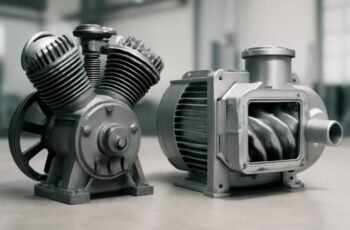
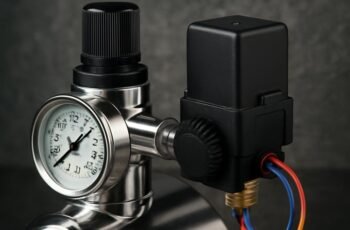
When choosing between gas-powered and electric air compressors, understanding their core differences can considerably impact project outcomes. Gas models excel in mobility and rugged environments, while electric units offer cleaner, quieter operation suited for controlled settings. This nuanced distinction influences not just performance but also long-term costs and environmental considerations. As we examine these options, it becomes clear that selecting the right compressor depends on specific application demands and operational constraints—making the decision more complex than it initially appears.
Key Takeaways
- Gas-powered compressors offer greater portability and higher power for remote or outdoor heavy-duty applications.
- Electric compressors provide lower operational costs, quieter operation, and are ideal for indoor or enclosed environments.
- Gas units emit pollutants and noise, making them less suitable for indoor use, whereas electric units are cleaner and quieter.
- Gas compressors require more maintenance due to engine parts, while electric models have simpler, fewer-moving-part designs.
- Choice depends on mobility needs, environmental conditions, and whether the application requires high power or indoor operation.
How Do Gas-Powered and Electric Air Compressors Work?
Although both gas-powered and electric air compressors serve the same fundamental purpose of converting power into compressed air, their operational mechanisms differ markedly. Gas-powered units utilize gasoline engines, which combust fuel to drive a piston or rotary screw, generating mechanical energy that compresses air. This process enables portability and independence from electrical sources, making them suitable for remote applications. Conversely, electric air compressors rely on electric motors that convert electrical energy directly into rotational motion, driving a piston or rotary screw for compression. Electric motors offer higher efficiency, quieter operation, and lower emissions, but require a power source. The core distinction lies in their energy conversion: internal combustion in gasoline engines versus electromagnetic induction in electric motors, shaping their performance, applications, and operational characteristics.
What Are the Main Advantages of Gas-Powered Air Compressors?
Gas-powered air compressors excel in portability and mobility, making them ideal for use in locations lacking electrical infrastructure. They also deliver higher power output, enabling them to handle demanding tasks efficiently. Additionally, their independence from power sources makes them suitable for remote sites where electricity is unavailable.
Portability and Mobility
What makes gas-powered air compressors particularly advantageous regarding portability and mobility is their inherent gasoline flexibility, allowing operation in remote or outdoor locations without reliance on electrical outlets. This independence means users aren’t constrained by power cord lengths or availability, facilitating swift deployment across varied job sites. In contrast, electric compressors depend heavily on electric reliability, which can be compromised by power outages or inadequate wiring, limiting mobility. Gasoline-powered units typically feature rugged frames and carry handles, optimized for transport across uneven terrain. Their self-contained design minimizes setup time and enhances field usability. Overall, gasoline flexibility ensures continuous operation in diverse environments, making gas-powered compressors a preferred choice where mobility and independence are critical factors.
Higher Power Output
Why do gas-powered air compressors often deliver higher power output compared to their electric counterparts? In a technical comparison, gas engines generate more torque and horsepower, enabling these compressors to sustain higher pressure and airflow rates essential for demanding applications. This increased power stems from the engine’s capacity to operate independently without reliance on electrical infrastructure, allowing for larger displacement and more robust components. Additionally, gas models typically require less frequent maintenance scheduling for electrical components, but demand more attention to engine upkeep. This higher power output makes gas compressors ideal for heavy-duty tasks, where consistent, high-volume air supply is critical. Their design prioritizes raw power over energy efficiency, making them suitable for intensive industrial or construction environments.
Suitable for Remote Sites
Their independence from electrical power sources makes gas-powered air compressors particularly well-suited for remote sites where access to electricity is limited or nonexistent. They provide reliable operation without the need for external power grids, ensuring continuous air supply in isolated locations. Gas efficiency becomes a critical factor, especially in prolonged use, as fuel consumption directly impacts operational costs. While these compressors excel in mobility, they also pose a higher spark risk, which must be managed carefully in combustible environments. This risk underscores the importance of proper safety protocols. Overall, gas-powered compressors offer significant advantages for remote applications, combining portability with dependable performance, making them ideal for construction sites, mining operations, or disaster zones where electrical infrastructure is unavailable or unreliable.
Why Choose an Electric Air Compressor for Your Projects?
Have you considered the advantages of electric air compressors for your projects? When analyzing gas comparisons, electric models often demonstrate superior electric efficiency, translating to lower operational costs over time. Unlike gas-powered units, they eliminate the need for fuel, reducing emissions and maintenance expenses. Electric compressors provide consistent performance with fewer fluctuations caused by fuel quality or engine wear. Their energy conversion is more efficient, ensuring that more input power is directed toward air compression rather than heat loss or mechanical inefficiencies. Additionally, electric units tend to have fewer moving parts, lowering the risk of mechanical failure. This reliability makes them an ideal choice for projects requiring steady, predictable airflow, especially where environmental considerations and operational costs are critical factors.
Comparing Performance: Power, Portability, and Use Cases
When evaluating performance, we compare how gas and electric compressors deliver power and efficiency under various operational demands. Mobility and convenience also play critical roles, influencing how easily each type can be transported and used in different environments. Analyzing these factors helps identify the most suitable compressor for specific applications and work settings.
Power and Efficiency
Gas and electric air compressors compare regarding power output and operational efficiency? Gas compressors typically deliver higher power levels, making them suitable for heavy-duty tasks, but often at the expense of gas efficiency. They can run longer without electrical power, which enhances their operational versatility in remote locations. Electric compressors, on the other hand, tend to have more consistent power delivery and higher startup durability, reducing downtime and maintenance. Their efficiency is generally superior in terms of energy use, especially in continuous operation scenarios. While gas compressors excel in rugged environments, electric models excel in controlled settings with less environmental impact. Ultimately, the choice hinges on balancing power needs with operational efficiency and maintenance considerations.
Mobility and Convenience
While power output and efficiency are crucial, the mobility and convenience of air compressors significantly impact their practical use. Gas-powered models excel in portability due to their independence from power outlets, making them ideal for remote or outdoor applications. Electric compressors, however, often face compatibility issues with power sources, limiting their use to fixed locations. Maintenance myths also influence convenience; many believe electric units require less upkeep, but both types demand regular checks. Gas compressors generally require more frequent maintenance due to fuel and oil systems, yet their mobility often outweighs this drawback. Conversely, electric compressors offer quieter operation and easier handling, but their reliance on power cords can restrict use cases. Ultimately, selecting between the two hinges on portability needs and operational environment.
Cost Considerations: Buying, Operating, and Maintenance Expenses
Cost considerations play a pivotal role in selecting between gas-powered and electric air compressors, as initial purchase prices, operational expenses, and maintenance costs vary considerably. Gasoline maintenance often entails higher costs due to engine tune-ups, oil changes, and fuel consumption, which can escalate over time. Conversely, electric compressors generally have lower operating costs but require investment in durable electric cords and safety features like cord strain relief and grounding to ensure electric cord safety. Initial purchase prices for gas models tend to be higher, driven by engine complexity, while electric units are typically more affordable upfront. Maintenance expenses favor electric compressors due to fewer moving parts, but careful attention to gasoline maintenance is essential for longevity in gas-powered models.
Environmental Impact and Noise Levels of Both Types
When evaluating the environmental impact and noise levels of gas-powered versus electric air compressors, it’s essential to analyze their operational emissions and sound signatures. Gas-powered units emit greenhouse gases and other pollutants, contributing significantly to environmental impact, especially in enclosed or poorly ventilated spaces. In contrast, electric compressors produce no direct emissions, making them more environmentally friendly. Regarding noise levels, gas-powered models tend to generate higher decibel levels due to engine operation, which can be disruptive in noise-sensitive environments. Electric compressors generally operate more quietly, with lower noise signatures, suitable for indoor or noise-restricted settings. Overall, the environmental impact favors electric models, while noise considerations often influence their suitability based on workspace requirements.
Which Air Compressor Is Better for Heavy-Duty Jobs?
Heavy-duty applications demand air compressors that can sustain continuous, high-performance operation under demanding conditions. Gas-powered compressors excel in such environments due to their superior gasoline efficiency, allowing longer operation hours without frequent refueling, which reduces downtime. They also provide greater portability, essential for remote or outdoor work sites. Conversely, electric compressors prioritize electric safety, minimizing risks associated with fuel spills and exhaust fumes, making them suitable for enclosed or indoor settings. While electric models typically have lower maintenance costs and quieter operation, they might struggle with sustained high loads compared to gas models. For heavy-duty tasks requiring relentless performance, gas-powered compressors offer resilience and fuel efficiency, but electric models provide enhanced safety and lower operational hazards, making the choice context-dependent based on specific job requirements.
Ideal Environments and Settings for Gas vs. Electric Models
Are there specific environments where gas-powered or electric powered air compressors perform best? Yes. Gas powered models excel in remote or outdoor settings where electrical access is limited, and portability is essential. They handle variable workloads and higher operational demands without relying on power sources, making them suitable for construction sites or agricultural operations. Conversely, electric powered compressors thrive in controlled indoor environments, like workshops or maintenance facilities, where consistent power supply and lower noise levels are priorities. They are more energy-efficient and produce fewer emissions, ideal for precision tasks or environments with strict environmental regulations. Overall, the choice hinges on environmental factors: gas powered units for mobility and independence, electric powered units for stationary, indoor applications demanding reliability and cleaner operation.
How to Select the Right Air Compressor for Your Needs
Choosing the right air compressor depends on a clear understanding of your specific operational needs and environment. To optimize performance, consider factors like capacity, power source, and energy efficiency. For instance, electric models typically offer higher energy efficiency and lower maintenance scheduling costs, making them suitable for continuous, low to medium demand tasks. Gas-powered compressors excel in portability and high-demand applications but require more frequent maintenance. Use the following table to evaluate key factors:
| Factor | Electric Compressors | Gas-Powered Compressors | Considerations |
|---|---|---|---|
| Energy Efficiency | Higher, lower operational costs | Lower, fuel consumption dependent | Match energy costs to operational duration |
| Maintenance Scheduling | Less frequent, simpler maintenance | More frequent, complex maintenance | Assess available maintenance resources |
| Portability | Less portable | Highly portable | Evaluate mobility needs |
| Power Requirements | Electric connection needed | No external power required | Determine available power sources |
| Environmental Impact | Quieter, lower emissions | Higher emissions, noise | Consider environmental regulations |
Frequently Asked Questions
What Safety Precautions Are Necessary When Using Gas-Powered Air Compressors?
To ensure safety during gas-powered use, we recommend regular inspections, proper ventilation, wearing protective gear, avoiding open flames, and following manufacturer guidelines. These precautions minimize risks like fires, explosions, and exposure to harmful emissions.
How Long Do Electric Air Compressors Typically Last Compared to Gas Models?
Electric compressors typically last longer—around 10,000 to 20,000 hours—thanks to their simpler, less worn components. Gas models, while durable, usually endure slightly fewer hours due to engine wear and maintenance demands.
Are There Specific Maintenance Requirements for Each Type of Compressor?
We follow specific maintenance schedules for each compressor type, noting oil models require regular oil changes and filter checks, while non-oil models demand less maintenance but still need routine inspections to ensure optimal operation.
Can Electric Compressors Operate Effectively in Outdoor or Remote Locations?
Electric compressors can operate effectively in outdoor or remote locations when designed for outdoor durability, but their reliance on stable power sources limits remote operation. We recommend considering portable power solutions and weatherproof units for optimal remote outdoor performance.
How Do Startup Times Differ Between Gas-Powered and Electric Air Compressors?
We find electric compressors have quicker startup times due to no fuel priming, while gas-powered units may take longer but offer better fuel efficiency during extended use, impacting operational planning and energy consumption considerations.
Conclusion
Ultimately, choosing between gas-powered and electric air compressors is like selecting the right tool for a specific terrain—each has its own terrain. Gas models excel in rugged, remote environments, much like a reliable off-road vehicle conquering uncharted paths. Electric compressors thrive in controlled, indoor settings, offering clean, quiet operation akin to a precision-engineered machine. By analyzing your environment and project demands, you can select the excellent compressor to guarantee efficient, dependable performance every time.