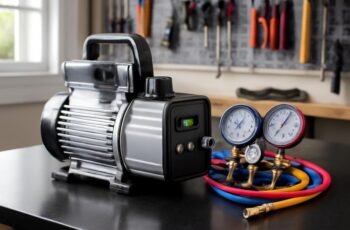
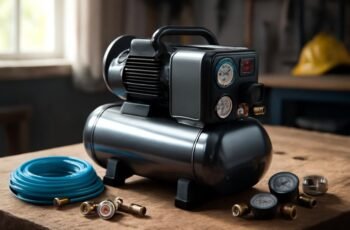
When selecting a stationary air compressor, we recognize that balancing performance, reliability, and total cost is essential for optimal operation. We understand that factors like noise levels, lubrication systems, and capacity ratings directly impact long-term efficiency and maintenance needs. As we explore the key features and sizing strategies, it becomes clear that choosing the right model requires careful analysis of your specific application. Let’s examine what determines the best fit for your operational demands.
Key Takeaways
- Assess tool requirements (CFM and PSI) and add at least 25% extra capacity for continuous operation.
- Choose compressor type (rotary screw or piston) based on noise, efficiency, and project scale.
- Prioritize build quality, lubrication system, and noise reduction features for long-term reliability.
- Consider energy efficiency, warranty, and external power compatibility to evaluate overall cost-effectiveness.
- Implement regular maintenance, including oil checks, leak detection, and filter cleaning, to extend compressor lifespan.
What Are the Key Features to Look for in a Stationary Air Compressor
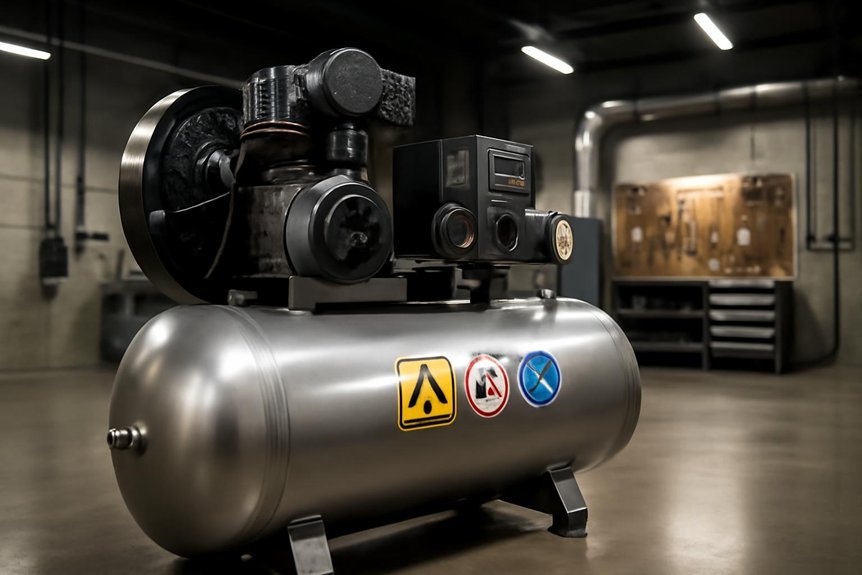
When selecting a stationary air compressor, understanding its key features is essential to guarantee it meets your operational demands. One critical aspect is its noise level; a compact noise design minimizes sound emissions, creating a safer, more comfortable work environment. Additionally, oil lubrication plays a vital role in maintaining compressor efficiency and longevity. Properly lubricated components reduce wear, prevent overheating, and ensure smooth operation, especially under continuous use. The choice of oil lubrication system influences maintenance frequency and overall durability. We must also consider features like build quality, ease of maintenance, and reliability of pressure regulation. These elements collectively ensure that the compressor performs consistently and efficiently, aligning with industrial standards and operational needs.
How to Determine the Right Size and Capacity for Your Projects
How can we accurately determine the appropriate size and capacity of a stationary air compressor for our specific projects? Effective size planning and capacity matching require precise calculations based on your tools’ air consumption and operational demands. First, identify the CFM (cubic feet per minute) and PSI (pounds per square inch) requirements for each tool or application. Then, select a compressor with at least 25% extra capacity to ensure efficiency and longevity. The following table helps clarify this:
| Tool/Application | CFM Needed | Recommended Compressor Capacity |
|---|---|---|
| Spray Painting | 15 CFM | 20 CFM |
| Sandblasting | 25 CFM | 30 CFM |
| General Use | 10 CFM | 13 CFM |
Proper capacity matching minimizes downtime and maximizes performance.
Comparing Different Types of Stationary Compressors: Which One Suits Your Needs?
Choosing the right stationary compressor depends on analyzing your specific application requirements and operational environment. For applications demanding minimal noise, a compressor with silent operation capabilities is essential to reduce disruption and meet regulatory standards. If portability concerns are significant, you’ll want to consider models designed with integrated vibration dampers or compact footprints, even for stationary setups. Rotary screw compressors excel in continuous operation and efficiency, suitable for large-scale industrial use, while piston compressors offer cost-effective options for moderate-duty tasks. Understanding these differences helps determine whether silent operation or structural stability is a priority, and whether portability concerns influence your choice of installation. Selecting the appropriate type ensures optimal performance, longevity, and compliance with your operational constraints.
Essential Factors That Affect Price and Long-Term Reliability
What are the key factors that influence both the upfront cost and the long-term durability of stationary air compressors? Energy efficiency plays a crucial role, as more efficient models reduce operational costs over time. Noise reduction features also impact price but contribute to long-term reliability by decreasing wear on components and improving work environments. The external power supply, including voltage stability and compatibility, affects initial costs and the compressor’s longevity, ensuring consistent performance. Additionally, warranty terms are vital; comprehensive coverage indicates manufacturer confidence and can significantly lower repair expenses over the compressor’s lifespan. Collectively, these factors determine not just the purchase price but also the overall cost-effectiveness and reliability of a stationary air compressor in the long run.
Tips for Proper Maintenance and Ensuring Your Compressor Lasts
Have you implemented a consistent maintenance routine to maximize your compressor’s lifespan? Regular upkeep is essential for optimal performance and longevity. Developing a detailed maintenance schedule ensures timely inspection and replacement of critical components, reducing downtime. Employ noise reduction techniques, like installing vibration isolators or sound barriers, to minimize operational noise and extend equipment life. Key maintenance practices include monitoring oil levels, checking for leaks, cleaning filters, and inspecting safety valves. Proper lubrication reduces wear and prevents overheating. Additionally, routine inspection of belts and pulleys helps prevent unexpected failures. Adhering to a disciplined maintenance schedule not only preserves compressor efficiency but also reduces operational costs. Combining systematic maintenance with noise mitigation strategies ensures lasting performance and reliable operation over time.
Frequently Asked Questions
How Energy-Efficient Are Different Stationary Air Compressors?
Different stationary air compressors vary in energy efficiency, mainly influenced by their design and maintenance planning; well-maintained, modern models optimize energy use, reducing operational costs, while neglecting maintenance can markedly decrease efficiency and increase long-term energy consumption.
What Safety Precautions Should I Follow When Operating a Compressor?
We prioritize safety by identifying hazards, following strict maintenance routines, wearing protective gear, and ensuring proper training. Regular inspections prevent accidents, and adherence to operational guidelines minimizes safety hazards, promoting a secure, efficient working environment.
Can a Stationary Air Compressor Be Used for Pneumatic Tools?
A stationary air compressor can indeed power pneumatic tools; they’re versatile, with differences in PSI and CFM tailored for various applications. Over 70% of workshops rely on stationary compressors for consistent, efficient pneumatic tool operation.
What Are Common Signs of Compressor Failure?
We observe common signs of compressor failure, like unusual noises, overheating, or pressure drops, which serve as failure indicators. Regular maintenance checks help identify these issues early, ensuring optimal performance and reducing costly repairs.
How Do Environmental Conditions Affect Compressor Performance?
Environmental conditions significantly impact compressor performance; extreme temperatures, humidity, and dust reduce efficiency, increase failure signs, and demand proper maintenance. Operating a stationary air compressor safely requires understanding these factors to ensure optimal pneumatic tool performance and energy efficiency.
Conclusion
In conclusion, choosing the right stationary air compressor is like fine-tuning a complex machine—every component must work in harmony for optimal performance. By carefully assessing your needs, prioritizing durability and efficiency, and implementing a solid maintenance plan, we can ensure longevity and reliability. The right investment not only powers your tools smoothly but also minimizes downtime, acting as the backbone of a productive operation and a true testament to thoughtful engineering.