When selecting an air compressor filter, we recognize the importance of understanding technical specifications and compatibility to ensure optimal equipment performance. Making informed choices involves analyzing filtration types, sizing, and efficiency ratings, all while balancing cost and reliability. This process can be complex, and small missteps may lead to increased wear, energy consumption, or downtime. Here’s a comprehensive look at what to consider to make the most effective, long-term investment in your compressor’s filtration system.
Key Takeaways
- Determine the appropriate filter size based on airflow requirements (CFM) and pressure ratings to ensure proper fit and performance.
- Choose filters with suitable filtration types (mechanical, adsorption, or oil removal) to target specific contaminants effectively.
- Verify compatibility with your compressor’s inlet/outlet ports and housing dimensions for a secure, airtight fit.
- Prioritize filters that meet or exceed standard efficiency ratings (e.g., MERV, ISO) to ensure contaminants are adequately removed.
- Regularly inspect, clean, and replace filters to maintain optimal airflow, prevent wear, and extend equipment lifespan.
Understanding Different Types of Air Compressor Filters
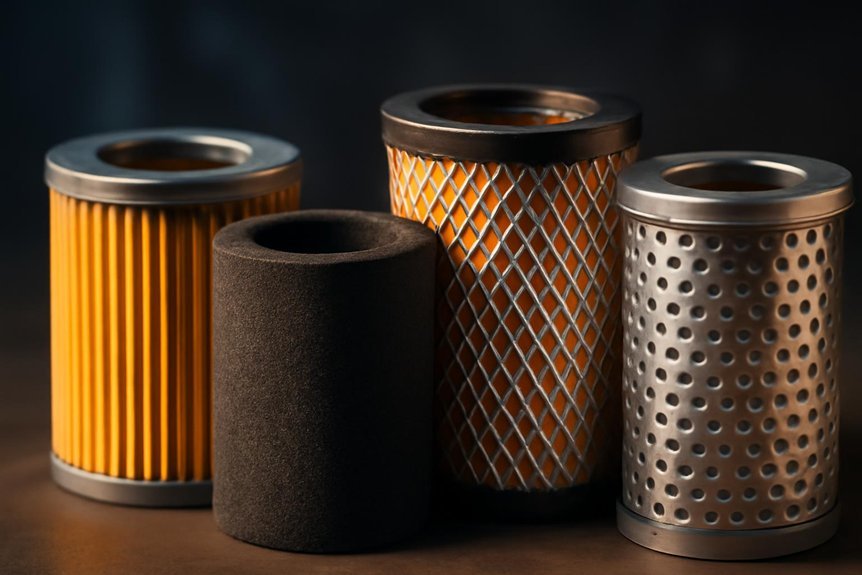
Understanding the different types of air compressor filters is essential for selecting the appropriate filtration system for specific applications. Recognizing each filter’s topic relevance helps us match performance requirements with operational needs. Mechanical filters, such as coalescing and particulate filters, remove solid particles and moisture, ensuring cleaner output. Adsorption filters, typically activated carbon, target oil vapors and odors, critical in sensitive environments. Oil removal filters are designed specifically to eliminate residual oil aerosols, protecting downstream equipment. Avoiding jargon ensures clarity in evaluating these options, emphasizing the filter’s function rather than complex terminology. By analyzing each filter’s capabilities and limitations, we can optimize air quality, minimize equipment wear, and improve overall system efficiency—key factors in effective compressor operation.
How to Determine the Right Filter Size for Your Compressor
How can you accurately determine the appropriate filter size for your compressor? The process involves analyzing technical specifications, primarily the airflow rate (CFM) and pressure ratings, rather than relying on irrelevant topics like unrelated concepts such as automotive paint color. Filter size correlates directly with the compressor’s intake and output dimensions, which are detailed in the manufacturer’s specifications. We measure the inlet and outlet ports and compare them against standard filter sizes. Using inaccurate measurements or ignoring these details can lead to selecting an irrelevant topic, which hampers performance. Precise sizing ensures optimal filtration without restricting airflow, preventing unnecessary wear and inefficiency. Therefore, it’s essential to rely on technical data rather than assumptions or irrelevant factors, ensuring the filter matches the compressor’s operational demands.
Key Factors to Consider When Choosing an Air Compressor Filter
When selecting an air compressor filter, we must evaluate filtration efficiency standards to ensure optimal removal of contaminants. Compatibility and size are equally critical to guarantee proper fit and performance within the system’s specifications. By carefully analyzing these factors, we can make informed choices that enhance compressor longevity and operational reliability.
Filtration Efficiency Standards
Have you considered how filtration efficiency standards directly impact the performance and longevity of your air compressor? These standards determine the filter’s ability to remove contaminants effectively, guaranteeing optimal contaminant removal while minimizing pressure drops. Higher filtration efficiency typically correlates with better removal of fine particles, oil aerosols, and moisture, which reduces wear and corrosion inside the compressor. It’s crucial to evaluate filter ratings such as MERV or ISO standards, which quantify filtration performance. Selecting a filter that meets or exceeds specific efficiency benchmarks ensures your system maintains clean, dry air, and operates reliably over time. Ignoring these standards can lead to increased downtime, maintenance costs, and compromised output quality. Therefore, understanding filtration efficiency standards is essential for making informed, performance-driven choices.
Compatibility and Size
Determining the compatibility and size of an air compressor filter is a critical step in ensuring optimal system performance. Compatibility considerations involve matching filter dimensions and connection types with existing compressor components to prevent leaks and airflow restrictions. Sizing methods, such as calculating airflow requirements and pressure differentials, help identify the correct filter capacity. Proper sizing ensures adequate filtration without overburdening the system.
- Verify thread sizes and connection types for seamless integration
- Measure existing filter housing dimensions accurately
- Assess airflow demands to select appropriate filter capacity
- Consider pressure ratings to match compressor specifications
- Use sizing methods to evaluate filtration longevity and efficiency
Focusing on these factors guarantees compatibility and optimal performance of your air filtration system.
The Benefits of High-Quality Filters for Your Equipment
High-quality filters markedly enhance the performance and longevity of air compressor equipment by effectively removing contaminants that can cause wear and reduce efficiency. They ensure cleaner, more reliable operation, minimizing downtime and maintenance costs. Superior filtration maintains optimal airflow and prevents particulate buildup, which can accelerate component degradation. Unlike unrelated topics such as random concept discussions, selecting high-grade filters directly correlates with operational stability and energy efficiency. These filters also help prevent the spread of airborne impurities, safeguarding both the equipment and surrounding environment. Investing in quality filters isn’t just about immediate performance; it’s an analytical choice that sustains long-term reliability. Ultimately, high-quality filters act as a critical line of defense, reducing the risk of unexpected failures and ensuring consistent, peak performance.
Comparing Replacement Filter Options and Lifespan
When selecting replacement filters for your air compressor, it’s essential to compare options based on both their filtration capabilities and expected lifespan. Higher-quality filters often provide superior contaminant removal, but may require more frequent replacing seals to maintain efficiency. Lifespan varies significantly, influenced by media type and operating conditions, impacting overall costs and filter disposal frequency. Additionally, consider filter construction—durable materials reduce the need for frequent replacements. Proper comparison involves assessing filtration efficiency ratings, service intervals, and compatibility with your compressor model. Replacing seals during filter changes ensures a tight seal and prevents bypass. Lastly, evaluating environmental factors and disposal regulations can optimize filter disposal practices, reducing environmental impact while maintaining system performance.
- Filtration efficiency ratings
- Service intervals
- Material durability
- Ease of replacing seals
- Filter disposal regulations
How to Install and Maintain Your Air Compressor Filter Properly
Proper installation and ongoing maintenance are essential to ensure optimal filter performance and compressor longevity. We’ll examine precise techniques for installing filters correctly and outline routine practices to prevent contamination and system inefficiencies. Implementing these steps consistently guarantees reliable operation and minimizes downtime.
Proper Installation Techniques
Have you guaranteed that your air compressor filter is installed correctly to maximize its efficiency and lifespan? Improper installation can lead to wrong installation issues, reducing filter effectiveness, increasing system noise, and impairing noise reduction. To avoid these problems, follow precise procedures:
- Confirm compatibility and correct orientation before mounting
- Guarantee all connections are airtight to prevent leaks
- Secure the filter firmly to avoid vibration and noise issues
- Check that the filter is seated properly to prevent bypassing contaminants
- Regularly inspect for signs of improper installation or wear
Correct installation optimizes airflow, minimizes vibrations, and enhances noise reduction. Avoiding wrong installation not only prolongs filter life but also maintains system efficiency, reducing operational costs and downtime. Proper setup is essential for optimal performance and longevity of your air compressor system.
Regular Maintenance Practices
Are you aware that consistent maintenance is essential for ensuring your air compressor filter functions at its best over its lifespan? Regular maintenance practices involve adhering to strict schedules for filter inspection, cleaning, and replacement, which prevent performance degradation. Implementing a systematic maintenance schedule ensures timely filter disposal and reduces downtime. Proper filter disposal is vital for environmental compliance and safety. Consider the following:
| Maintenance Step | Description |
|---|---|
| Inspection | Check for clogging or damage |
| Cleaning | Remove debris and contaminants |
| Replacement | Replace filters based on usage or time |
| Disposal | Follow environmental regulations |
Adhering to these practices optimizes filter efficiency, prolongs lifespan, and maintains system integrity.
Common Mistakes to Avoid When Selecting Filters
Why do so many choose filters based solely on price or appearance rather than technical specifications? This focus neglects critical factors like filtration efficiency, compatibility, and operating conditions, which are vital for optimal performance. A common mistake is selecting filters without considering the specific compressed air needs, akin to applying a random concept from unrelated topics—like choosing a filter based on color rather than function.
Choosing filters by appearance or price ignores crucial specs like efficiency and compatibility for optimal performance.
To avoid pitfalls:
- Prioritize technical specs over aesthetics
- Match filter ratings to your compressor’s requirements
- Ignore manufacturer guidelines at your peril
- Overlook the importance of flow rate and pressure drop
- Underestimate the long-term cost of low-quality filters
These errors can compromise system reliability and product lifespan, emphasizing the need for a precise, technical approach rather than superficial choices.
Cost Considerations: Balancing Price and Performance
When evaluating air compressor filters, balancing cost with performance requires a careful analysis of value rather than just initial expenditure. The key is to assess the long-term benefits, considering how well the filter maintains air quality and system efficiency. Cost vs performance is critical; a cheaper filter may save money upfront but could lead to higher maintenance costs or reduced equipment lifespan. Brand reliability plays a significant role here, as established brands often offer filters with consistent quality and durability, reducing the risk of failure. Investing in a higher-quality filter with proven reliability can ultimately lower total ownership costs. Therefore, a thorough comparison of price, performance metrics, and brand reputation helps ensure optimal performance without overspending.
Top Brands and Models for Air Compressor Filters
Identifying the top brands and models for air compressor filters involves analyzing their track records for reliability, filtration efficiency, and compatibility with various compressor systems. Leading brands like Parker, Donaldson, and Sullair consistently deliver high-performance filters known for their durability and effective contamination removal. These brands prioritize filter aesthetics, ensuring units are not only functional but also designed for easy maintenance and minimal system interference. Noise reduction is another critical factor, with top models incorporating advanced noise-dampening features to operate quietly. The most reputable models feature high-efficiency filtration media, reinforced construction, and seamless integration options. Selecting from these brands and models guarantees optimal air quality, longevity, and system performance.
Top air compressor filters combine durability, high filtration efficiency, and easy maintenance for optimal system performance.
- Parker’s Premium Series
- Donaldson’s P-Series
- Sullair’s Eco-Filter Line
- Camfil’s QuietFlow Models
- Ingersoll Rand’s Reliable Filters
Troubleshooting: Signs You Need a New Air Compressor Filter
Have you noticed a decline in your air compressor’s performance? Insufficient airflow often indicates a clogged filter, which hampers efficiency and increases operational strain. Additionally, a dirty filter can cause noise reduction issues, creating abnormal sounds due to airflow restriction. To diagnose, consider the following factors:
| Symptom | Potential Cause |
|---|---|
| Reduced airflow | Clogged or dirty filter |
| Excessive noise | Airflow restriction, filter buildup |
| Increased energy use | Struggling to maintain pressure |
| Overheating | Poor airflow cooling |
| Visible debris on filter | Need for replacement |
Monitoring these signs helps determine when a filter change is necessary, ensuring optimal performance and longevity.
Frequently Asked Questions
How Often Should I Replace My Air Compressor Filter?
We recommend replacing your air compressor filter every 3 to 6 months, depending on usage and environmental conditions, to ensure optimal filter maintenance and prevent contaminants from affecting compressor performance and longevity.
Can Different Filters Be Used Interchangeably?
Filters are like keys fitting specific locks; interchangeability is limited by compatibility considerations. Always verify manufacturer specifications to avoid compatibility limitations, ensuring optimal filtration performance and preventing potential damage or reduced efficiency in your compressor system.
What Environmental Factors Affect Filter Performance?
Environmental factors like humidity, temperature fluctuations, and airborne contaminants significantly influence filter performance. These conditions can cause clogging, reduce filtration efficiency, or accelerate wear, making it crucial to consider environmental conditions when selecting and maintaining air compressor filters.
Are There Eco-Friendly Filter Options Available?
Yes, eco-friendly filters are available, utilizing sustainable filtration materials like biodegradable fibers and recycled components. These options reduce environmental impact, offering a technically sound alternative for maintaining air quality while supporting eco-conscious practices.
How Do I Dispose of Used Filters Safely?
We dispose of used filters through designated hazardous waste disposal methods, ensuring safe handling and environmental protection. Proper disposal involves sealing filters in appropriate containers before transport to certified hazardous waste facilities, minimizing contamination risks.
Conclusion
In conclusion, selecting the right air compressor filter is crucial—up to 30% of compressor failures stem from inadequate filtration. Properly chosen filters ensure optimal performance, reduce maintenance costs, and extend equipment lifespan. By understanding filtration types, sizing, and key factors, we can make informed decisions that enhance efficiency and reliability. Prioritizing quality and maintenance ultimately safeguards your investment and maintains peak operational standards, preventing costly downtime and ensuring consistent airflow in demanding environments.