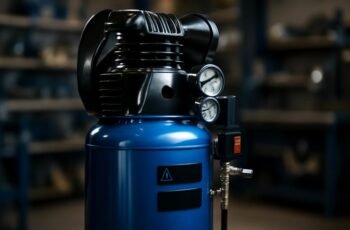
When selecting an energy-efficient air compressor, we understand that balancing performance with long-term operational costs is critical. A thorough evaluation of compressor types, efficiency metrics, and proper sizing can significantly influence sustainability and productivity. As we explore these factors, it becomes clear that strategic choices and maintenance practices can optimize energy use. To make informed decisions, it’s essential to understand the nuances behind these technical considerations—an area where many overlook potential efficiencies.
Key Takeaways
- Prioritize compressors with advanced energy labeling standards to easily compare efficiency metrics.
- Opt for variable speed drive (VSD) or inverter-driven models for demand-based power optimization.
- Ensure proper sizing and capacity to prevent energy waste from over or under-sizing.
- Choose units with high-quality components like insulated motors and precision valves to reduce energy loss.
- Maintain regular servicing and filters to sustain optimal efficiency and prolong compressor lifespan.
What Are the Key Features of Energy-Efficient Air Compressors?
What are the essential features that distinguish energy-efficient air compressors from conventional models? Primarily, they incorporate advanced energy labeling standards that clearly communicate their efficiency metrics, enabling informed decisions. These units often utilize variable speed drives, optimizing power consumption based on demand and reducing unnecessary energy use. Additionally, they employ recycled lubricants, which enhance sustainability by minimizing environmental impact and maintaining optimal machine performance. High-quality components, such as insulated motors and precision-engineered valves, further improve efficiency by reducing energy loss. Overall, these features enable energy-efficient compressors to operate with lower operational costs and a reduced carbon footprint, aligning with sustainable practices. Their design emphasizes both performance and environmental responsibility, making them superior choices in modern industrial applications.
How to Evaluate the Energy Efficiency of Different Models
To accurately compare models, we focus on energy consumption metrics such as power usage and operational efficiency. Efficiency certification standards, like ISO or EPA ratings, provide objective benchmarks for evaluating performance. By analyzing these data points, we can identify compressors that optimize energy use while maintaining productivity.
Energy Consumption Metrics
How can we accurately assess the energy efficiency of different air compressor models? We focus on energy consumption metrics, which quantify how much power a compressor uses relative to output. Key metrics include power input (kW), operating hours, and specific energy consumption (SEC), expressed as kWh per CFM. These metrics reveal potential side effects, like increased energy costs and wear on conditioning devices. To compare models effectively, consider the Total Energy Efficiency Ratio (TEER), which accounts for operational factors. Below is a simplified comparison:
| Metric | Significance |
|---|---|
| Power input (kW) | Lower values indicate higher efficiency |
| SEC (kWh/CFM) | Lower SEC means less energy per output |
| Operating hours | Longer hours increase total consumption |
| Total energy use | Combines all factors for overall assessment |
| Side effects | Excessive consumption impacts lifespan |
Efficiency Certification Standards
Evaluating the energy efficiency of different air compressor models requires adherence to established certification standards that verify performance claims. These standards, aligned with energy policy directives, provide objective benchmarks for efficiency and sustainability metrics. Certification programs like ISO 50001 or the CE mark ensure that models meet rigorous criteria for energy use, reducing environmental impact. By analyzing certified models, we can identify those with optimized energy consumption, lower operational costs, and minimal carbon footprint. These standards serve as critical tools for technical assessment, enabling informed decisions aligned with sustainability goals. Ultimately, adhering to recognized efficiency certification standards ensures that selected compressors contribute meaningfully to energy conservation and sustainable industrial practices.
Best Types of Compressors for Saving Energy
Are certain compressor types inherently more energy-efficient than others? Yes, selecting the best types for energy savings involves analyzing their operational efficiencies and load adaptability. Variable Speed Drive (VSD) compressors stand out by adjusting motor speed to match demand, reducing unnecessary energy consumption. Scroll compressors, with fewer moving parts, offer lower friction and heat loss, enhancing efficiency. Rotary screw compressors provide consistent performance with high efficiency in continuous operation. Centrifugal compressors excel at large-scale, steady workloads, minimizing energy waste.
- VSD compressors adapt seamlessly to fluctuating demands, maximizing savings.
- Scroll compressors minimize energy loss through fewer moving parts.
- Rotary screw models deliver reliable, energy-efficient continuous operation.
- Centrifugal units are optimal for high-volume, steady-duty environments.
- Inverter-driven systems optimize power use for various applications.
Tips for Properly Maintaining Your Air Compressor to Maximize Efficiency
Maintaining optimal lubrication levels and performing regular filter and drain checks are essential to ensure your compressor operates efficiently over time. These routines reduce energy consumption by minimizing mechanical wear and preventing system blockages. Consistent monitoring and timely maintenance are crucial for sustaining performance and prolonging equipment lifespan.
Regular Lubrication Checks
How often do we consider the importance of proper lubrication in optimizing air compressor performance? Regular lubrication checks are essential to prevent irrelevant lubrication, which can lead to increased wear and energy loss. Neglecting this aspect often results in unrelated maintenance issues that compromise efficiency.
Key points include:
- Monitoring oil levels to ensure optimal viscosity and film strength
- Using manufacturer-recommended lubricants to avoid irrelevant lubrication pitfalls
- Scheduling routine checks to identify early signs of lubricant degradation
- Avoiding unrelated maintenance tasks that may disrupt lubrication cycles
- Recognizing that improper lubrication directly impacts system longevity and energy consumption
Consistent, analytical oversight of lubrication practices helps us sustain compressor efficiency and prevent unnecessary operational costs.
Filter and Drain Maintenance
Have you ever considered how much dirt and moisture can accumulate in your compressor’s filters and drains, ultimately reducing efficiency? Regular filter and drain maintenance is essential for optimal performance. Dirty filters can increase filtering noise, hampering airflow and raising energy consumption. We recommend scheduled drain maintenance to prevent moisture buildup, which can cause corrosion and component failure. Proper drain scheduling ensures moisture is expelled efficiently, maintaining system integrity. Additionally, inspecting filters for clogging and replacing them when necessary minimizes airflow restrictions. Consistent maintenance reduces unnecessary energy use, prolongs equipment life, and enhances overall efficiency. By staying vigilant about filtering noise and adhering to a rigorous drain schedule, you ensure your compressor operates at peak efficiency with minimal downtime.
How Size and Capacity Impact Energy Use
Ever wondered how the size and capacity of an air compressor directly influence its energy consumption? Understanding the size impact and capacity effects is crucial for optimizing efficiency. A compressor that’s too large for your needs wastes energy during unnecessary operation, while an undersized unit struggles to meet demand, causing frequent cycling and increased wear. Proper capacity alignment minimizes energy spikes and maintains steady airflow.
Choosing the right compressor size boosts efficiency, reduces energy waste, and ensures consistent airflow.
Consider these key points:
- Oversized compressors lead to higher energy costs and environmental impact.
- Undersized units cause frequent cycling, increasing operational inefficiency.
- Correct capacity reduces idle time, conserving power.
- Proper size selection enhances system longevity.
- Optimizing size and capacity balances operational performance with sustainability.
The Role of Inverter Technology in Energy Savings
Inverter technology plays a pivotal role in enhancing the energy efficiency of modern air compressors by dynamically adjusting motor speed to match demand. This is achieved through variable frequency drives (VFDs), which modulate motor operation based on real-time airflow requirements. By aligning energy consumption precisely with workload, inverter systems markedly reduce power waste common in traditional fixed-speed compressors. Proper inverter maintenance is essential to sustain peak performance and prevent efficiency loss; neglecting this can lead to increased energy use and potential equipment failure. The ability of VFDs to optimize motor speed ensures lower energy costs and extended equipment lifespan, making inverter technology a crucial component in sustainable compressed air systems. This approach emphasizes minimizing energy waste while maintaining operational reliability.
Comparing Initial Costs Versus Long-Term Savings
When evaluating air compressor options, it’s essential to weigh the initial purchase costs against the potential for long-term savings. Focusing solely on the upfront expense can be misleading, especially if the analysis ignores operational costs and energy efficiency. Choosing a model based on the wrong topic, such as unrelated focus on initial price without considering energy savings, often leads to higher overall costs.
Consider these factors:
- Lower energy bills over the compressor’s lifespan
- Reduced maintenance costs with advanced, efficient models
- Increased productivity due to reliable operation
- Environmental impact aligned with sustainability goals
- Hidden costs from frequent repairs of cheaper units
Balancing initial costs with long-term savings ensures a more sustainable, financially sound investment, avoiding the pitfalls of a wrong topic or unrelated focus in decision-making.
Common Mistakes That Reduce Compressor Energy Efficiency
What are some common mistakes that notably undermine compressor energy efficiency? One major error is overlooking the impact of contrast biases and falling for marketing misrepresentations, which can lead to overestimating performance and underestimating operational costs. Additionally, improper sizing, such as selecting a compressor too large or small for the application, wastes energy. Failing to perform regular maintenance, like neglecting filter replacements or misadjusting controls, also causes efficiency drops.
| Mistake | Impact |
|---|---|
| Ignoring contrast biases | Misjudging true efficiency potential |
| Falling for marketing misrepresentations | Overestimating compressor capabilities |
| Incorrect sizing | Excess energy use or insufficient airflow |
| Poor maintenance | Reduced performance and increased energy use |
Frequently Asked Questions
How Do Environmental Conditions Affect Air Compressor Energy Efficiency?
Environmental conditions like high altitude and humid climates directly influence air compressor efficiency by increasing power consumption, causing potential overheating, and affecting moisture control, which necessitates tailored, sustainable solutions to maintain optimal performance and energy savings.
What Are the Best Practices for Selecting an Energy-Efficient Compressor?
We select an energy-efficient compressor through rigorous energy auditing, implementing advanced control strategies, analyzing operational data, and prioritizing sustainable features, ensuring optimal performance, reduced energy consumption, and alignment with environmental and cost-saving goals.
Can Retrofitting Existing Compressors Improve Energy Efficiency?
Retrofitting existing compressors markedly enhances energy efficiency by releasing retrofitting potential, optimizing system performance, and reducing operational costs, especially when combined with maintenance incentives. This technical approach supports sustainable practices and long-term energy savings.
How Does Compressor Noise Level Relate to Energy Consumption?
Noise level directly impacts energy consumption, as higher noise often signals inefficiencies like heat loss and energy waste; reducing noise enhances efficiency, minimizes heat, and conserves energy, making compressors more sustainable and environmentally friendly in operation.
What Are the Latest Innovations in Energy-Efficient Compressor Technology?
We see innovations like energy-efficient compressors with advanced, innovative motors and variable frequency drives, which optimize performance, reduce energy consumption, and enhance sustainability, making them essential for efficient, eco-friendly industrial operations.
Conclusion
In conclusion, choosing an energy-efficient air compressor is like planting a seed for sustainable growth—it requires careful selection, diligent maintenance, and strategic planning. While initial costs may seem high, the long-term savings and reduced environmental impact prove that a well-chosen compressor is an investment in efficiency and reliability. By understanding key features and avoiding common pitfalls, we can optimize performance and guarantee our systems run smoothly—fueling a greener, more sustainable future.