Consider a manufacturing facility that experienced unexpected compressor downtime due to overlooked maintenance issues, highlighting the critical need for a structured approach. Proper upkeep of an electric stationary air compressor isn’t just about avoiding costly repairs; it directly influences operational efficiency and safety. Understanding the nuances of routine inspections, component upgrades, and troubleshooting can make the difference between steady productivity and costly disruptions. Exploring these essential practices can help you develop a maintenance strategy that safeguards your equipment’s longevity and performance.
Key Takeaways
- Regularly check and replace oil and filters to ensure proper lubrication and prevent contamination.
- Inspect and tighten hoses and connections to prevent leaks and system failures.
- Maintain cooling systems by cleaning fins and verifying coolant levels to prevent overheating.
- Calibrate pressure gauges and test safety valves to ensure accurate pressure monitoring and safety.
- Schedule routine inspections and record maintenance activities to prolong compressor lifespan and optimize performance.
Why Regular Maintenance Extends Your Air Compressor’s Lifespan
Regular maintenance is essential because it directly impacts the durability and operational efficiency of an air compressor. Proper upkeep minimizes wear and tear, preventing premature component failure. Consistently inspecting and tuning the system enhances energy conservation by optimizing compressor performance, reducing power consumption. Additionally, maintenance reduces operational noise levels through the identification and mitigation of vibrating or loose parts, which can contribute to noise pollution. By ensuring components like belts, valves, and seals are in best possible condition, we extend the compressor’s lifespan while maintaining efficiency. Regular lubrication and cleaning prevent overheating and corrosion, further supporting longevity. Ultimately, diligent maintenance not only preserves the compressor’s structural integrity but also promotes energy efficiency and quieter operation, safeguarding both equipment and the work environment.
How to Check and Replace Compressor Oil and Filters
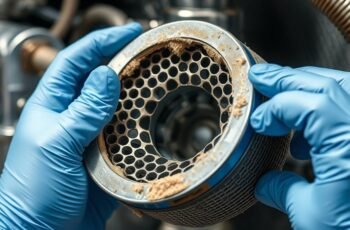
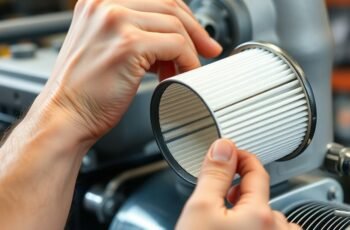
Checking and replacing compressor oil and filters is a fundamental step in maintaining ideal performance and preventing costly breakdowns. Proper compressor lubrication reduces friction and wear on moving parts, ensuring efficient operation. To check oil levels, shut down the compressor and locate the oil sight glass or dipstick; the oil should be clean and at the recommended level. During oil filter replacement, remove the old filter, inspect the housing for debris, and install a new filter, ensuring proper sealing. Regular oil changes are critical, especially in high-use environments. This process helps prevent contamination and maintains best lubrication. Keeping the oil clean and filters in good condition minimizes strain on components, extends compressor lifespan, and sustains peak performance.
Inspecting and Tightening Hoses and Connections for Safety
Since loose or damaged hoses and connections can lead to leaks or system failures, it’s essential to thoroughly inspect and tighten them during maintenance. We focus on hose integrity to guarantee materials haven’t deteriorated or developed cracks, which could compromise system performance. Connection security is equally critical; we check for loose fittings or signs of wear that might cause leaks under pressure. Using appropriate tools, we tighten fittings to manufacturer specifications, avoiding over-tightening that could damage components. Regular inspection allows us to identify early signs of degradation, preventing potential failures. Maintaining proper hose integrity and connection security ensures safe, efficient operation, reduces downtime, and prolongs equipment lifespan. This proactive approach is fundamental for reliable compressor performance.
Cleaning the Cooler and Cooling System for Optimal Performance
Regular inspection of cooling fins guarantees efficient heat dissipation, preventing system overheating. We must remove dust and debris from the cooler surfaces to maintain ideal airflow and cooling capacity. Additionally, verifying coolant levels helps sustain proper thermal regulation and compressor performance.
Inspect Cooling Fins Regularly
How often do we consider the critical role that cooling fins play in maintaining compressor efficiency? Regular inspection of cooling fins is essential to prevent performance degradation. An effective inspection schedule involves:
- Visual checks for bent, damaged, or corroded fins that impede airflow.
- Ensuring fins are free of debris or obstructions that could block heat transfer.
- Measuring fin temperature to identify hotspots indicating cooling inefficiencies.
Clean Dust and Debris
Have you considered how dust accumulation and debris buildup can substantially impair your compressor’s cooling efficiency? Over time, dust and debris obstruct airflow within the cooler and cooling system, leading to decreased heat dissipation. Effective debris removal is essential to maintain ideal thermal performance. We recommend carefully inspecting cooling fins and heat exchangers, then using compressed air or soft brushes to dislodge accumulated dust and debris. Avoid aggressive cleaning methods that could damage components. Regular cleaning ensures unobstructed airflow, preventing overheating and potential system failures. Maintaining a clean cooling system not only prolongs the compressor’s lifespan but also enhances overall efficiency. By systematically removing dust and debris, you guarantee the cooling system operates within its designed parameters, supporting consistent, reliable compressor performance.
Check Coolant Levels
Ensuring the coolant levels are adequate is critical for maintaining ideal cooling system performance in your stationary air compressor. A proper coolant check prevents overheating and maintains operational efficiency. During the coolant check, focus on verifying that coolant levels are within the recommended range, and inspect for any signs of leaks or contamination.
Key steps include:
- Confirm the coolant level matches manufacturer specifications, refilling if necessary.
- Inspect the coolant for clarity, discoloration, or debris, which indicate potential system issues.
- Clean the cooler and cooling system components to remove any buildup that could impede heat transfer.
Maintaining accurate coolant levels and a clean cooling system ensures optimal heat dissipation, reducing wear and extending compressor lifespan.
Monitoring and Adjusting Pressure Settings Correctly
To guarantee ideal operation, we must regularly check pressure levels and verify that gauges provide accurate readings. Adjusting safety valves appropriately prevents over-pressurization, while precise calibration of pressure gauges maintains measurement reliability. Consistent monitoring and adjustments are essential for safe and efficient compressor performance.
Checking Pressure Regularly
Regularly checking the pressure gauge is crucial for maintaining peak compressor performance and safety. Accurate pressure monitoring ensures the system operates within ideal parameters, preventing over-pressurization or underperformance. To achieve this, we recommend verifying gauge calibration periodically, as inaccuracies can lead to misjudged pressure levels. Key steps include:
- Inspect the gauge for signs of wear or damage to ensure reliable readings.
- Compare the gauge reading against a calibrated reference to confirm accuracy, adjusting or replacing if discrepancies arise.
- Monitor pressure trends over time to identify potential issues with pressure regulation or sensor drift, enabling proactive maintenance.
Consistent pressure checks and proper gauge calibration are essential for both safety compliance and operational efficiency.
Adjusting Safety Valves
Adjusting safety valves accurately is essential for maintaining proper pressure levels and preventing equipment failure or safety hazards. Proper safety valve calibration ensures the valve opens at the designated pressure, safeguarding the compressor and personnel. We conduct pressure relief testing periodically to verify the valve’s responsiveness and accuracy under operational conditions. During testing, we incrementally increase pressure until the valve activates, confirming its set point aligns with manufacturer specifications. If discrepancies occur, recalibration or replacement is necessary to restore correct operation. Maintaining precise pressure relief settings minimizes the risk of over-pressurization, which could lead to catastrophic failure. Regular monitoring and adjustment of safety valves are critical components of compressor maintenance, ensuring safety, compliance, and ideal performance over the equipment’s lifespan.
Calibrating Pressure Gauges
How can we guarantee pressure gauges provide accurate readings during compressor operation? Proper pressure calibration is essential for maintaining gauge accuracy. We start by comparing the gauge against a calibrated reference device, ideally using a dead-weight tester or a master gauge. Next, we analyze potential sources of error, such as mechanical drift or environmental factors, and account for them. Finally, adjustments are made if the gauge exceeds acceptable tolerances, assuring it reflects true pressure values. Key steps include:
- Conducting regular calibration checks against a certified standard
- Documenting gauge deviations and performing necessary adjustments
- Implementing a maintenance schedule to monitor gauge accuracy over time
These procedures ensure reliable pressure readings, optimizing safety and system performance.
Troubleshooting Common Compressor Issues Before They Escalate
Identifying and addressing common compressor issues early is essential to prevent costly downtime and equipment damage. Excessive compressor noise often indicates underlying mechanical problems, such as worn bearings or misaligned components, which can lead to increased vibration and accelerated wear. Vibration issues, if ignored, may signal imbalance or loose mounting hardware, risking structural failure. Regular inspection of noise levels and vibration patterns helps detect early signs of component deterioration. Using vibration analysis tools and listening for abnormal sounds allows us to isolate problem areas before they escalate. Promptly addressing these issues by tightening mounts, replacing worn parts, or realigning components ensures ideal operation. Proactive troubleshooting minimizes downtime, maintains efficiency, and extends the lifespan of the compressor.
Best Practices for Electrical System Inspections and Safety
Regular inspection of electrical connections guarantees system reliability and prevents potential faults. Proper grounding practices are essential to safeguard personnel and equipment from electrical hazards. By adhering to these best practices, we can maintain a safe and efficient compressor operation.
Check Electrical Connections Regularly
To guarantee the safe and efficient operation of stationary air compressors, we must prioritize inspecting electrical connections regularly. Routine wiring inspections help identify early signs of wear, corrosion, or loose connections that pose electrical hazards. Faulty connections can lead to overheating, arcing, or equipment failure, compromising safety and performance.
Key steps include:
- Visual Examination: Check for discoloration, corrosion, or frayed wiring that indicate deterioration.
- Tightening Connections: Ensure all terminal screws and connectors are secure, preventing arcing and overheating.
- Testing Insulation Resistance: Use a megohmmeter to verify wiring insulation integrity, reducing shock risks and electrical hazards. Regular inspections allow us to mitigate hazards proactively, ensuring reliable operation and personnel safety.
Ensure Proper Grounding Practices
Why is proper grounding essential for the safe operation of stationary air compressors? Proper electrical grounding guarantees grounding safety, preventing electrical faults from causing shocks or equipment damage. Effective electrical grounding dissipates fault currents safely into the earth, reducing risk. To illustrate, consider the following table:
| Grounding Practice | Purpose |
|---|---|
| Proper conductor sizing | Ensures current capacity and safety |
| Regular inspections | Detects degradation or loose connections |
| Certified grounding systems | Guarantees compliance and reliability |
Implementing these practices minimizes electrical hazards, enhances system reliability, and guarantees compliance with safety standards. Regular inspections of grounding connections and adherence to certified grounding standards are vital for ideal electrical grounding. Proper grounding practices are fundamental to maintaining safe, efficient compressor operation and protecting personnel from electrical hazards.
Scheduling Routine Maintenance and Keeping Records
Effective scheduling of routine maintenance is essential for guaranteeing the reliable operation of stationary air compressors. Regular maintenance maximizes energy conservation, reduces noise levels, and prevents costly breakdowns. To achieve this, we recommend:
- Establishing a maintenance calendar aligned with manufacturer guidelines, emphasizing critical tasks like filter replacements and lubrication.
- Documenting all servicing activities meticulously, including dates, parts replaced, and issues identified, to track performance trends and facilitate troubleshooting.
- Incorporating periodic performance assessments to identify inefficiencies, which can contribute to energy savings and noise reduction over time.
Consistent record-keeping enables proactive adjustments, minimizes downtime, and ensures compliance with operational standards, ultimately supporting peak compressor performance and lifespan.
Upgrading Components and When to Consider Professional Servicing
Upgrading compressor components is a critical aspect of maintaining prime performance and extending equipment lifespan, especially as technological advancements offer improved efficiency and durability. When considering component upgrades, it’s vital to evaluate whether existing parts meet current operational demands or require modernization. Professional servicing ensures precise installation and reduces the risk of costly errors, particularly for complex or critical upgrades. Recognizing signs such as persistent pressure drops, unusual noise, or increased energy consumption can indicate the need for professional intervention.
| Component Condition | Upgrade Timing | Service Recommendation |
|---|---|---|
| Worn or outdated parts | During scheduled maintenance | When precision is necessary |
| Technological obsolescence | As efficiency gains are desired | For critical system components |
| Frequent failures | Post-failure diagnostics | For system integrity and safety |
Tips to Maximize Efficiency and Reduce Operational Costs
Optimizing the operation of stationary air compressors directly impacts both energy consumption and maintenance costs. Implementing energy-efficient motors reduces electrical load and improves overall efficiency. Regularly inspecting and maintaining these motors guarantees peak performance and prevents energy waste. Additionally, noise reduction techniques—such as installing silencers or vibration isolators—minimize operational disturbances and extend component life. To maximize efficiency, consider these strategies:
Optimizing compressor operation reduces energy costs, enhances performance, and minimizes noise and wear.
- Upgrade to energy-efficient motors with variable frequency drives for precise control.
- Incorporate noise reduction techniques to lower energy losses caused by vibrations and air leaks.
- Monitor system pressures closely to avoid over-pressurization, which increases energy consumption and wear.
Frequently Asked Questions
How Often Should Compressor Parts Be Replaced Regardless of Usage?
We recommend replacing compressor parts annually, regardless of usage, to maintain ideal performance. Adhering to lubrication schedules and filter replacement frequency ensures longevity and efficiency, preventing unexpected failures and ensuring the compressor operates smoothly over its lifespan.
What Are Signs of Potential Electrical System Failures?
Electrical system failures often reveal themselves through electrical hazards like sparks or burning smells, and wiring inspections may show frayed or loose connections. These signs signal the need for immediate technical analysis to prevent equipment damage or safety risks.
How Can I Safely Shut Down the Compressor for Maintenance?
We follow strict shutdown procedures and safety protocols, including disconnecting power, releasing pressure, and verifying zero electrical activity, ensuring safe maintenance access. Adhering to these steps minimizes risk and maintains system integrity during compressor servicing.
Are There Specific Maintenance Tasks for Different Compressor Models?
We find that maintenance tasks vary considerably across compressor models, requiring precise model-specific calibration and adherence to lubrication schedules. This specificity guarantees peak performance, preventing catastrophic failures and extending equipment lifespan through diligent, tailored maintenance practices.
What Environmental Factors Impact Compressor Maintenance Needs?
Environmental factors like air quality and temperature fluctuations directly influence compressor maintenance needs; poor air quality introduces contaminants, while temperature changes cause expansion or contraction of components, requiring us to regularly inspect filters, cooling systems, and seals for ideal performance.
Conclusion
In the end, neglecting regular maintenance might seem convenient—until unexpected breakdowns, costly repairs, or safety hazards remind us why proactive care is essential. It’s ironic how a little routine upkeep can dramatically extend your compressor’s lifespan and efficiency, yet many overlook these steps until failure strikes. By prioritizing scheduled inspections and upgrades, we guarantee reliability and safety, proving that in this case, prevention truly is better than cure—though it’s often overlooked until it’s too late.