Like a ship lost at sea without a compass, an air compressor that fails to build pressure signals underlying issues that require precise diagnosis. When pressure doesn’t rise as expected, it often points to leaks, blockages, or faulty components—each with its own implications. Understanding these potential causes is essential to restoring functionality and ensuring safe operation. Let’s explore the common reasons behind this problem and how to systematically address them.
Key Takeaways
- Check for air leaks in fittings, hoses, or seals using soapy water or ultrasonic detectors.
- Inspect filters and intake vents for blockages or debris restricting airflow.
- Verify the pressure switch is functioning correctly and calibrated to the proper cut-in and cut-out settings.
- Examine valves and safety relief valves for sticking, damage, or leaks.
- Ensure the motor and electrical components are operating properly, without overheating or abnormal noises.
How Do Air Compressors Build Pressure and Why Might They Fail?
Air compressors build pressure by drawing in atmospheric air through an intake valve and then compressing it within a confined space, typically using a piston or rotary screw mechanism. During operation, the compressor’s internal components generate heat and friction, making regular air compressor maintenance vital to guarantee peak performance. Failure to perform proper maintenance can lead to component wear, leaks, or blockages that prevent pressure buildup. Safety precautions are critical during maintenance to prevent injuries from high-pressure air or moving parts. If the compressor’s pressure does not increase as expected, it might be due to issues like worn piston rings, damaged valves, or insufficient oil levels. Addressing these problems promptly through proper maintenance and safety measures helps prevent compressor failure and prolongs its service life.
Common Signs That Your Air Compressor Isn’t Building Pressure
When your compressor fails to build pressure, several clear indicators can alert you to underlying issues. A sudden drop in pressure during operation suggests internal component failure or inadequate air compressor maintenance. Unusual noises such as hissing or banging often indicate leaks, blockages, or mechanical wear. If the compressor runs continuously without reaching the desired pressure, it might be a sign of a faulty pressure switch or valve. Additionally, overheating or excessive vibration can signal component stress or imbalance. Recognizing these signs early allows for prompt troubleshooting while adhering to safety precautions to prevent injury. Regular inspection and maintenance are essential to diagnose and resolve pressure issues efficiently, ensuring safe operation and prolonging your compressor’s lifespan.
Checking for Leaks: Is Air Escaping From Your System?
Leaks are a common cause of pressure loss in compressed air systems, often occurring unnoticed and compromising efficiency. To detect leaks, we recommend thorough air compressor maintenance, including listening for hissing sounds and using soapy water on fittings and hoses to identify escaping air. An uncalibrated pressure gauge can mislead diagnosis, so verify pressure gauge calibration before testing. A consistent drop in system pressure with the compressor off indicates potential leaks. Using a leak detection solution or ultrasonic leak detector can pinpoint small leaks that are hard to see. Addressing leaks promptly restores system efficiency and prevents unnecessary compressor workload. Regular maintenance and accurate pressure gauge calibration are essential to reliably identify and repair leaks, guaranteeing peak compressor performance.
Inspecting the Air Intake and Filters for Blockages
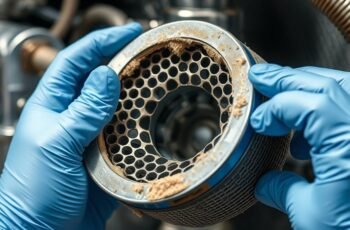
We need to verify that the air intake vent is clear of obstructions to guarantee proper airflow. Next, we should examine the condition of the filters, replacing or cleaning them if they’re clogged or dirty. Finally, any blockages in the intake pathway must be thoroughly cleared to restore peak compressor performance.
Check Air Intake Vent
A blocked or dirty air intake vent can considerably hinder your compressor’s ability to build pressure, as it restricts airflow essential for peak performance. Ensuring the intake vent is unobstructed is essential for maintaining proper airflow within the ventilation system. We recommend inspecting the vent for debris, dust, or obstructions that could impair airflow. Regular air filter maintenance is important, as a clogged filter can mimic intake blockages, reducing airflow efficiency. Confirm that the vent’s pathway is clear and free of any buildup that could restrict air movement. Properly functioning ventilation system components allow unrestricted airflow, which is critical for the compressor’s pressure-building capacity. Addressing intake vent blockages promptly prevents pressure loss and supports consistent compressor operation.
Examine Filter Condition
Inspecting the condition of the air intake filters is a critical step in diagnosing pressure issues. Proper air filter maintenance guarantees unobstructed airflow, which directly impacts compressor efficiency. Dust accumulation on filters can notably restrict airflow, causing a drop in pressure buildup. We recommend inspecting the filters regularly for visible dirt or debris. If dust or other particulates have accumulated, clean or replace the filters promptly. A clogged filter forces the compressor to work harder, reducing its ability to generate pressure. Ensuring filters are clean and free of dust buildup maintains ideal airflow and compressor performance. Neglecting this step can lead to pressure loss, overheating, or increased wear on internal components. Accurate diagnosis depends on verifying that filters are clean and functioning correctly.
Clear Obstructions Thoroughly
To guarantee your air compressor builds pressure effectively, thoroughly clearing any obstructions from the air intake and filters is vital. Begin with air filter maintenance by inspecting and cleaning or replacing clogged filters to facilitate unobstructed airflow. Check the air intake for debris, dust, or blockages that could restrict air entry. Additionally, verify the oil level, as low oil can impair compressor performance and cause pressure issues. Proper oil lubrication ensures internal components function smoothly, reducing the risk of internal obstructions or overheating that might impede pressure buildup. Regular inspection of these elements is essential for peak operation. By maintaining clean air filters, clearing obstructions, and monitoring oil levels, you help guarantee the compressor operates efficiently and maintains consistent pressure output.
Diagnosing Faulty Valves and Their Impact on Pressure
Faulty valves can considerably hinder pressure buildup in your compressor, often due to seal failures, blocked ports, or improper installation. We need to systematically inspect these components to identify leaks or misalignments that compromise airflow. Addressing these issues promptly guarantees ideal compressor performance and pressure consistency.
Valve Seal Failures
Valve seal failures are a common cause of pressure loss in air compressors, as compromised seals allow compressed air to escape prematurely. Seal degradation over time weakens the integrity of the valve, leading to inefficient compression and reduced pressure buildup. Diagnosing this issue involves inspecting the seals for signs of wear, cracking, or deterioration. If seal failure is confirmed, valve replacement becomes necessary to restore proper function. Proper sealing ensures minimal air leakage and maintains peak compressor performance.
- Visual inspection for cracks or tears in seals
- Listening for hissing sounds indicating air leakage
- Checking for decreased pressure despite extended run times
- Replacing worn or damaged seals promptly to prevent further damage
Blocked Valve Ports
Blocked valve ports can considerably hinder an air compressor’s ability to build pressure, as they prevent proper airflow through the system. This issue often results from debris or residue accumulation, which can be exacerbated by a clogged air filter. Valve blockage restricts the movement of air into or out of the compressor, reducing efficiency and pressure output. To diagnose this problem, inspect the valve ports for obstructions and verify the air filter is clean and free of debris. A blocked valve port can cause pressure buildup issues and reduce compressor performance. Clearing any blockages restores airflow, allowing the compressor to operate correctly. Regular maintenance, including cleaning or replacing the air filter and inspecting valve ports, is essential for preventing valve blockage and ensuring consistent pressure development.
Incorrect Valve Installation
Incorrect installation of valves can considerably compromise an air compressor’s ability to build pressure efficiently. Improper valve installation techniques during air compressor maintenance can lead to leaks, improper sealing, or misalignment, which diminish pressure buildup. Faulty valve placement affects airflow regulation, causing pressure losses and reducing overall compressor performance. To avoid these issues, guarantee correct orientation and secure fittings during installation.
Key points to contemplate include:
- Verifying valve direction aligns with airflow direction specifications
- Ensuring gasket surfaces are clean and properly seated
- Using appropriate torque settings for fittings
- Inspecting for debris or damage that could impede sealing
Mastering proper valve installation techniques is essential for maintaining ideal pressure and extending the lifespan of the compressor.
Evaluating the Pressure Switch and Its Role in Maintaining Pressure
The pressure switch plays a critical role in regulating the air compressor’s operation by signaling when to activate or deactivate the motor based on preset pressure levels. If the switch malfunctions, the compressor may fail to build pressure or cycle improperly. Regularly inspecting the pressure switch as part of your maintenance schedule guarantees it responds accurately. Faulty switches can cause pressure loss or pressure buildup issues, impacting compressor performance. To diagnose, verify the switch’s contacts and settings, ensuring they align with manufacturer specifications. Here’s a concise overview:
| Parameter | Normal Range | Troubleshooting Tips |
|---|---|---|
| Cut-in pressure | 90-110 PSI | Adjust if needed |
| Cut-out pressure | 120-140 PSI | Replace if faulty |
| Switch contacts | Open/close properly | Clean or replace |
| Response time | Instant | Test with multimeter |
| Calibration | Accurate | Recalibrate regularly |
Assessing the Compressor Motor and Electrical Components
To diagnose motor-related issues, we first verify that the compressor motor is functioning correctly by listening for unusual noises or signs of failure. Next, we inspect electrical connections to guarantee they are secure, free of corrosion, and providing proper voltage. Addressing these points helps isolate electrical or motor faults that could prevent pressure buildup.
Motor Functionality Checks
How can we determine if the compressor motor and electrical components are functioning properly? First, inspect the motor for signs of overheating or abnormal noise, which may indicate lubrication maintenance issues. Verify that the motor is receiving correct voltage and that electrical connections are secure. Conduct a visual check of the capacitor and contactors for signs of wear or damage. Additionally, ensure the compressor calibration is accurate, as improper calibration can cause motor strain without building pressure. Use a multimeter to test continuity and resistance in electrical components. Finally, confirm that the motor’s thermal overload switch isn’t tripped, ensuring smooth operation essential for building pressure efficiently. Proper motor function is critical for compressor performance and pressure development.
Electrical Connection Integrity
Ensuring the integrity of electrical connections is essential for reliable compressor operation and pressure buildup. Poor wiring or loose connections can cause intermittent power supply issues, leading to motor failure or insufficient pressure. During wiring troubleshooting, check for damaged, frayed, or corroded wires, and verify all terminals are securely connected. Prioritize electrical safety by disconnecting power before inspecting components. Use a multimeter to test voltage and continuity, ensuring electrical signals reach the motor without interruption. Faulty contactors or relays should be replaced immediately to prevent further damage. Properly maintained wiring connections not only promote consistent compressor performance but also reduce the risk of electrical hazards. Regular inspections of electrical components are crucial for safe, efficient operation.
Understanding the Role of the Pressure Relief Valve and When It Fails
The pressure relief valve plays a crucial role in maintaining safe operating conditions within an air compressor by automatically releasing excess pressure. It guarantees pressure safety by preventing over-pressurization that could damage components or cause hazards. Proper valve calibration is essential; inaccurate settings may lead to premature release or failure to relieve excess pressure. When the valve malfunctions, it can either stay closed, risking overpressure, or open constantly, reducing system efficiency. Common failure points include debris buildup, corrosion, or mechanical wear. Regular inspection and maintenance are indispensable to ensure proper functioning. Problems with the relief valve directly impact pressure regulation, making it critical to recognize signs of failure early. Properly functioning valves help maintain system integrity and operator safety.
- Debris or corrosion causing sticking or leakage
- Incorrect valve calibration leading to pressure imbalance
- Mechanical wear reducing responsiveness
- Failure to perform regular inspections or maintenance
Steps to Perform Basic Troubleshooting Before Calling a Technician
Before contacting a technician, we should perform a systematic basic troubleshooting process to identify potential causes of pressure issues. Start by inspecting the air compressor for obvious signs of damage or leaks, confirming all connections are secure. Conduct routine air compressor maintenance, such as checking for clogged filters or blocked intake vents, which can impair pressure buildup. Verify that safety precautions are followed, including disconnecting power before inspection to prevent accidents. Next, test the pressure relief valve for proper operation, as a stuck valve can cause pressure loss. Ensure the regulator is functioning correctly and the pressure gauge provides accurate readings. These steps help isolate simple issues, allowing us to address them efficiently while maintaining safety and operational integrity.
When to Consider Professional Repairs or Replacements
If troubleshooting basic issues doesn’t resolve the pressure loss, it’s time to contemplate professional repairs or replacements. Proper air compressor maintenance becomes critical at this stage to prevent further damage. Consider professional intervention when you notice persistent leaks, abnormal noises, or significant drops in pressure despite routine checks. Safety precautions are paramount; faulty components can pose risks during repairs.
If basic troubleshooting fails, seek professional repair to ensure safety and prevent further damage.
You should seek expert assistance if:
- The compressor exhibits persistent oil leaks or worn seals
- The motor or pressure switch functions irregularly
- Repairs involve complex internal components or electrical systems
- Routine maintenance no longer restores ideal pressure levels
Addressing these issues promptly ensures operational safety and maintains compressor efficiency, avoiding costly downtime or safety hazards.
Frequently Asked Questions
Can Temperature Fluctuations Affect My Air Compressor’s Pressure?
Temperature effects can impact pressure stability, causing fluctuations in your air compressor’s output. As temperatures rise, pressure may decrease due to expanded air, while cooler conditions help maintain consistent pressure, emphasizing the importance of temperature regulation for ideal performance.
How Does Humidity Impact Compressor Performance and Pressure Buildup?
Humidity interference can hinder compressor performance by promoting moisture accumulation, which impairs pressure buildup. We observe that high humidity levels lead to moisture issues, reducing efficiency and causing potential corrosion, ultimately affecting the compressor’s ability to maintain ideal pressure.
Are There Specific Brands More Prone to Pressure Issues?
Certain brands, due to inconsistent brand reliability and quality concerns, tend to be more prone to pressure issues. We recommend thoroughly researching brand reputation and product reviews to guarantee ideal performance and durability for your air compressor.
What Safety Precautions Should I Take When Troubleshooting Pressure Problems?
We double-check safety by disconnecting power, inspecting oil levels, and calibrating the pressure gauge meticulously. Always wear safety gear, verify proper ventilation, and avoid over-pressurizing to prevent catastrophic failure during troubleshooting pressure issues.
How Often Should I Schedule Maintenance to Prevent Pressure Loss?
We recommend a regular maintenance schedule every three to six months, emphasizing pressure monitoring and component inspections. Consistent upkeep prevents pressure loss by identifying potential issues early, ensuring ideal compressor performance and longevity.
Conclusion
When your air compressor isn’t building pressure, it’s like a symphony missing a key instrument—disrupting performance. By systematically checking for leaks, blockages, faulty valves, or electrical issues, we can often diagnose the problem ourselves. However, if these steps don’t restore proper function, seeking professional repair guarantees the system’s integrity. Regular maintenance keeps your compressor humming smoothly, preventing small issues from turning into costly repairs—keeping your operational rhythm steady and reliable.