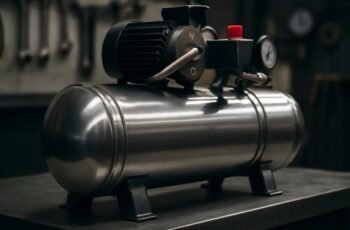
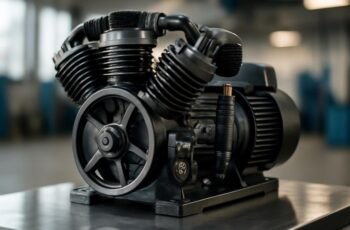
Navigating the landscape of industrial air compressors is akin to charting a complex map, where each feature and cost factor influences your route. We understand that selecting the right compressor involves balancing initial investment against operational expenses, with variables like design type, capacity, and added features complicating decisions. To make an informed choice, it’s essential to grasp how these elements interconnect and impact long-term value—knowledge that can significantly influence your equipment strategy.
Key Takeaways
- Compressor prices vary by size, type, capacity, and included features like dryers or control systems.
- Larger, stationary units generally cost over $100,000, while portable models range from $10,000 to $50,000.
- Long-term costs depend on energy efficiency, maintenance, durability, and warranty coverage.
- Key factors influencing price include motor horsepower, pressure requirements, and design complexity.
- Budget considerations should balance initial costs with ongoing energy and maintenance expenses.
How Much Do Industrial Air Compressors Typically Cost?
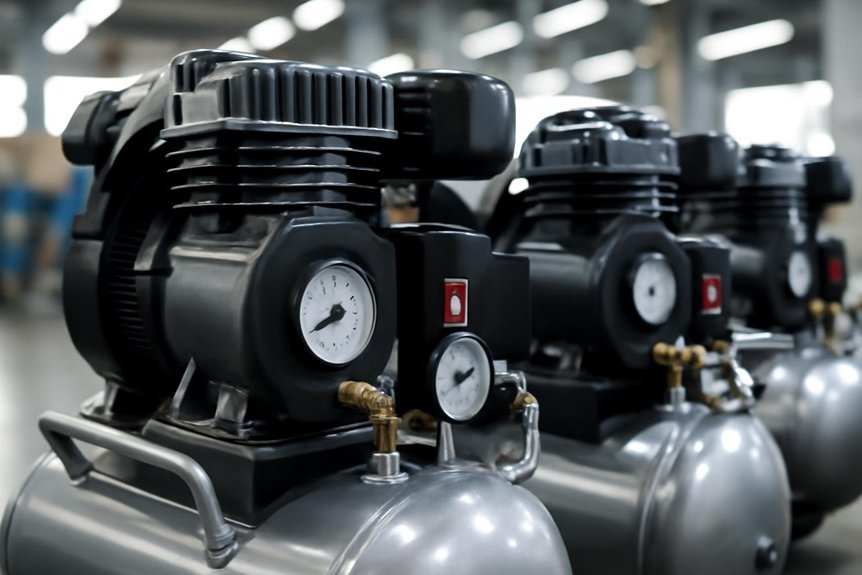
Have you ever wondered how much an industrial air compressor typically costs? The price varies significantly based on capacity, design, and features, but understanding the cost helps optimize industrial efficiency and manage maintenance costs. Smaller, portable units generally range from $10,000 to $50,000, while larger, stationary models can cost upwards of $100,000 or more. Higher upfront investment often correlates with better energy efficiency, reducing ongoing operational costs. Maintenance costs also play a crucial role; more advanced compressors with sophisticated components tend to incur higher maintenance expenses but often offer superior efficiency and durability. Ultimately, selecting a compressor requires balancing initial purchase price against long-term operational and maintenance costs to ensure optimal industrial performance.
What Factors Influence the Price of an Air Compressor?
The price of an air compressor is shaped by multiple technical and operational factors that influence both initial investment and ongoing costs. Key cost factors include compressor capacity, pressure requirements, and motor horsepower, which directly impact purchase price. Additionally, the compressor’s design—such as rotary screw versus reciprocating—affects complexity and cost. Maintenance costs also play a crucial role; systems with advanced components or higher operating hours tend to require more frequent and costly upkeep. Material quality, brand reputation, and included features such as integrated dryers or control systems further influence price. Operational efficiency, energy consumption, and durability are also vital considerations, as they determine long-term affordability. Understanding these factors helps in assessing true cost implications beyond the initial purchase.
How to Determine the Right Air Compressor Size and Features for Your Budget
Determining the appropriate air compressor size and features for your budget requires a careful analysis of your specific operational needs and financial constraints. We focus on cost optimization through feature prioritization, ensuring that each element aligns with your workload demands. Key parameters include flow rate, pressure requirements, and duty cycle, which directly influence capacity and efficiency. To guide decision-making, consider this table:
| Operational Needs | Critical Features | Budget Constraints |
|---|---|---|
| High airflow demand | Tank size, power | Cost-effective models |
| Continuous operation | Reliability, noise | Premium features only if necessary |
| Precision tasks | Control systems | Basic models with essential features |
| Compact footprint | Size, portability | Balancing size and cost |
This approach helps identify essential features that maximize value while maintaining affordability.
Tips for Getting the Best Value When Buying an Air Compressor
Wondering how to maximize value when purchasing an air compressor? Focus on essential factors like factory warranty and noise reduction features. A comprehensive factory warranty ensures long-term reliability and minimizes unexpected repair costs, adding measurable value. Prioritize models with noise reduction technology, which improves operational efficiency and reduces workplace disturbance, leading to better productivity. Compare initial costs against ongoing expenses, such as energy efficiency and maintenance needs, to identify true value. Additionally, consider the compressor’s durability and build quality, which influence longevity. While upfront price is important, a balanced evaluation of warranty coverage, noise mitigation, and operational costs yields the best overall investment. These factors collectively optimize performance and cost-effectiveness over the compressor’s lifespan.
Are There Cost-Effective Alternatives to High-End Industrial Compressors?
Cost-effective alternatives to high-end industrial compressors are increasingly viable options for businesses seeking reliable performance without the premium price tag. These options often leverage alternative power sources and maintenance-free designs to reduce operational costs and complexity. For example, small-scale rotary screw compressors powered by renewable energy sources can deliver consistent air output with lower energy consumption. Additionally, oil-free compressors with maintenance-free designs minimize downtime and service expenses, offering long-term savings. These alternatives are suitable for applications that do not demand the high capacity or durability of premium models but still require dependable performance. By analyzing specific operational needs, companies can select solutions that balance initial investment, energy efficiency, and ongoing maintenance, making cost-effective alternatives a strategic choice for many industrial settings.
Frequently Asked Questions
What Maintenance Costs Should I Expect for Industrial Air Compressors?
We expect maintenance costs to include routine lubrication intervals and potential part replacements, which influence maintenance budgets. Regular inspections and timely servicing help prevent costly repairs, ensuring optimal compressor performance and longevity, ultimately controlling overall operational expenses.
How Long Is the Typical Lifespan of an Industrial Air Compressor?
We find that the typical lifespan of an industrial air compressor ranges from 10 to 20 years, influenced by lifecycle cost and reliability metrics. Proper maintenance enhances longevity, ensuring peak performance and minimizing unexpected downtime.
Are There Government Incentives or Rebates for Purchasing Energy-Efficient Models?
Like a guiding lighthouse, government incentives illuminate energy-efficient models, offering rebates, tax credits, and participation in energy-saving programs. These financial aids help us navigate the costs and benefits of upgrading to greener, more efficient industrial air compressors.
What Safety Considerations Are Involved in Operating Industrial Air Compressors?
We emphasize safety training and strict lockout/tagout procedures when operating industrial air compressors, ensuring proper handling, risk mitigation, and adherence to safety standards to prevent accidents and maintain operational integrity.
How Does Compressor Noise Level Affect Installation Options?
Higher noise levels necessitate noise reduction strategies and vibration isolation measures to ensure proper installation options, especially in sensitive environments. We analyze these factors to optimize setup, minimize disturbance, and comply with safety and regulatory standards effectively.
Conclusion
In maneuvering the complex landscape of industrial air compressors, understanding the factors influencing costs helps us avoid being caught in a pricing storm. By carefully analyzing size, features, and long-term expenses, we can chart a course toward the best value—maximizing performance without sinking into unnecessary costs. Remember, selecting the right compressor is like tuning a fine instrument; precision and knowledge ensure we strike the perfect balance between investment and operational efficiency.