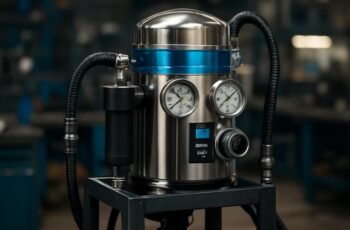
Imagine a large, cylindrical tank steadily holding compressed air, ready to power a variety of tasks with consistent force. The size of that tank directly influences how well your compressor performs and how efficiently it meets your needs. Understanding the differences between small and large tanks isn’t just about capacity; it’s about optimizing safety, pressure stability, and workflow. Let’s explore how selecting the right tank size can impact your tools and workload in practical terms.
Key Takeaways
- Air compressor tanks range from 1 to 120 gallons, suited for different tasks from light portable to heavy industrial use.
- Larger tanks maintain steady pressure and reduce cycling, ideal for continuous, high-demand applications.
- Smaller tanks are portable and respond quickly but may cause frequent pressure drops during heavy use.
- Proper tank size depends on tools, workload, and desired airflow stability to optimize performance.
- Regular maintenance, including inspection and cleaning, ensures safety, longevity, and consistent compressor operation.
What Are Common Air Compressor Tank Sizes and Their Uses
Understanding the common sizes of air compressor tanks is essential for selecting the right equipment for specific applications. Typical tank sizes range from 1 to 120 gallons, with smaller tanks (1-30 gallons) suited for light-duty tasks and portable use, while larger tanks (60-120 gallons) support heavy-duty industrial operations. Proper air compressor maintenance is critical to guarantee safety and maximum performance, especially with larger tanks that hold higher pressure levels. Safety precautions include regular inspection for corrosion, leaks, and pressure relief valve function. Smaller tanks require less rigorous maintenance but still demand adherence to safety protocols. Selecting the appropriate tank size depends on the application’s demands, but understanding these common sizes helps prevent equipment failure and safety hazards.
How Tank Size Affects Air Pressure, Flow, and Performance
The size of an air compressor tank directly influences the system’s air pressure stability, flow rate, and overall performance. Larger tanks help maintain consistent air pressure by buffering pressure fluctuations caused by demand spikes, supporting stable air pressure dynamics. They also enhance flow rate enhancement, providing a steady supply of compressed air during continuous operation. Conversely, smaller tanks tend to cycle more frequently, which can lead to pressure drops and less stable airflow. This variability impacts tool performance and may increase wear on compressor components. Thus, selecting an appropriately sized tank is essential for balancing pressure stability and flow consistency, ensuring ideal system performance. Accurate tank sizing directly correlates with improved air pressure dynamics and efficient flow rate management.
Choosing the Right Tank Size Based on Your Tools and Workload
Selecting the appropriate tank size requires careful consideration of the tools and workload you’ll be handling. Adequate air storage guarantees consistent pressure regulation during operation, preventing pressure drops that can impact tool performance. For intermittent or light-duty tasks, a smaller tank (20-30 gallons) may suffice, providing sufficient airflow with minimal air storage. Heavy-duty applications or continuous use demand larger tanks (60 gallons or more) to maintain stable pressure levels and reduce compressor cycling. Proper sizing minimizes pressure fluctuations and ensures the compressor can meet demand without excessive cycling. By matching tank size to your workload, you optimize pressure regulation, extend equipment lifespan, and improve overall efficiency. Accurate assessment of air storage needs is essential to selecting a tank that supports your specific tools and operational demands.
Pros and Cons of Small, Medium, and Large Air Tanks
Choosing the right tank size involves weighing the specific advantages and limitations associated with small, medium, and large air tanks. Smaller tanks offer quick response times and portability but have limited tank capacity, leading to frequent cycling and potential safety concerns. Medium tanks balance capacity and portability, providing consistent airflow with manageable safety considerations. Large tanks maximize tank capacity, reducing compressor cycling, but require more space and involve higher safety risks due to increased pressure.
| Tank Size | Advantages | Disadvantages |
|---|---|---|
| Small | Fast response, portable | Limited capacity, safety risks |
| Medium | Balanced capacity, safety | Slightly larger, moderate safety |
| Large | Max capacity, fewer cycles | Space-consuming, higher safety |
Tips for Properly Maintaining and Selecting Your Air Compressor Tank
Maintaining and selecting the appropriate air compressor tank requires careful attention to both operational requirements and safety standards. Proper tank insulation helps regulate temperature, preventing condensation and corrosion, which extend tank lifespan and guarantee consistent performance. Regular inspection of safety valves is critical; these devices automatically release pressure if it exceeds safe limits, preventing dangerous over-pressurization. When choosing a tank, consider material quality and insulation to suit your working environment. Routine maintenance includes checking safety valves for proper operation and verifying insulation integrity. Additionally, clean the tank interior periodically to prevent buildup of moisture and debris. Adhering to these practices ensures your air compressor operates reliably, safely, and efficiently over its lifespan.
Frequently Asked Questions
How Do I Determine the Optimal Tank Size for My Specific Project?
We determine the ideal tank size by evaluating your project’s airflow demands, considering tank capacity for continuous use, and ensuring it doesn’t compromise compressor lifespan, which benefits from appropriate storage to prevent excessive cycling and wear.
Can Tank Size Influence the Noise Level of an Air Compressor?
Tank size can influence noise levels, as larger tanks promote noise reduction through sound mitigation, reducing compressor cycling frequency and vibrations. Properly selecting tank size enhances sound control, creating a quieter environment during operation.
What Are the Safety Considerations Related to Different Tank Sizes?
We advise always considering tank material and pressure ratings; for example, a steel tank with proper pressure ratings prevents ruptures. Regular inspections guarantee safety, especially for larger tanks, reducing risks of failure or explosion due to material fatigue.
How Does Tank Size Impact the Energy Efficiency of an Air Compressor?
We find that larger tank sizes improve energy efficiency through increased tank durability and ideal material selection, reducing compressor cycling frequency. This minimizes energy loss, stabilizes pressure, and enhances overall system performance, especially in continuous operation scenarios.
Are There Portable Tank Size Options for Mobile or On-The-Go Use?
Ironically, portable options with smaller tanks are perfect for mobile use, offering lightweight design and ease of transport. These tanks optimize efficiency for on-the-go tasks, balancing capacity and mobility to meet the demands of dynamic work environments.
Conclusion
In the end, selecting the perfect air compressor tank size isn’t rocket science—unless you’re launching a space shuttle, then maybe it is. By understanding your tools’ demands and maintenance needs, we can avoid the chaos of under- or over-sized tanks. So, let’s keep it simple: choose wisely, maintain diligently, and enjoy the seamless power flow. After all, a well-chosen tank is the backbone of any efficient pneumatic setup—no NASA degree required.